The Peace Memorial Museum: lifts, wheelchair loans and facilities
The Hiroshima Peace Memorial Museum is well set up for wheelchair users. The museum lends six wheelchairs from the information desk on the ground floor of the East Building — no charge and no advance booking needed. Lifts serve all floors for anyone who finds stairs difficult, and a multipurpose accessible toilet is on the third floor of the East Building.
Plan to spend two to three hours here. The exhibits are moving and the layout is straightforward, with no step-only areas you are forced through. If the six loaners are all out when you arrive, your guide can ask staff while you begin the ground-floor displays.
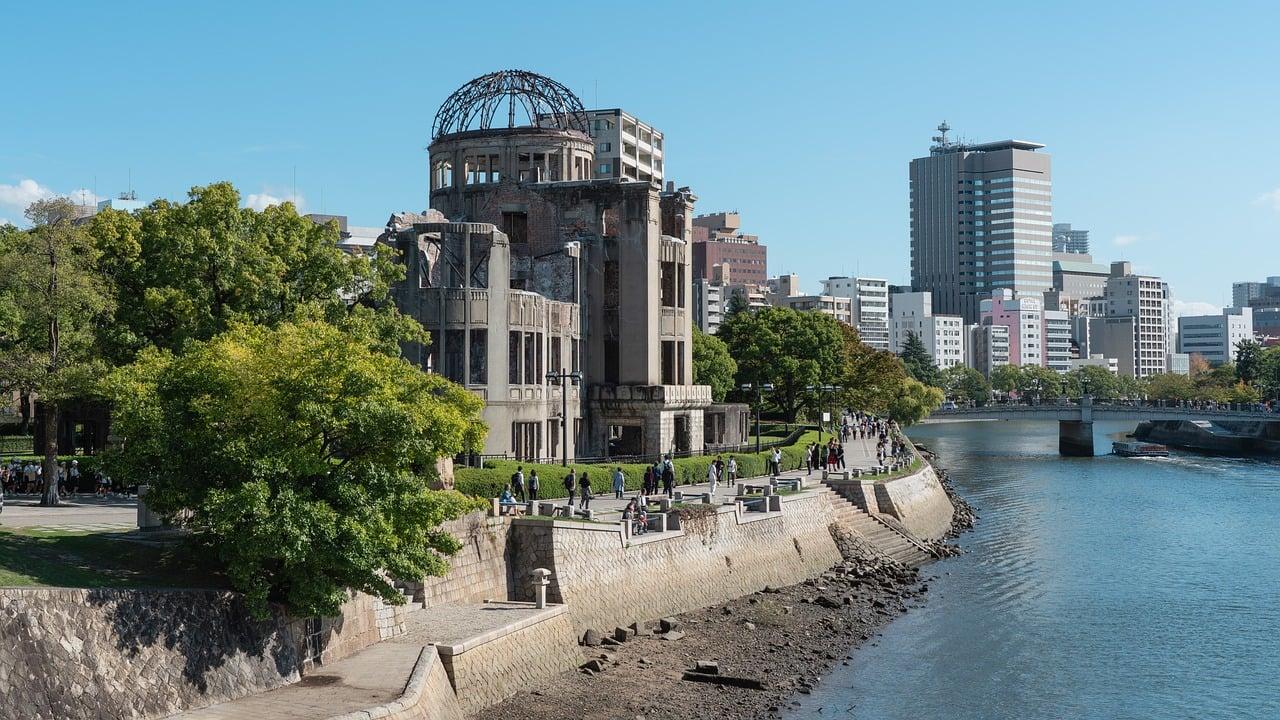
The Peace Memorial Park surrounding the museum is flat and open, well suited to a wheelchair. The Hiroshima City Tourist Information Centre in the park's Rest House also rents wheelchairs for use in the park and around the Atomic Bomb Dome, though these cannot be reserved in advance — it is a first-come, first-served service.
Getting to Miyajima: the ferry you must take
There are two ferry options from Hiroshima to Miyajima, and only one of them works for wheelchair users. The boat from Hiroshima Peace Memorial Park to Miyajima has steps at the dock and is not suitable for wheelchair users. The alternative — and the right route — is the JR ferry from Miyajimaguchi station.
From JR Miyajimaguchi station to the JR ferry terminal there is a step-free route: a slope and a lift lead to an underpass, avoiding the stairways. Station staff assist wheelchair users to board the ferry, and the ferry's first deck has designated wheelchair areas. Keep this route in mind when you plan the day's sequence: travelling from Hiroshima city centre by train to Miyajimaguchi and then taking the JR ferry is straightforward.
If you are travelling with a Japan Rail Pass, the JR ferry is covered. Tell us and we will check the current coverage for your dates.
Miyajima island: what is accessible and where to find a wheelchair
Once you step off the ferry on Miyajima, the information centre at the terminal lends 15 wheelchairs free of charge — a generous provision. If you have brought your own, that is fine too; the main street from the ferry to Itsukushima Shrine is gravel, but ramps link the shrine's different areas.
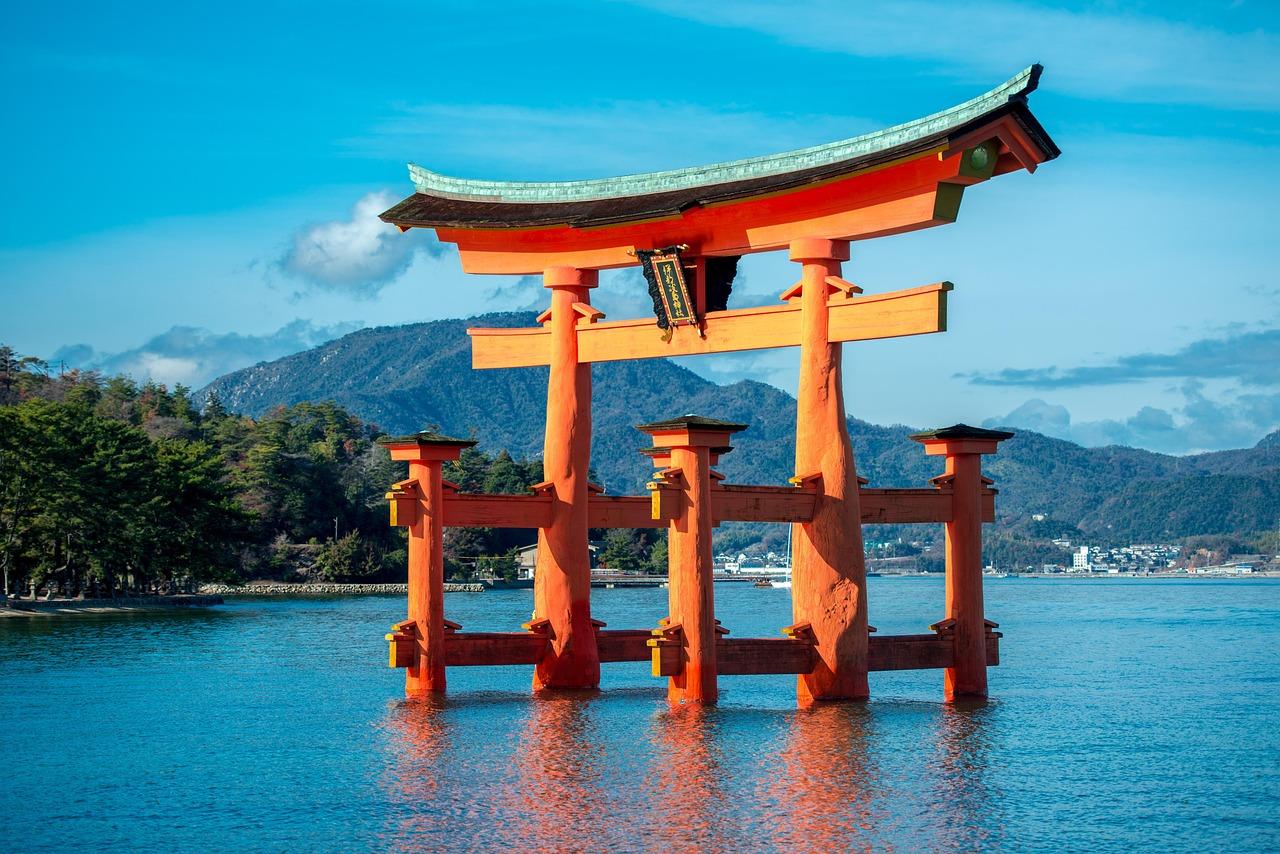
Itsukushima Shrine itself is reachable in a wheelchair, with ramps connecting the sections. The famous torii gate standing in the water — the image most people associate with Miyajima — is visible from the shrine approach and the beach, without needing to climb anywhere.
Be aware that there are stairs near the five-storey pagoda; your guide will route around these. The upper reaches of Mount Misen, which requires a ropeway and then a walk, involve steps and are not part of a wheelchair itinerary. The island's lower area, including the shrine, the gate view and the seafront, is where the day is best spent.
Miyajima is one of Japan's most photographed places, and the lower area delivers everything the island is famous for. For a full day that is not rushed, consider arriving before midday and staying into the afternoon, when the light on the torii gate is at its best.
Hiroshima and Miyajima with limited mobility
If you walk but find steps or long distances difficult, Hiroshima and Miyajima work very well indeed. The Peace Memorial Museum has lifts throughout and no mandatory stair sections. The park is flat. The JR ferry boarding involves a slope rather than stairs, and the ferry itself is seated.
On Miyajima, the gravel street from the ferry to the shrine is firm and manageable with a walking stick; the main shrine areas are connected by ramps. The only areas that ask more of you physically are the upper mountain routes, which are entirely optional.
China's 12306 priority-passenger system (which covers older travellers, not only wheelchair users) is a China-specific resource, but Japan's equivalent is the station staff system: tell staff your destination and they will radio ahead so colleagues are ready to assist you at the other end. Use this on the train to Miyajimaguchi.
For a gentle day, our specialists suggest: museum in the morning with a rest over lunch in the park, then the afternoon ferry to Miyajima for the shrine and the torii gate, returning before the last peak-hour trains. Tell us your pace and we will build the day around it. See more at Accessible holidays to Asia.
Practical details: timing, booking and what to ask in advance
Hiroshima is on the main Tokaido–Sanyo Shinkansen corridor, so getting there from Tokyo, Kyoto or Osaka by bullet train is direct and efficient. Wheelchair spaces on these Shinkansen trains can be booked through Smart EX, with sales opening at 10:00 one month before your travel date. JR West station staff can escort you to the platform and lay a boarding plate across the gap; arrange this with the station in advance.
If you use an electric wheelchair, check the size limit: JR West accepts wheelchairs up to 120 cm long or high and 70 cm wide. Allow plenty of time at busy stations — JR West asks wheelchair users to do this, as boarding may need to wait if trains are crowded.
The Peace Memorial Museum is closed on certain dates; check before your visit. Miyajima is busy year-round, but especially at weekends and during cherry blossom and autumn-colour seasons. Early morning arrivals on the island are calmer.
Tell us your needs early and we will check every detail for your dates — ferry times, wheelchair loans, Shinkansen spaces and anything else that matters. Tell us your dates and we will price it for you.
Which Japan tours include Hiroshima
Hiroshima features in several of our Japan itineraries. The Japan Classic 14-day route moves through Japan's most significant places at a measured pace, while the Japan Grand Tour 18-day gives more time in each city and suits those who prefer not to rush. The Japan Highlights 9-day focuses on the essential stops for those with less time.
Every itinerary is private and tailor-made. If you need extra time in Hiroshima, a different hotel, or a day arranged around your mobility needs, we plan each route around you. For step-free guidance across the whole Japan trip, the Is Japan suitable for the over-70s? guide covers pacing, trains and cities in full.
Facts checked by our Japan team on 19 November 2026.
