Accessible Holidays to Asia

Accessible Japan

Himeji Castle with limited mobility: an honest guide

Himeji Castle is one of the finest sights in Japan: a white, tiered keep rising above its stone walls. If you use a wheelchair or find steep stairs difficult, the honest answer is that the outer grounds and the approach are very enjoyable, the paths inside the ticket gate get much harder, and the keep itself is a climb.

That is not a reason to skip Himeji. The view of the keep from the outer grounds is spectacular in itself. What matters is knowing what to expect before you go, so the day feels like a success rather than a disappointment.

The short answer

Himeji Castle with limited mobility works up to a point. The outer grounds are flat and smooth as far as the ticket gate, but beyond it some paths become much steeper and uneven, and the six-storey keep is climbed by steep, narrow staircases. With two or three experienced carers, wheelchair users can reach the Bizenmaru courtyard near the keep, but not enter the buildings.

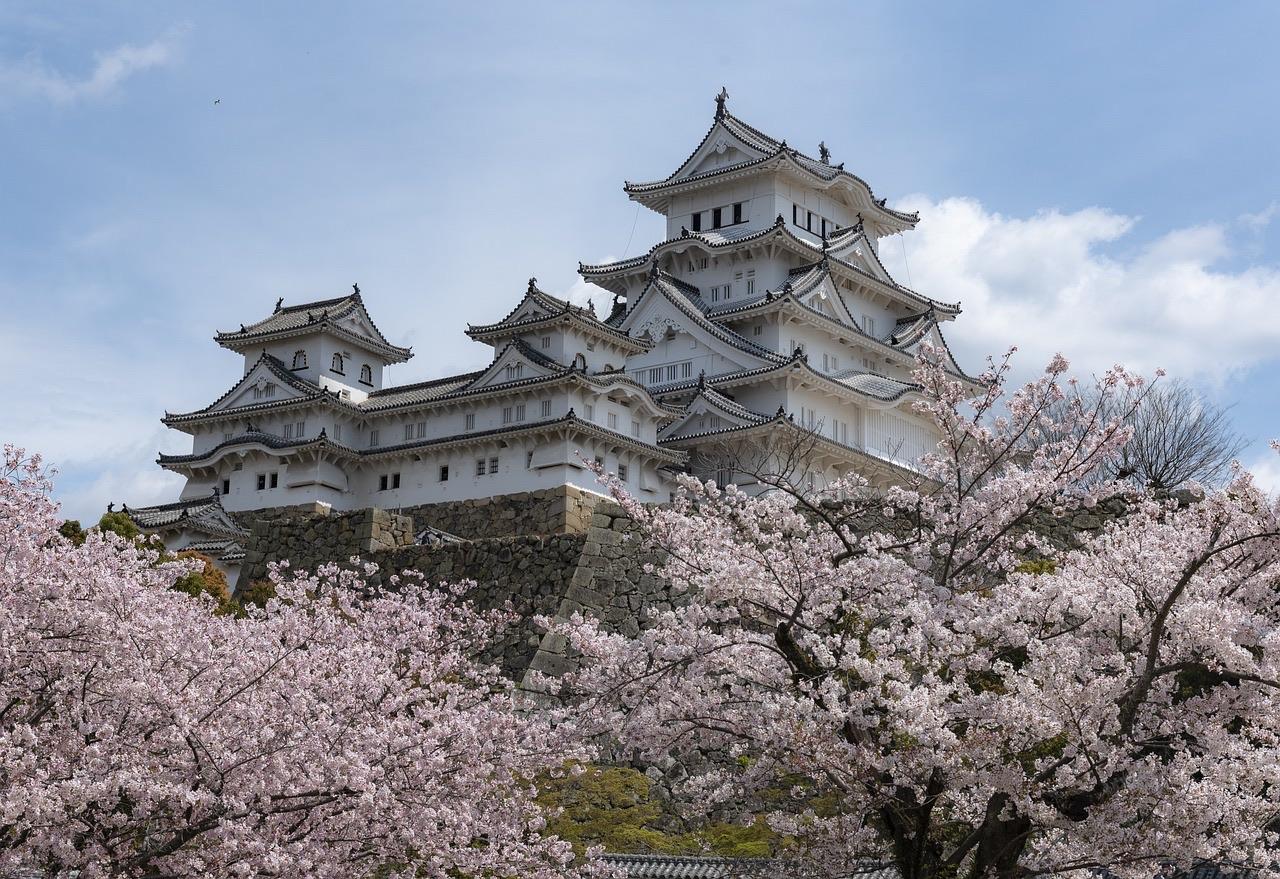
Himeji Castle's white keep above cherry blossom
Himeji Castle's keep, seen from the outer grounds — the finest view available on a gentle-pace visit

Written & verified by

Anna Louise · Japan Travel Specialist

Getting to Himeji Castle
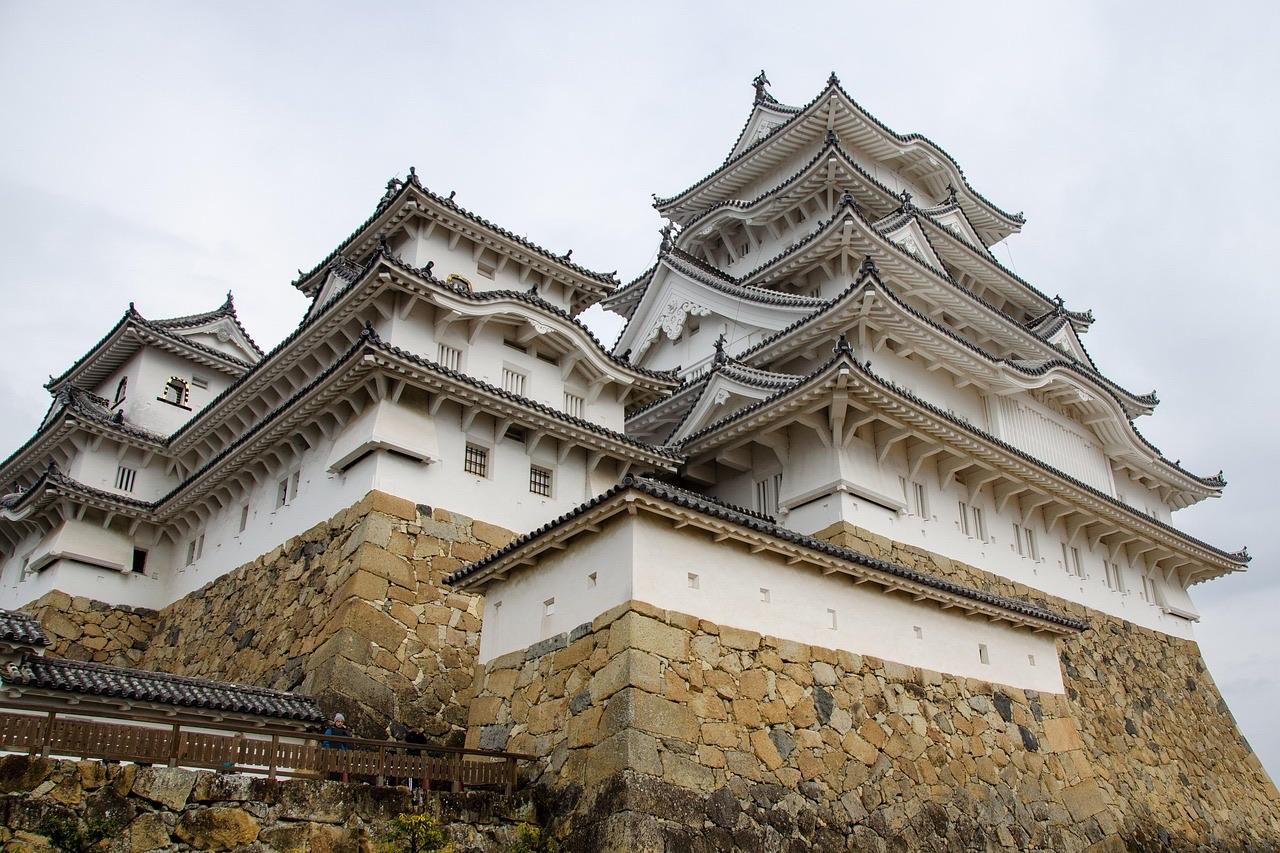
The tiered white keep of Himeji Castle on its stone walls
The keep and its stone walls, seen from the approach path

Himeji Castle is about one kilometre from Himeji Station's north exit — a 15 to 20 minute walk, or about five minutes by bus or taxi. Himeji Station has lifts and accessible toilets. The buses between the station and the Kokoen garden area beside the castle are wheelchair accessible, making the approach manageable without a long walk.

The outer grounds up to the main ticket gate are on flat, smooth paths, so this section of the visit works well for anyone with limited mobility. Take your time on the approach road: the view of the keep growing larger as you walk towards it is one of the great sights of Japan.

Inside the ticket gate: what becomes harder

Beyond the ticket gate, the character of the paths changes. Some become much steeper and uneven, with ridged surfaces, and both manual and powered wheelchair users often need help. The castle itself does not supply care staff.

In principle, pushchairs and wheeled walking aids for older visitors may not be used inside the castle. Because the castle has so many stairs, steep paths and steps, staff may refuse entry to anyone who seems unwell.

If you use a wheelchair, the castle says that with two or three experienced carers you can reach Bizenmaru, the courtyard near the main keep, but you cannot take a wheelchair into any of the buildings. Plan for that level of assistance if you want to reach the inner courtyard.

There is no wheelchair-accessible toilet inside the paid area. The castle directs visitors to the toilets on the west side of Sannomaru Square, outside the ticket entrance, before you go in.

The main keep: steep staircases throughout

The main keep is a six-storey wooden building, and you climb it by a series of steep, narrow staircases that get tighter towards the top. The stairs have handrails, which helps, but for anyone with bad knees, a bad back or serious mobility difficulties the keep is very hard going.

Allow about 1.5 to 2 hours for the castle. In the busy season you may queue for around an hour to enter the main keep, which has no reservation system. Waits are longest during the cherry blossom season (usually early April), Golden Week and the summer holidays, when numbered tickets may be used to limit entry. If you are not climbing the keep, you skip that queue altogether.

Admission and practical details

A visitor with a disability and one carer get in free on showing a disability certificate. For a wheelchair user, up to three carers get in free, which fits the help the castle says is needed beyond the gate.

For anyone with limited mobility, a taxi or the wheelchair-accessible bus from the station saves energy for the visit itself.

For more on travelling in Japan with a wheelchair or limited mobility, see our accessible Japan holidays page and our Japan over-70s accessibility and pacing guide.

Himeji Castle with limited mobility: the honest summary

The outer grounds to the ticket gate are flat and work well. Beyond the gate, some paths get much steeper and uneven, and wheelchair users need experienced carers. The keep is climbed by steep, narrow staircases: plan on admiring it from outside unless you are comfortable on stairs.

The view of the castle from the outer grounds is extraordinary, and the approach alone is worth the journey. If you can, avoid the cherry blossom season, Golden Week and the summer holidays, when the queues are longest.

Himeji Castle is on our Japan Cherry Blossom holiday.

Tell us your needs and we will check the details for your dates.

Facts checked by our Japan team on 22 November 2026.

Frequently asked questions

Can I visit Himeji Castle with limited mobility?

Partly. The outer grounds up to the ticket gate are flat and smooth, and the view of the keep from there is spectacular. Beyond the gate, some paths become much steeper and uneven. Wheelchair users can reach the Bizenmaru courtyard near the keep with two or three experienced carers, but cannot take a wheelchair into any of the buildings.

How hard is it to climb Himeji Castle keep?

Hard for anyone with bad knees or limited mobility. The keep is a six-storey wooden building climbed by steep, narrow staircases that get tighter towards the top. The stairs have handrails.

Can a wheelchair user visit Himeji Castle alone?

No. The castle says a wheelchair user cannot visit alone because of the many steep slopes. With two or three experienced carers you can reach Bizenmaru, the courtyard near the main keep, but not the buildings, and the castle does not supply care staff. There is no wheelchair-accessible toilet inside the paid area: use the toilets on the west side of Sannomaru Square before you go in.

How do I get to Himeji Castle from the station?

Himeji Station has lifts and accessible toilets. The castle is about 1 kilometre from the north exit: 15 to 20 minutes on foot, or about five minutes by bus or taxi. The buses between the station and the Kokoen garden area next to the castle are wheelchair accessible.

When is the best time to visit Himeji Castle to avoid crowds?

Waits to enter the keep are longest during the cherry blossom season (usually early April), Golden Week and the summer holidays, when you may queue for around an hour and numbered tickets may be used to limit entry. Outside those times it is calmer.

Is there a discount on Himeji Castle admission for disabled visitors?

Yes. A visitor with a disability and one carer get in free on showing a disability certificate. For a wheelchair user, up to three carers get in free.

Start your accessible holiday

Tell us your dates and any access needs

No obligation and no pressure. Share as much or as little as you like about how you travel — we will come back with honest, specific answers and a plan shaped around you.

Fields marked * are required. We will never share your details with third parties for marketing purposes.

Ready when you are

Related holidays

Ready to start planning?

Tell us what you have in mind and we will send a sample itinerary and a full quote — no obligation. Plan now, travel in 2027.

Himeji Castle with limited mobility: an honest guide | Holidays to Asia