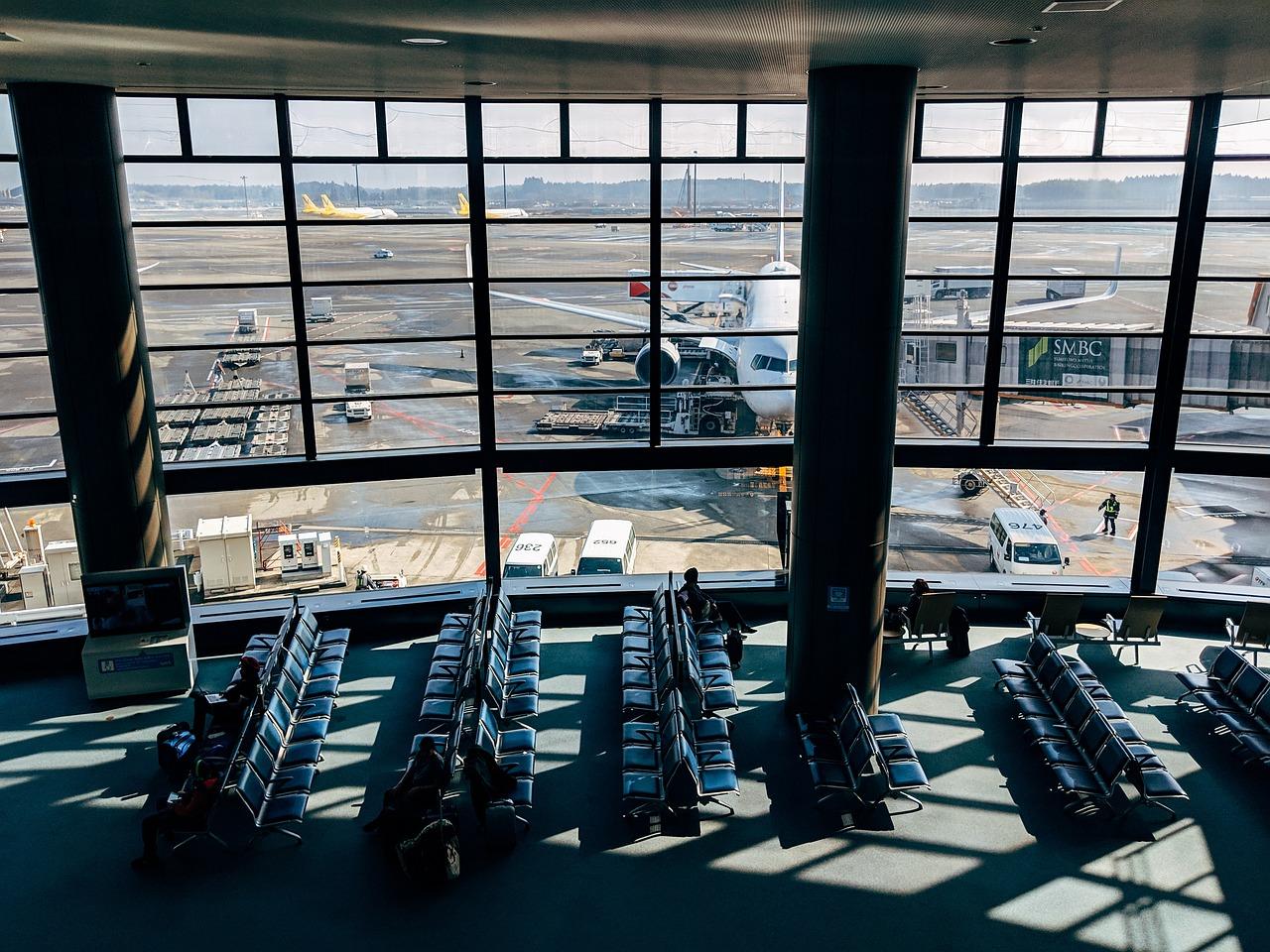
Requesting assistance before you fly
The key step is to contact your airline at least 48 hours before departure — both for the outbound leg from the UK and for your return from Japan. This applies at all UK airports and at all Japanese airports. If you can walk but cannot stand for a long time or cover long distances, you are still entitled to assistance: Gatwick's own published criteria, for example, include travellers who 'cannot stand for a long time or walk long distances', and the Civil Aviation Authority confirms the same standard applies across UK airports.
Ask for PRM (Passenger with Reduced Mobility) assistance when you book your flight, or call the airline's accessibility team once you have your ticket. The assistance is free and covers being met at check-in or the terminal entrance, pushed in a wheelchair to the gate, helped through security (you stay in your chair), and assisted on and off the aircraft. You do not need a medical certificate for most airlines — just a clear description of what you need.
Put a reminder in your diary for a few days before you fly, so the 48-hour deadline never catches you out.
Narita Airport: wheelchair loans on arrival
Narita International Airport lends wheelchairs free of charge at any information counter in its passenger terminals. Passengers arriving in Japan can borrow a wheelchair once they have cleared passport control and customs — there is no need to have arranged one in advance. If you are collecting luggage and face a long walk to the exit, ask at the first information counter you see after the immigration hall.
Narita is a large airport with two main terminals (Terminal 1 and Terminal 2) and a smaller Terminal 3. Moving between Terminal 1 and the other terminals means a free shuttle bus, so if you have a connection at Narita, allow plenty of time and ask the assistance team at your gate to arrange a transfer.
For the journey into Tokyo from Narita, the Narita Express (N'EX) is the most direct rail route. If you need wheelchair assistance on the Narita Express, ask the JR desk in the arrivals hall. Our guide to Japan's bullet trains with a wheelchair covers the booking process for onward rail travel.
Haneda Airport: wheelchairs to your seat
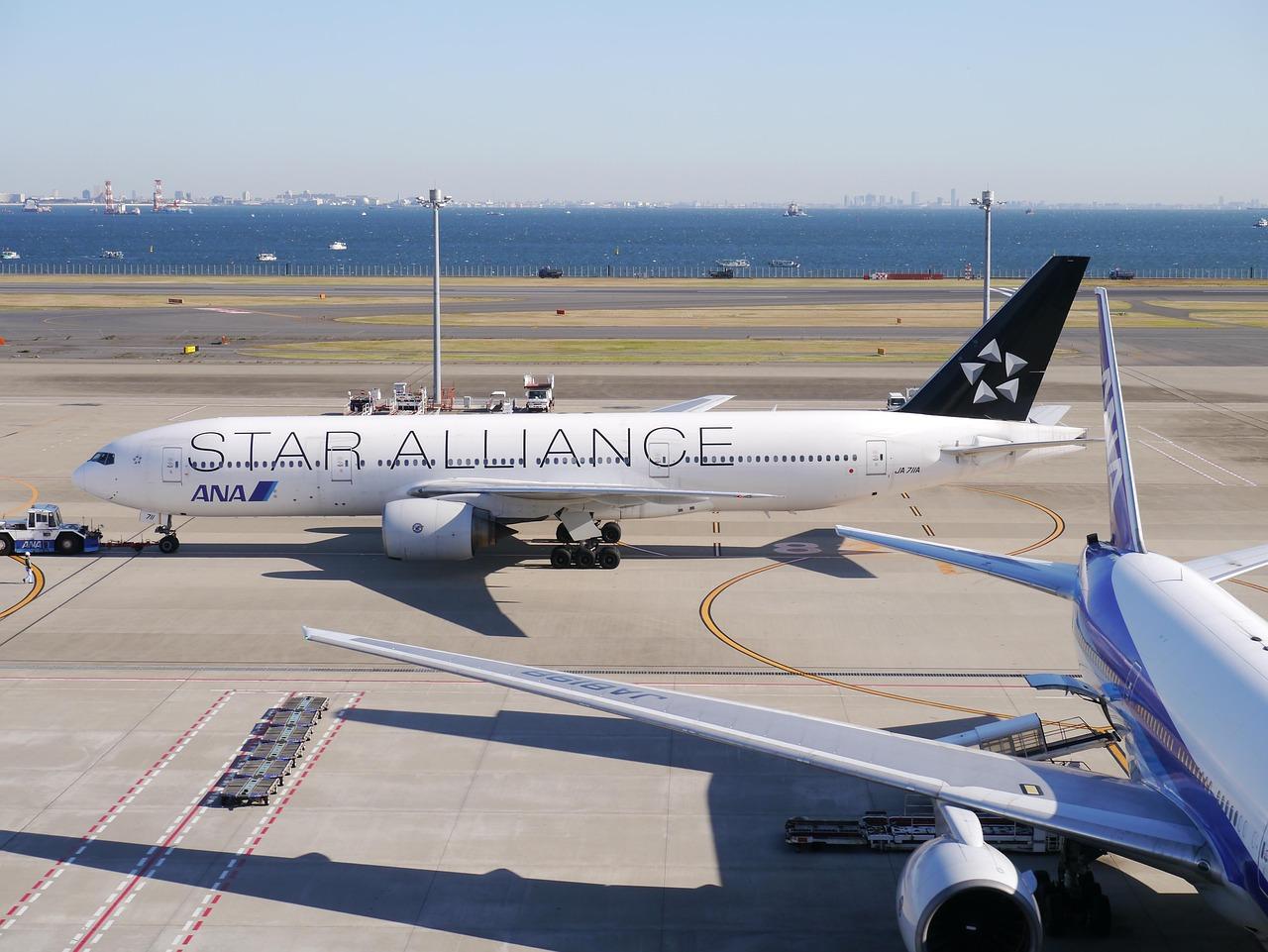
Haneda Airport's information counters rent wheelchairs that can be used all the way to your aircraft seat, and staff can bring a wheelchair to a chosen point in the terminal if you ask. Haneda is closer to central Tokyo than Narita (roughly 30 to 40 minutes by rail or monorail) and many travellers find it the more convenient arrival point.
As at Narita, the assistance is free and can be arranged either in advance through your airline or on arrival at the information counter. If you are flying into Haneda on a connecting flight from another Japanese city, let the airline ground staff know when you board so that assistance is waiting when you land.
Haneda has three terminals: Terminal 1 (mainly JAL domestic flights), Terminal 2 (mainly ANA domestic flights) and Terminal 3 (international). The monorail and Keikyu rail lines both serve Terminal 3.
Kansai International Airport: assistance for Terminal 1 flights
Since August 2024, Kansai Airports has run a wheelchair assistance service for flights using Terminal 1 at Kansai International Airport. The service is requested through your airline or its ground handler — it is not something you arrange directly with the airport. Tell your airline you need wheelchair assistance at Kansai when you book or at least 48 hours before you fly.
Kansai airport sits on an artificial island in Osaka Bay, connected to the mainland by a road and rail bridge. The airport is large, with long corridors between the check-in area and the gates. For travellers who can walk short distances but not long ones, requesting a wheelchair for the terminal is well worth it even if you do not normally use one.
Kansai is the most convenient arrival airport for Kyoto (about 75 minutes by the Haruka Express) and Osaka (about 50 minutes). Our guide to Kyoto in a wheelchair covers getting around once you arrive.
Japan airport assistance with limited mobility
Airport assistance is designed exactly for travellers who can walk but not far — not only for people who use a wheelchair full-time. If long corridors, standing in queues or climbing aircraft steps is a concern, request assistance without hesitation. The service is free, and using it means you arrive at your hotel with energy to spare rather than exhausted from the terminal.
Two practical points. First, Japan's airports are efficient but busy; allow extra time at both ends of your journey, especially at Narita, which has the longest internal distances. Second, if you are travelling with a manual wheelchair, check with your airline that it will be gate-checked (returned to you at the aircraft door) rather than sent to the hold — this is usually possible but needs to be arranged in advance.
For travel insurance, declare all conditions when you buy your policy. If you are refused cover, the MoneyHelper directory lists specialist insurers. See our accessible holidays in Japan page for how we approach planning a trip around your needs.
Tell us your dates and we will price it for you.
Facts checked by our Japan team on 19 November 2026.
