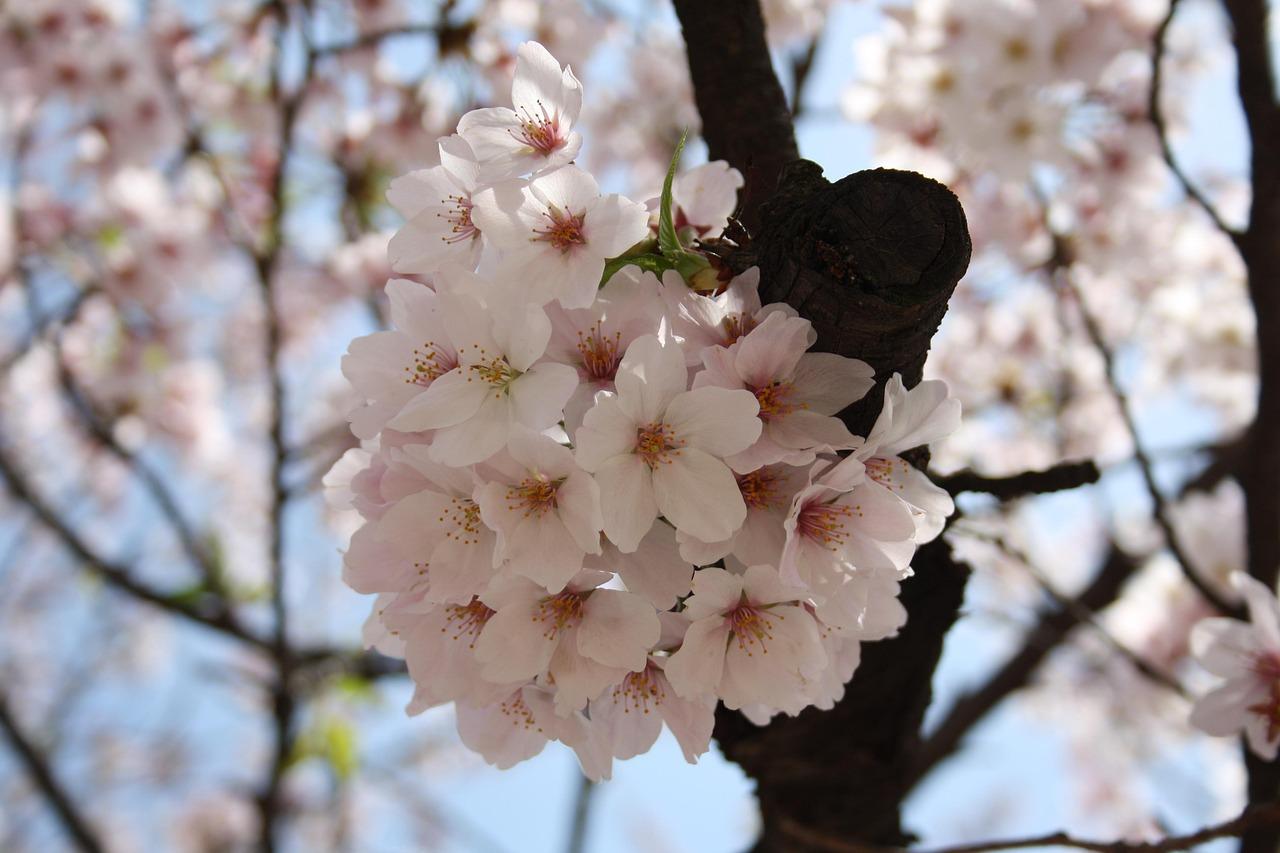
The most accessible cherry blossom spots
Tokyo's big parks, such as Ueno, Shinjuku Gyoen and Yoyogi, are popular blossom spots and large enough to walk only as far as feels comfortable. Check the park's own map for paved routes, toilets and seating before you go.
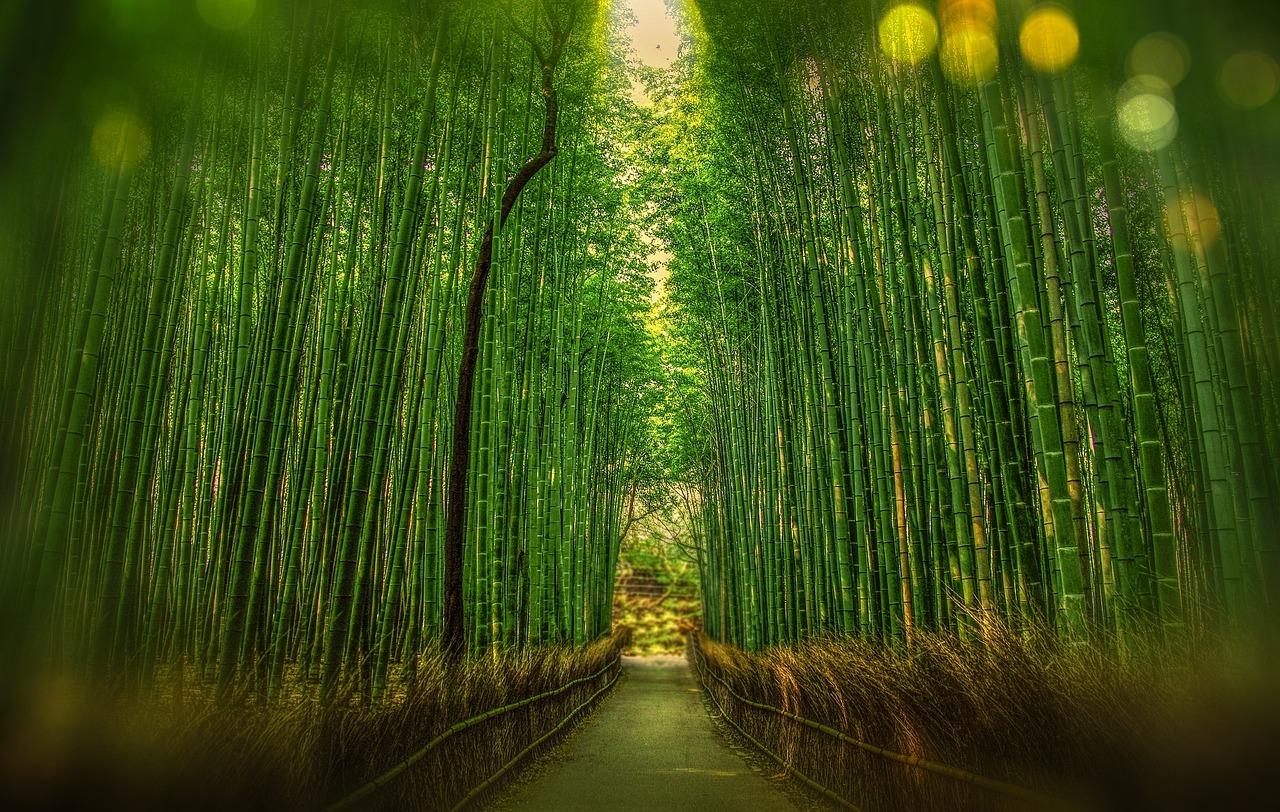
In Kyoto, Arashiyama is a popular spring area, and its bamboo grove path is described in the City of Kyoto's universal tourism route as a long, gently sloping lane. The Japan Cherry Blossom 12-day itinerary takes in both Tokyo and Kyoto at the right time of year.
Nara Park is another spring favourite. At Todai-ji, wheelchair users enter the Great Buddha Hall by a slope to the left of the front entrance, and wheelchairs can be borrowed from the security office near the central gate. The Japan Classic 14-day includes Nara.
Timing: avoiding the biggest crowds
Cherry blossom season is one of Japan's busiest times of year. Popular viewing spots become very crowded, particularly at weekends. Early mornings and weekdays are noticeably calmer — the same path that is packed at midday on a Saturday is often tranquil at 8am on a Tuesday.
Full bloom is short, and its date moves each year with the weather. Our specialists advise building some flexibility into your dates rather than fixing on a single day, so that if the blossom peaks slightly earlier or later than forecast, you are still there to see it.
If crowds are a particular concern for you — because you use a wheelchair, a walker or simply find busy paths tiring — plan your days around the quieter hours: early mornings, and weekdays rather than weekends.
Getting around during blossom season
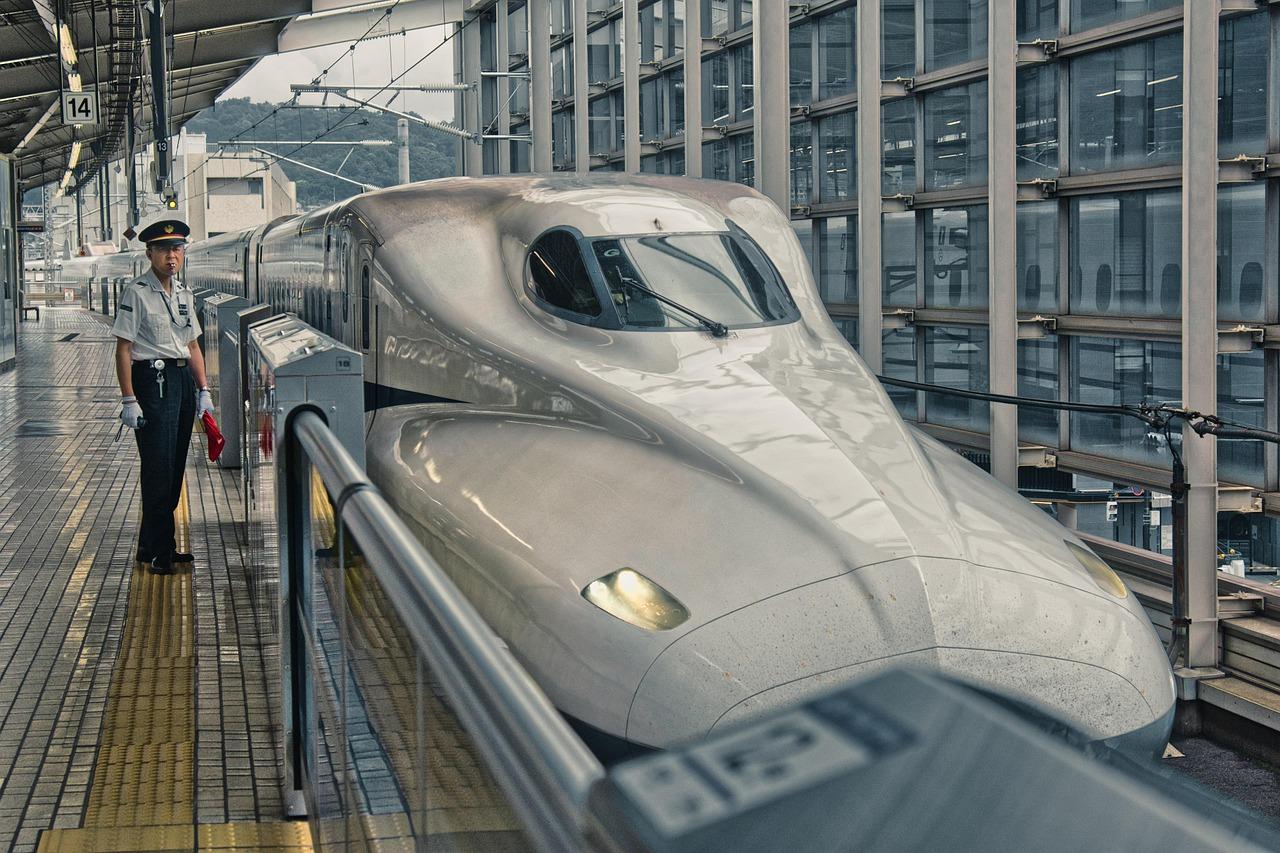
Japan's train network works well for travellers with limited mobility. Every Tokyo subway station has a lift route to the platform, though the lift can be a walk from your exit, so it is worth checking the station map beforehand. Osaka Metro says all 133 of its Metro and New Tram stations have at least one lift route from street to platform. Every Kyoto City Subway station has lifts.
During cherry blossom season, trains on popular routes — especially from Tokyo towards Kyoto and Hiroshima — can be very busy, and station lifts may take longer to reach with a crowd. Our specialists advise allowing extra time at stations and, where possible, travelling outside the morning rush (roughly 07:30 to 09:30) and evening peak (17:00 to 19:30).
For those who prefer not to manage the train network during peak season, a private vehicle between sights is a straightforward alternative. Universal Design taxis in Tokyo have ramps, handrails and higher roofs, and charge the same fares as ordinary taxis. Book ahead and allow an extra ten to fifteen minutes for the ramp to be set up. See our guide to accessible taxis in Japan for booking details.
Japan cherry blossom with limited mobility: a practical plan
A practical approach for travellers with limited mobility during blossom season: pick two or three viewing spots per city rather than trying to cover everything. One main sight in the morning, rest over lunch, one more in the afternoon — this pace lets you see the blossom properly without exhausting yourself.
Public benches are uncommon in Tokyo, so cafés and convenience stores are the usual places to sit and rest between sights. Plan your route around them. In parks, look for areas with permanent seating away from the main paths, which tend to be quieter.
Luggage forwarding is worth using between cities. Japan's takkyubin service sends bags between hotels next-day for a small fee, so you travel on the Shinkansen with only a small bag. This makes the platform walk and the busy concourses of blossom-season stations much easier. Keep your medication and a change of clothes with you.
For a fuller picture of how Japan works at a gentle pace, see our Japan over-70s accessibility guide. For wheelchair users, Kyoto in a wheelchair covers the specific routes at Kyoto's temples and gardens. Tell us your needs and we will check the details for your dates.
Facts checked by our Japan team on 20 November 2026.
