Getting around: trains, luggage and not overdoing it
One of the best things you can do for your knees in Japan is send your suitcase ahead. Yamato's takkyubin luggage-forwarding service lets you hand your bag to the hotel front desk in the morning; it arrives at your next hotel the following day, usually by evening. You travel on the Shinkansen with only a small day bag — no dragging a case up station ramps or through crowded carriages.
On the bullet train itself, wheelchair-accessible spaces can be reserved in advance and station staff assist with boarding. For travellers with bad knees who do not use a wheelchair, the trains are spacious, with aisle seats available; our specialists advise choosing an aisle seat so you can stand and stretch without disturbing anyone.
At big stations, priority-passenger help is available. Japan's 12306-equivalent systems and JR staff will assist older travellers, not only wheelchair users. Arrive with time to spare: stations are large and lifts can be a walk from the main concourse.
Our guide to the Japan bullet train with a wheelchair has the full detail on booking, boarding and what to expect on the platform.
Temples and shrines: honest advice on steps
Many of Japan's most famous temples involve steps, some of them steep. The good news is that most have a gentler route if you know where to look.
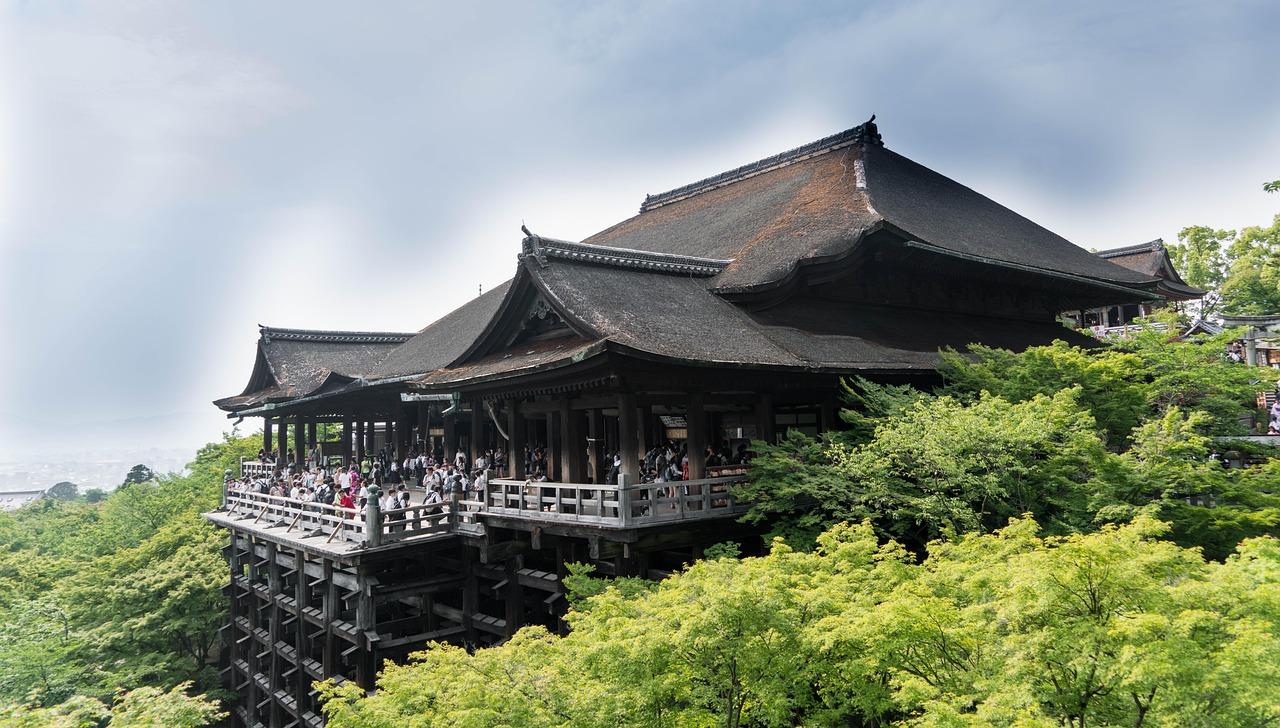
At Kiyomizu-dera in Kyoto, reaching the temple from the bus stop means at least a ten-minute walk up a fairly steep hill; a taxi can drop you at the top, which saves the worst of the climb. Once there, the temple itself has a step-free route to the Main Hall running along the left of the normal path, with wheelchair-accessible toilets around the grounds.
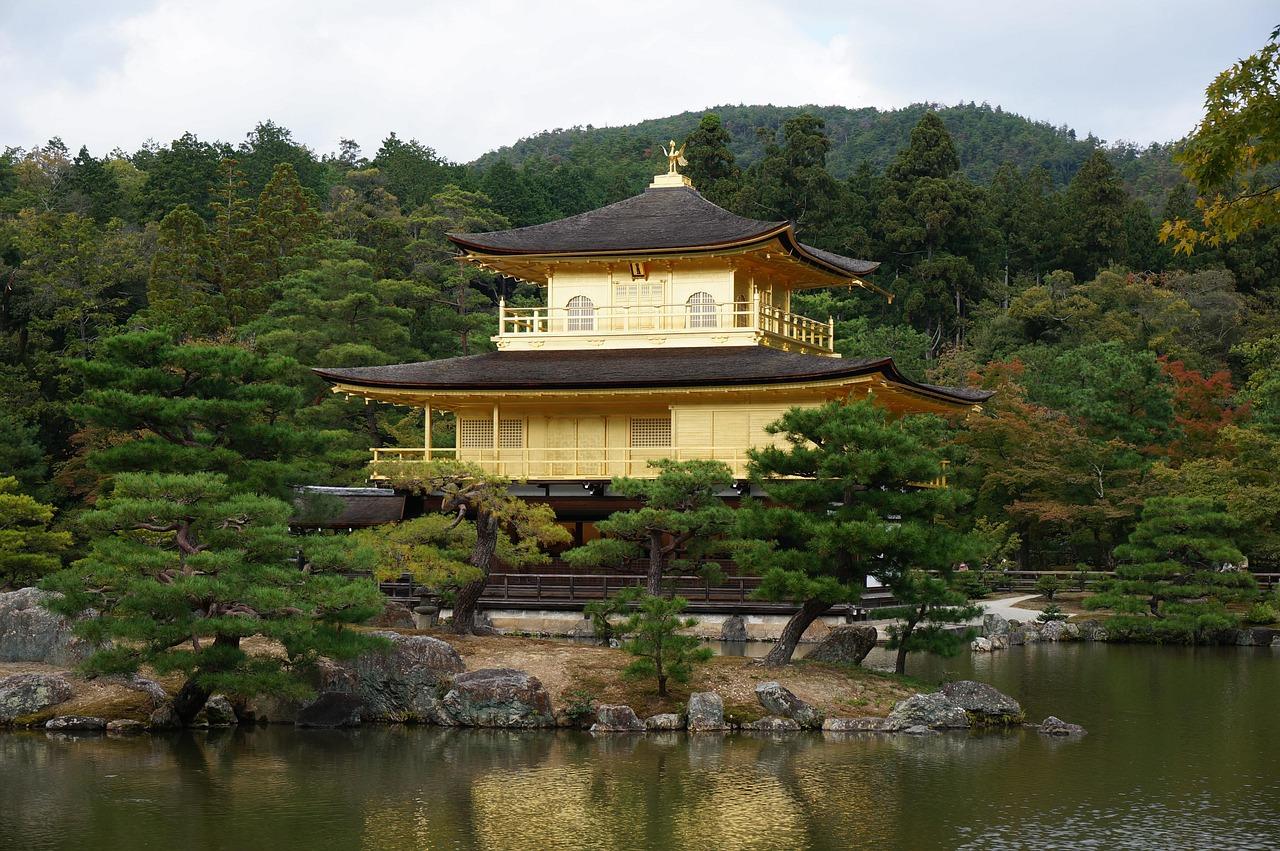
At Kinkaku-ji (the Golden Pavilion), the path to the pavilion is firm gravel over solid ground with only a gentle slope, and wheelchair users and those with bad knees can view the pavilion and the rear garden. Steps block much of the garden beyond the main view.
In Nara, Todai-ji's Great Buddha Hall is entered by a slope to the left of the front entrance. Wheelchairs can be borrowed from the security office in front of the central gate if you need one.
At Tokyo's Senso-ji, the main hall has both a lift and a ramp. The approach street is narrow and crowded at weekends — a weekday morning is kinder on the knees and the nerves.
For the full picture on Kyoto's sights and how the city's buses and subway work, see our guide to Kyoto in a wheelchair, which covers gentle-pace options too.
Floor seating, ryokan and traditional meals
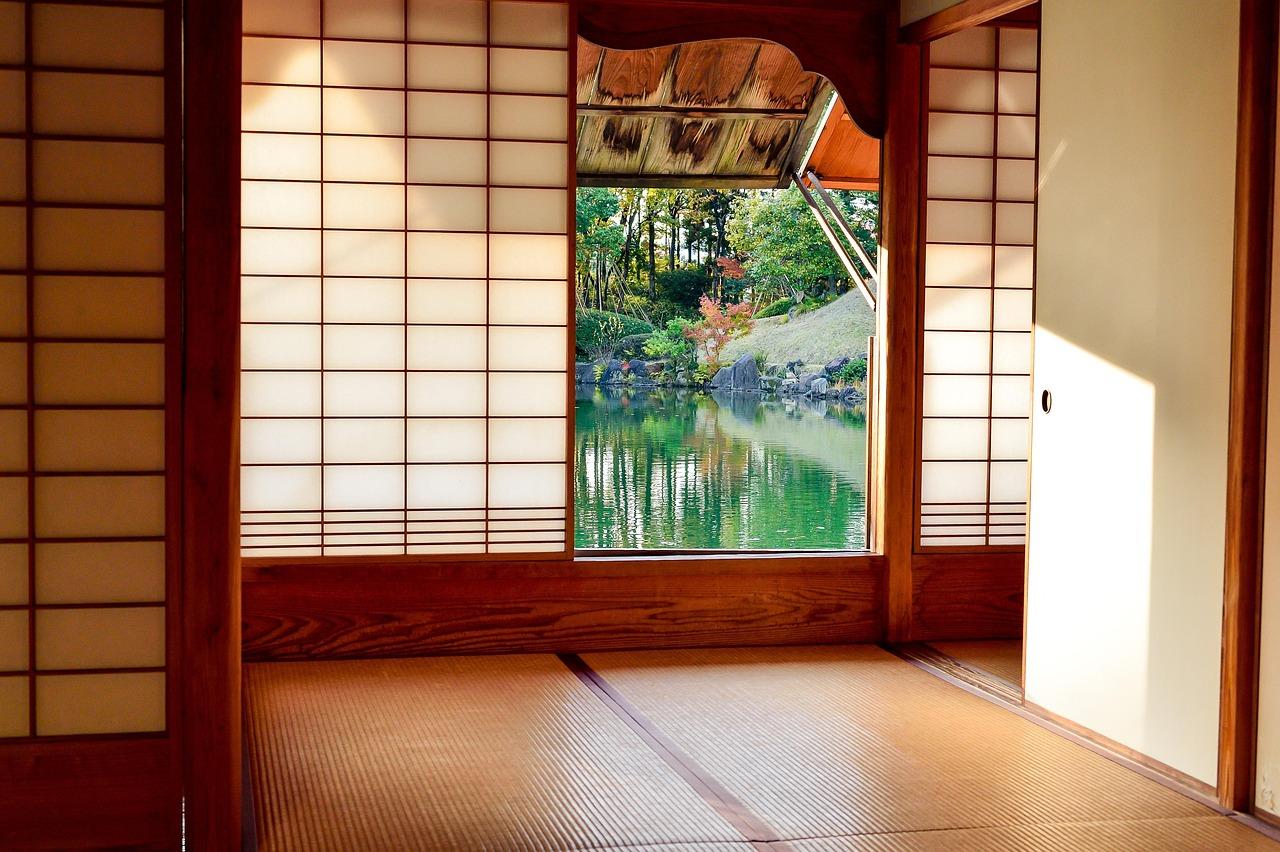
Traditional Japanese meals are often served at floor level on cushions or low chairs, which is genuinely hard on bad knees. This is the one area that needs an advance conversation, not just an assumption.
Many restaurants have table-and-chair rooms alongside the traditional floor seating. Some have a horigotatsu — a sunken floor table where your legs hang down rather than folding beneath you, which is much more comfortable. Ask at the front desk before you sit down.
At traditional inns (ryokan), more properties now offer rooms with Western beds, including Japanese-style rooms that have been adapted. The Japan Tourism Agency advises telling the ryokan your needs beforehand; some can supply Western tables and chairs for your meals. Some ryokan have been renovated to include lifts, handrails and ramps, but standards vary — tell us what you need and we will check the specific property for your dates.
For hot springs, many onsen offer private baths called kashikiri that you can reserve for your own group, in advance or at the front desk. These almost always cost a little extra but allow you to take your time without the pressure of a communal space.
Our video on floor seating with bad knees covers exactly what to ask for and how to get it in writing before you book.
The Arashiyama bamboo grove and other gentle walks
Not every sight in Japan is steps and steep hills. The bamboo grove at Arashiyama in Kyoto is described by the City of Kyoto's universal tourism route as a long, gently sloping lane — one of the loveliest easy walks in the country.
At Fushimi Inari, the lower shrine has fairly steep ramps beside its stairs, and a lift behind the main shrine reaches the start of the famous torii tunnel during limited daytime hours. The walk to the summit of Mount Inari takes two to three hours; you can turn back at any point, and the halfway point is around 30 to 45 minutes up. Many people with bad knees do the lower section and find it perfectly satisfying.
In Hakone, the ropeway and Lake Ashi sightseeing ships are both accessible and involve no walking to speak of. Our Hakone with limited mobility guide covers those options in detail.
Tell us your dates and we will price it for you, planning a route around what your knees can comfortably do.
Japan with limited mobility: the honest summary
Japan rewards travellers with bad knees who plan ahead. The key practical steps: send luggage ahead by takkyubin so you carry nothing heavy through stations; take taxis to the top of steep temple approaches rather than walking up; look for the step-free or gentler route at each sight — it almost always exists; ask for a room with beds and a table-and-chair dinner at any ryokan you book.
Western-style toilets are found in hotels (even most three-star), airports, high-speed rail stations and accessible cubicles throughout Japan, so that particular worry can be set aside.
Where Japan is harder on bad knees: some older temple districts have uneven stone paths; crowded weekends at popular sights mean more time on your feet; and a traditional ryokan without advance planning may default to floor seating and low futons. None of these is unavoidable. For more on planning an accessible or gentle-pace Japan trip, visit our accessible holidays page.
Video
Short videos to watch
Facts checked by our Japan team on 19 November 2026.
