Getting to Kinkaku-ji
Kinkaku-ji is in the north-west of Kyoto, and most visitors arrive by bus or taxi. Kyoto's newest city buses are low-floor models designed for wheelchair access, but the City of Kyoto notes some routes still run high-floor buses, so check which bus serves your route before you set off.
If you use a wheelchair or find bus steps hard, a Universal Design taxi is the simplest option: it has a ramp, handrails and a higher roof. Allow an extra 10 to 15 minutes for the ramp to be set up.
For more on getting around the city, see our guides to Kyoto in a wheelchair and accessible taxis in Japan.
The path around the pond
A gently sloping road leads into the temple, and the path to the pavilion is gravel over firm ground, so a manual wheelchair or walking stick copes better here than on loose gravel.
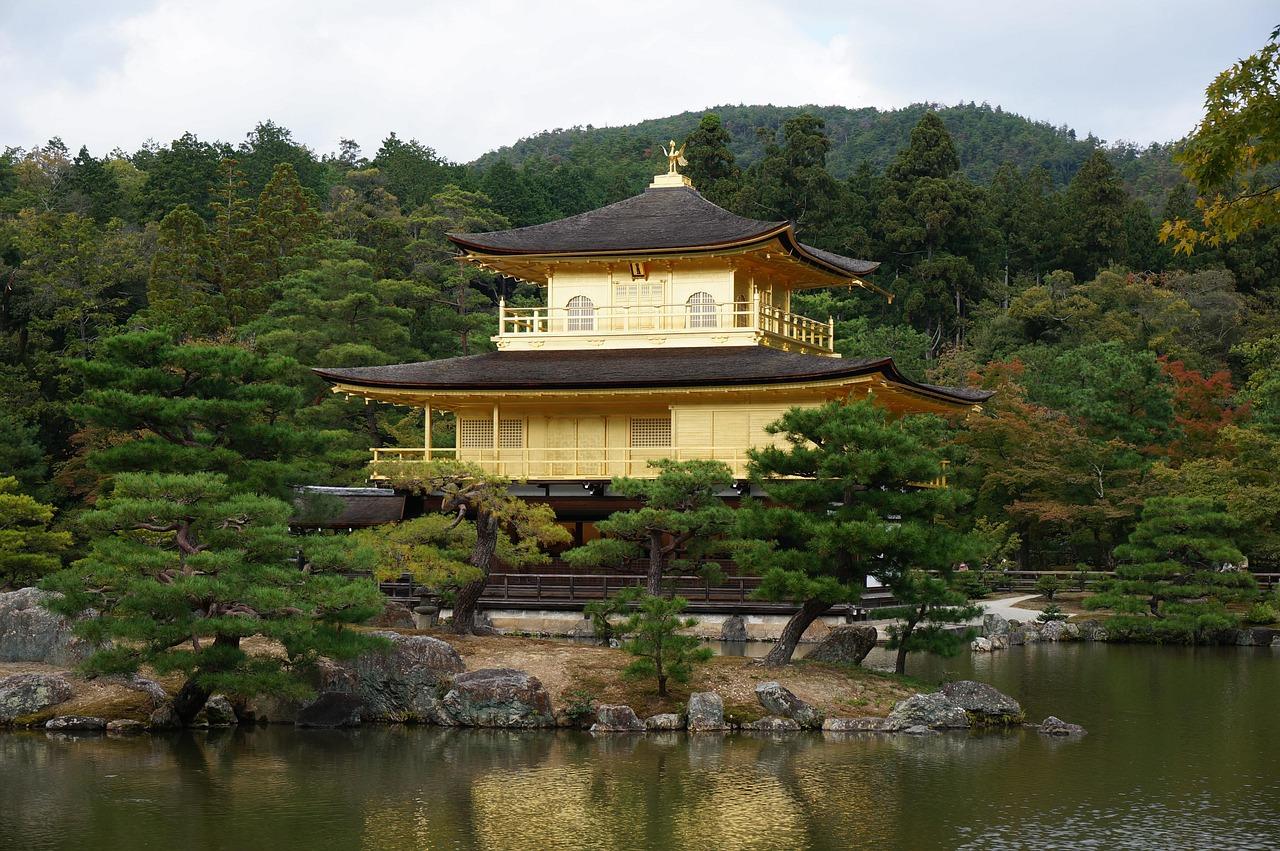
The view of the pavilion across its pond is the highlight of the visit, and you can see it from the main path. There is no need to rush: most people stop here for photographs and simply look.
Wheelchair users can see the pavilion and the rear garden, but steps block much of the garden beyond. If steps are a problem, follow the main path as far as it suits you and come back the same way: you will have seen what the temple is famous for.
Toilets, rest stops and practical details
Multipurpose toilets are found at most tourist sights in Japan; ask at the entrance for the nearest one.
If you use a wheelchair, bring your own or arrange hire before you travel. Wheelchair hire in Japan must be booked ahead, with some suppliers asking for up to two weeks' notice; manual wheelchairs are the most widely available.
Kinkaku-ji is one of Kyoto's busiest temples, and crowds make a gravel path harder going in a wheelchair. Arriving early on a weekday gives you more room to move at your own pace.
Kinkaku-ji with limited mobility
For visitors who walk but find distance or uneven ground tiring, the main route is a good one: the gravel is over firm ground, and the essentials, the approach and the view of the pavilion, can be done slowly. Shoes you have already walked in, with a good grip, help on the gravel.
The parts you would miss if you cannot manage steps are in the wider garden, not the view the temple is known for.
For more on travelling in Japan with a wheelchair or limited mobility, see our accessible Japan holidays page.
Combining Kinkaku-ji with other Kyoto sights
Kinkaku-ji pairs well with Nijo Castle or the Arashiyama bamboo grove. Nijo Castle lends power-assisted wheelchairs free at its General Information Desk, because most of its paths are gravel. The City of Kyoto describes the Arashiyama bamboo grove path as a long, gently sloping lane.
If you are moving between cities, luggage forwarding in Japan lets you take the train with just a small bag, and our guide to Kyoto in a wheelchair covers the city's other sights and its buses.
Kinkaku-ji is on our Japan Highlights and Japan Classic holidays, and you can see all our Japan holidays.
Tell us your needs and we will check the details for your dates.
Video
Watch the short video
Facts checked by our Japan team on 22 November 2026.
