Accessible Holidays to Asia

Kyoto accessibility

Kiyomizu-dera with limited mobility: an honest guide

Kiyomizu-dera is one of Kyoto's best-known temples, and it sits on a hillside. The lanes up from the bus stop are steep, so that is the honest answer to whether it is hard work on foot. But there is a good way round the worst of it, and the temple has a step-free route to its Main Hall.

This guide sets out what to expect when visiting Kiyomizu-dera with limited mobility: how to arrive, the step-free route, and where it gets harder. It draws on the temple's own accessibility information and Kyoto's official access notes, so you can decide before you travel.

The short answer

Kiyomizu-dera with limited mobility is manageable if you avoid the hill. Reaching it from the bus stop means at least a 10-minute walk up a fairly steep slope, but taxis can drop you at the top. The temple says a step-free route to the Main Hall runs along the left of the normal route, with wheelchair-accessible toilets around the grounds. It does not lend wheelchairs, so bring or hire your own.

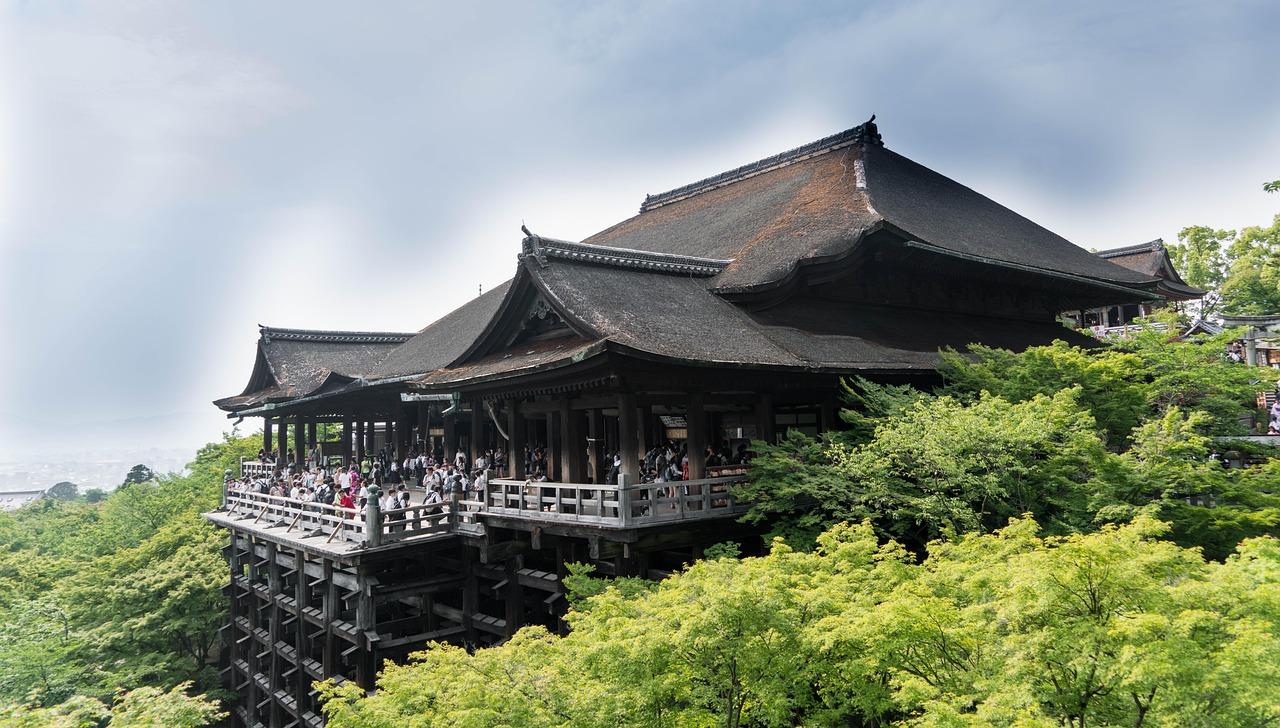
Kiyomizu-dera’s wooden stage above the green hillside in Kyoto
Kiyomizu-dera's wooden stage, part of the Main Hall

Written & verified by

Anna Louise · Japan Travel Specialist

The hill: the biggest practical challenge

Reaching Kiyomizu-dera from the bus stop means at least a 10-minute walk up a fairly steep hill. The lanes are lined with shops and cafés, but they rise sharply. For anyone with bad knees, a bad hip or limited stamina, this approach is tiring.

The practical answer is a taxi. Taxis can drop passengers at the top of the hill, which cuts out the climb. If you use a wheelchair, a Universal Design taxi has a ramp, handrails and a higher roof; allow an extra 10 to 15 minutes for the ramp to be set up. See our guide to accessible taxis in Japan for how they work.

If you do walk up, go slowly, wear shoes with a good grip, and use the cafés on the way as places to sit down.

The step-free route inside the temple

Once you are at the top, the picture improves. Kiyomizu-dera says a step-free route to the Main Hall runs along the left of the normal route, so visitors who cannot manage steps can reach the centrepiece of the temple without the main staircases.

Wheelchair-accessible toilets are around the grounds. The temple does not lend wheelchairs, so if you use one, bring it or arrange hire in advance. Wheelchair hire in Japan must be booked ahead, with some suppliers asking for up to two weeks' notice; manual wheelchairs are the most widely available.

The Main Hall's wooden stage, the veranda that juts out over the hillside, is what most visitors come to see, with its view over Kyoto.

The rest of the grounds: honest notes

Beyond the Main Hall, the wider temple complex has smaller halls and shrines linked by paths that vary in surface and gradient, and not all of them are on the step-free route.

If you are walking but find distance tiring, the Main Hall and its stage are the essential parts of the visit. Plan around those, then find somewhere to sit before heading back down.

If you use a wheelchair, follow the step-free route and ask the staff at the entrance which areas you can reach.

Kiyomizu-dera with limited mobility

The hill from the bus stop is the main obstacle, and a taxi to the top removes most of it. Inside, the step-free route reaches the Main Hall, and there are wheelchair-accessible toilets in the grounds.

Give yourself plenty of time rather than a tight schedule: take the taxi up, follow the step-free route to the Main Hall, rest, and come back down at your own speed. Shoes with a good grip help on the varied surfaces.

For more on travelling in Japan with a wheelchair or limited mobility, see our accessible Japan holidays page and our guide to Kyoto in a wheelchair.

Combining your visit with other Kyoto sights

Kiyomizu-dera is in the eastern hills of Kyoto, not far from the Gion district, so it pairs well with an easy afternoon there by taxi.

Elsewhere in Kyoto, at Kinkaku-ji (the Golden Pavilion) a gently sloping road leads in and the path to the pavilion is gravel over firm ground. The City of Kyoto describes the Arashiyama bamboo grove path as a long, gently sloping lane.

Our Japan Autumn Foliage tour visits Kiyomizu-dera, and you can see all our Japan holidays. If you would like to include Kiyomizu-dera, tell us your needs and we will check the details for your dates.

Video

Watch the short video

Kyoto in a wheelchair: which sights work and how to get to them

Facts checked by our Japan team on 22 November 2026.

Frequently asked questions

Can I visit Kiyomizu-dera in a wheelchair?

Yes, with planning. The temple says a step-free route to the Main Hall runs along the left of the normal route, and there are wheelchair-accessible toilets around the grounds. The main challenge is the steep hill from the bus stop; taxis can drop you at the top. The temple does not lend wheelchairs, so bring your own or book hire well ahead.

How steep is the hill to Kiyomizu-dera?

Reaching the temple from the bus stop means at least a 10-minute walk up a fairly steep hill. Taxis can drop passengers at the top, which removes the climb and is the most practical option for anyone with limited mobility.

Is there an accessible toilet at Kiyomizu-dera?

Yes. Kiyomizu-dera says there are wheelchair-accessible toilets around its grounds. Ask staff at the entrance for the nearest one.

Does Kiyomizu-dera lend wheelchairs?

No — the temple does not lend wheelchairs. If you use a wheelchair, bring your own or book a hire in advance. Wheelchair hire in Japan requires booking ahead, with some suppliers needing up to two weeks' notice; manual wheelchairs are the most widely available option.

What is the best way to get to Kiyomizu-dera with limited mobility?

A taxi to the top of the hill is the most practical way, as it cuts out the steep 10-minute climb from the bus stop. Universal Design taxis have ramps, handrails and higher roofs. Kyoto's newest city buses are low-floor, but some routes still run high-floor buses. See our guide to accessible taxis in Japan.

How should I pace a visit to Kiyomizu-dera?

Take a taxi to the top, follow the step-free route to the Main Hall and its wooden stage, then rest before coming back down. The outer parts of the temple are hillier, and there is no need to cover all of it to see what it is known for.

Start your accessible holiday

Tell us your dates and any access needs

No obligation and no pressure. Share as much or as little as you like about how you travel — we will come back with honest, specific answers and a plan shaped around you.

Fields marked * are required. We will never share your details with third parties for marketing purposes.

Ready when you are

Related holidays

Ready to start planning?

Tell us what you have in mind and we will send a sample itinerary and a full quote — no obligation. Plan now, travel in 2027.

Kiyomizu-dera with limited mobility: an honest guide | Holidays to Asia