Accessible Holidays to Asia

Japan accessibility

Shirakawa-go with limited mobility: an honest guide

You have seen photographs of Shirakawa-go's steep-roofed farmhouses in snow or autumn colour and want to see them in person, but you are not sure how much walking is involved, whether a wheelchair will work, or what winter is really like. It is a fair question: this is a rural mountain village, not a city with lifts on every corner.

For much of the year the picture is encouraging: free wheelchairs are lent at the arrival points, and the viewpoint above the village is served by a shuttle bus. The honest caveats are the farmhouse museums, where some of the best parts are upstairs, and winter, when the wheelchair loan service is suspended. This guide covers what works, what takes effort, and when to go.

The short answer

Shirakawa-go with limited mobility is best outside winter. Free loan wheelchairs are kept at the bus terminal and the Seseragi car park information centre, and a shuttle bus runs up to the Shiroyama viewpoint. There is no sightseeing bus in the village, so you get around on foot or by wheelchair; walking round takes about two to three hours.

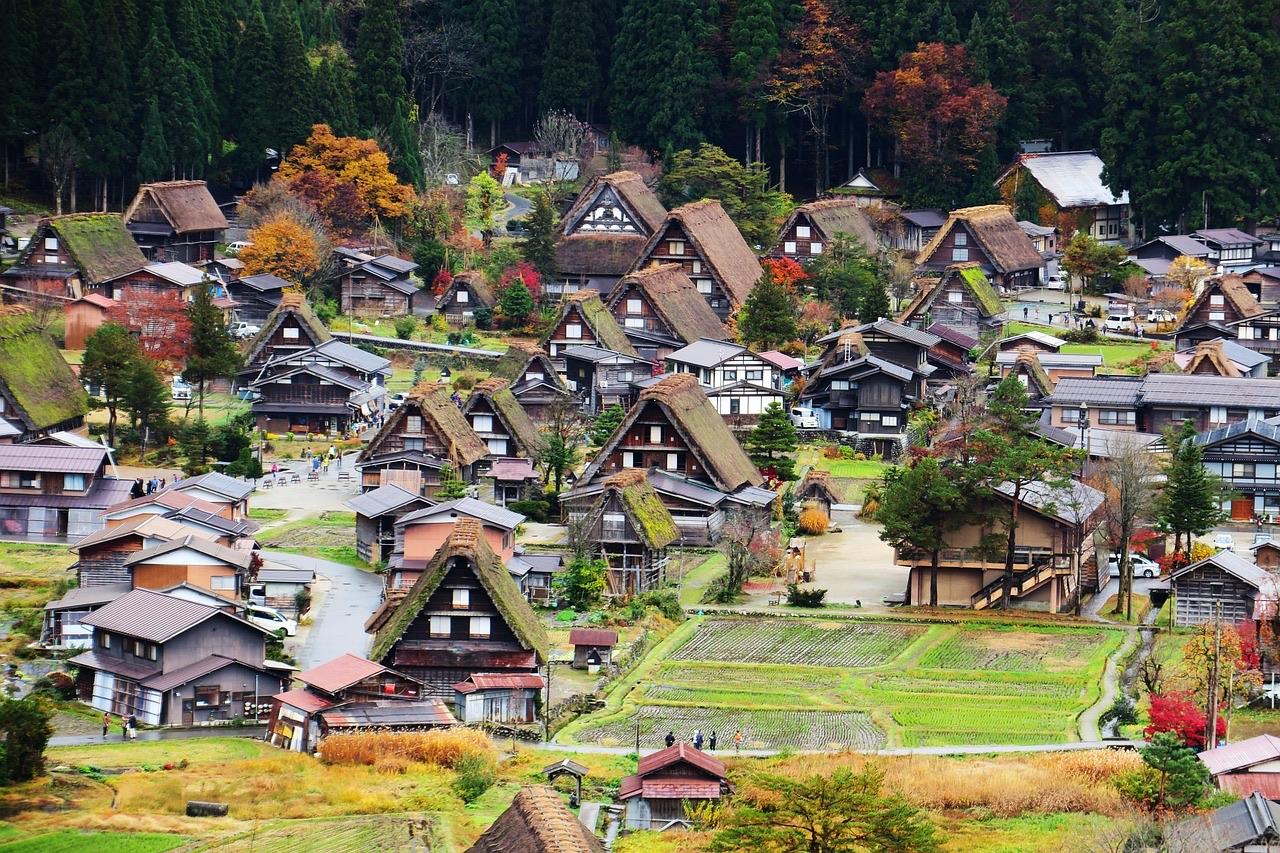
The thatched gassho farmhouses of Shirakawa-go seen from above in autumn
Shirakawa-go's thatched gassho farmhouses in autumn colour

Written & verified by

Anna Louise · Japan Travel Specialist

Getting to Shirakawa-go

Most visitors arrive by bus at Shirakawa-go Bus Terminal, one of the two places where free loan wheelchairs are kept.

From Seseragi car park, you reach the World Heritage village by a two-minute walk across a suspension bridge. If you are moving between cities, our guide to luggage forwarding in Japan explains how to send heavy bags ahead so you travel light.

Wheelchair loans and village layout
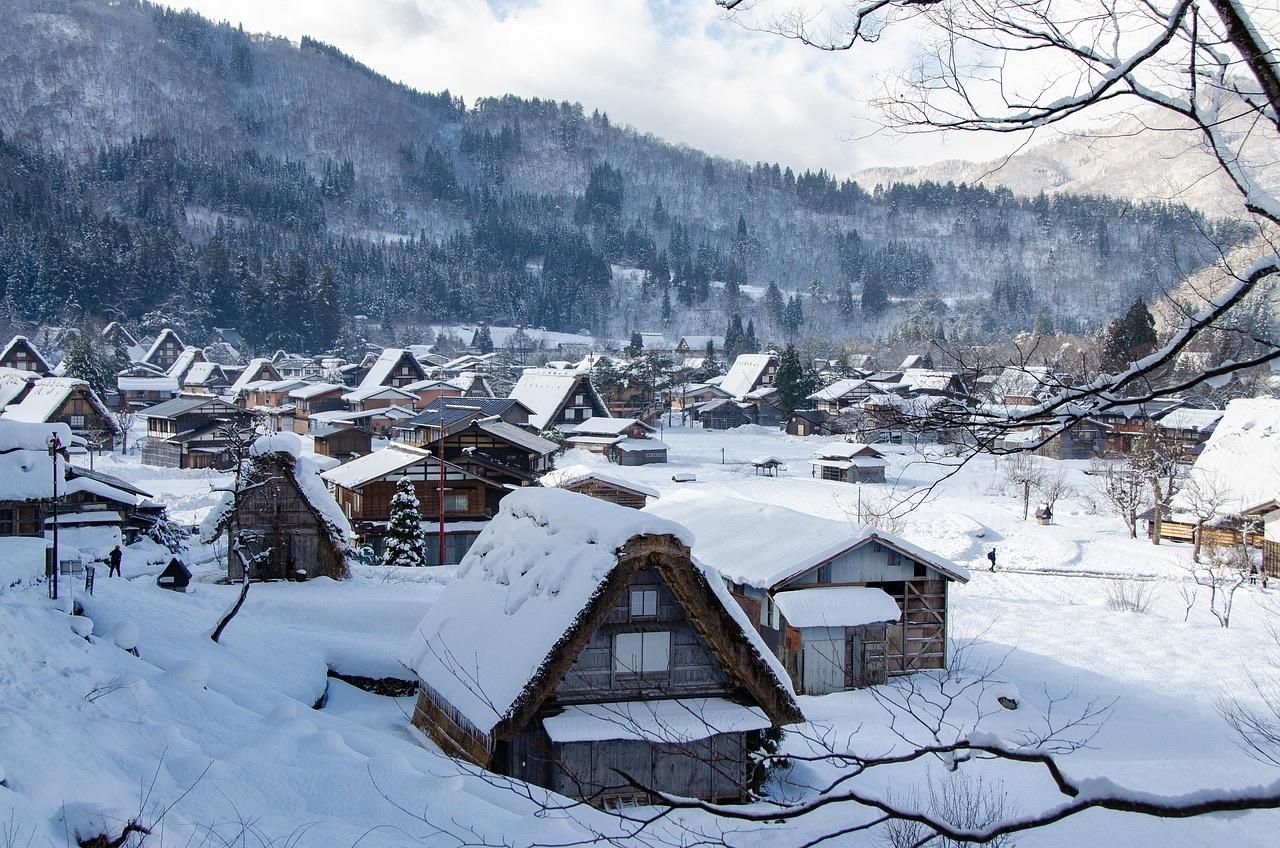
Shirakawa-go's thatched farmhouses under deep winter snow
Deep winter snow — the village is hard going in January and February

Free loan wheelchairs are kept at the Shirakawa-go Bus Terminal and the Seseragi car park information centre. They can be booked in advance, which is worth doing, as otherwise they go first come, first served. The loan service runs from 8:30 to 17:00 at the bus terminal and from 9:30 to 15:30 at Seseragi.

Wheelchairs cannot be used on rainy or snowy days, and the loan service is suspended during winter because of road conditions. There are five toilets in the village that wheelchair users can use. Getting around the village on foot takes about two to three hours in total, so plan your rest stops accordingly.

On foot from the bus terminal, Wada House is about three minutes away, Myozenji Museum about ten minutes, the Heritage Museum about fifteen minutes and the observatory about twenty minutes. The shuttle bus up to the viewpoint leaves from near Wada House.

The viewpoint: shuttle bus or trail

The hilltop Shiroyama viewpoint is what most visitors picture when they think of Shirakawa-go — the view over the whole thatched-roof valley. There are two ways up. The walking trail takes fifteen to twenty minutes but is closed during and after heavy snow. The shuttle bus leaves from near Wada House every twenty minutes and costs ¥300 each way.

For visitors with limited mobility, the shuttle bus is the straightforward choice, so you need not miss the village's defining view even if the trail is not for you. Check locally that it is running on the day, especially when the weather is poor.

Inside the farmhouses

Shirakawa-go's farmhouses are the reason most people visit, but some of the best parts are upstairs: at Wada House the views are from the upper-floor windows, and at Nagase House the farming and silkworm tools are shown on the upper floors.

If stairs are difficult for you, the village itself, its lanes and the great thatched roofs seen from outside, still makes a memorable visit, and the shuttle to the viewpoint gives you the classic view over the whole village.

When to visit: avoiding winter conditions

Shirakawa-go has heavy snow. The first snow usually falls in early December, and it keeps building up from late December to late February, with very slippery road surfaces. The wheelchair loan service is suspended in winter. The winter light-up events, held on set days in January and February, are spectacular but the hardest time to visit with limited mobility, and every vehicle needs a parking reservation on light-up days.

Outside the snow season the loan wheelchairs are available and the village is easier going. Shirakawa-go is on our Japan Grand Tour.

For more on travelling in Japan at a gentle pace or with a wheelchair, see our Japan over-70s accessibility guide and our accessible Japan holidays page. Tell us your needs and we will check the details for your dates.

Facts checked by our Japan team on 23 November 2026.

Frequently asked questions

Is Shirakawa-go suitable for wheelchair users?

Outside winter, with planning. Free wheelchairs are lent at the bus terminal and the Seseragi car park information centre, and a shuttle bus reaches the viewpoint. Wheelchairs cannot be used on rainy or snowy days, and the loan service is suspended in winter because of road conditions. There are five toilets in the village that wheelchair users can use.

Is there a wheelchair loan service at Shirakawa-go?

Yes. Free wheelchairs can be borrowed at the Shirakawa-go Bus Terminal (8:30–17:00) and at the Seseragi car park information centre (9:30–15:30). They can be booked in advance, which is recommended. The service is suspended in winter because of snow and ice on the roads.

Can I see the hilltop viewpoint at Shirakawa-go without walking up the trail?

Yes. A shuttle bus leaves from near Wada House every twenty minutes and costs ¥300 each way, reaching the Shiroyama viewpoint without the fifteen-to-twenty-minute trail walk. This is the practical option for anyone with limited mobility. The trail is also closed during and after heavy snow.

How far is the walking in Shirakawa-go?

Walking round the village takes about two to three hours. From the bus terminal, Wada House is about three minutes, Myozenji Museum ten minutes, the Heritage Museum fifteen minutes and the observatory twenty minutes on foot; the shuttle bus to the viewpoint leaves from near Wada House. There is no sightseeing bus within the village.

When should I avoid Shirakawa-go if I have limited mobility?

Avoid the snow season. The first snow usually falls in early December and builds up from late December to late February, with very slippery roads, and the wheelchair loan service is suspended in winter.

Can I see inside the farmhouses at Shirakawa-go with limited mobility?

Some of the best parts are upstairs: the views from the upper-floor windows at Wada House and the silkworm tools at Nagase House. If stairs are hard for you, the village lanes and the thatched roofs from outside, plus the shuttle to the viewpoint, still make a rewarding visit.

Start your accessible holiday

Tell us your dates and any access needs

No obligation and no pressure. Share as much or as little as you like about how you travel — we will come back with honest, specific answers and a plan shaped around you.

Fields marked * are required. We will never share your details with third parties for marketing purposes.

Ready when you are

Related holidays

Ready to start planning?

Tell us what you have in mind and we will send a sample itinerary and a full quote — no obligation. Plan now, travel in 2027.

Shirakawa-go with limited mobility: an honest guide | Holidays to Asia