Accessible Holidays to Asia

Practical guide

Gion with limited mobility: an honest guide

Gion is Kyoto's district of old wooden houses and tea houses, and you may be wondering how its streets will suit you if walking is difficult or you use a wheelchair.

This guide to Gion with limited mobility covers what each street is like underfoot, how to reach Yasaka Shrine without its main steps, where the accessible toilets are and when the crowds are heaviest.

The short answer

You can explore Gion with limited mobility if you choose your streets. Hanamikoji is level and wide, though busy. The lanes along the Shirakawa canal are large stone slabs, passable in a wheelchair but uncomfortable. The main entrance of Yasaka Shrine is up a large flight of stairs, so wheelchair users go through Maruyama Park to a back entrance.

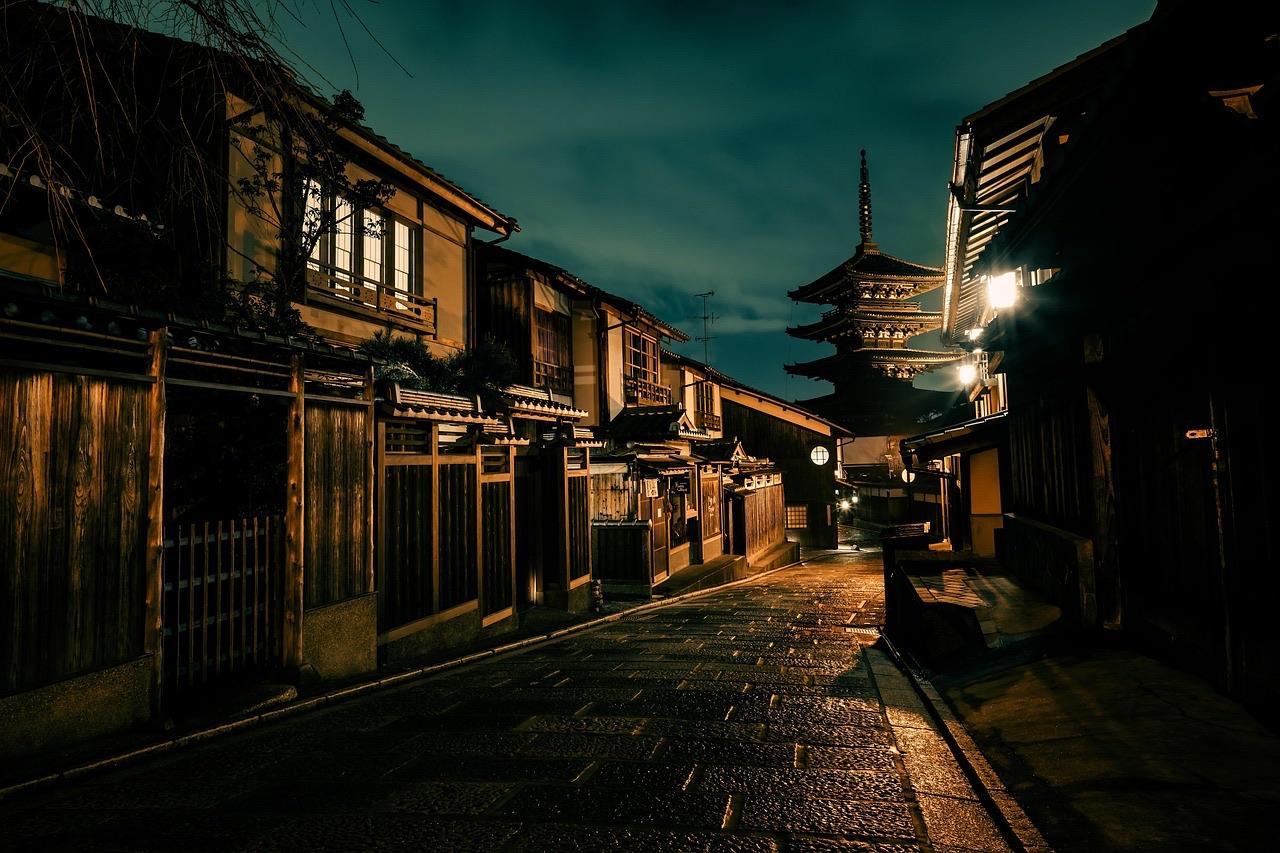
A lane of old wooden houses below the Yasaka pagoda at dusk, near Gion in Kyoto
A lane of old wooden houses below the Yasaka pagoda, near Gion

Written & verified by

Anna Louise · Japan Travel Specialist

Getting to Gion

Exit 7 of Gion-Shijo Station on the Keihan Line has a lift. If the train is too much, see accessible taxis in Japan for the taxis with ramps and how to book them. For the wider city, read Kyoto in a wheelchair.

Hanamikoji Street

Hanamikoji is level and wide, though busy and with the odd car. It has no marked pavement: different stones are laid down the middle and along the sides, and walkers are asked to keep to the side stones because traffic uses the middle.

Gion residents ask visitors not to photograph or film geiko and maiko without permission, and not to stop on the road or pavement for photos. Large groups standing about on the pavement are a particular problem.

The Shirakawa canal lanes

The lanes along the Shirakawa canal are large stone slabs. They are passable in a wheelchair but uncomfortable.

The area is usually quieter than Hanamikoji Street, so it may suit you better if crowds are the bigger worry.

Yasaka Shrine without the main steps
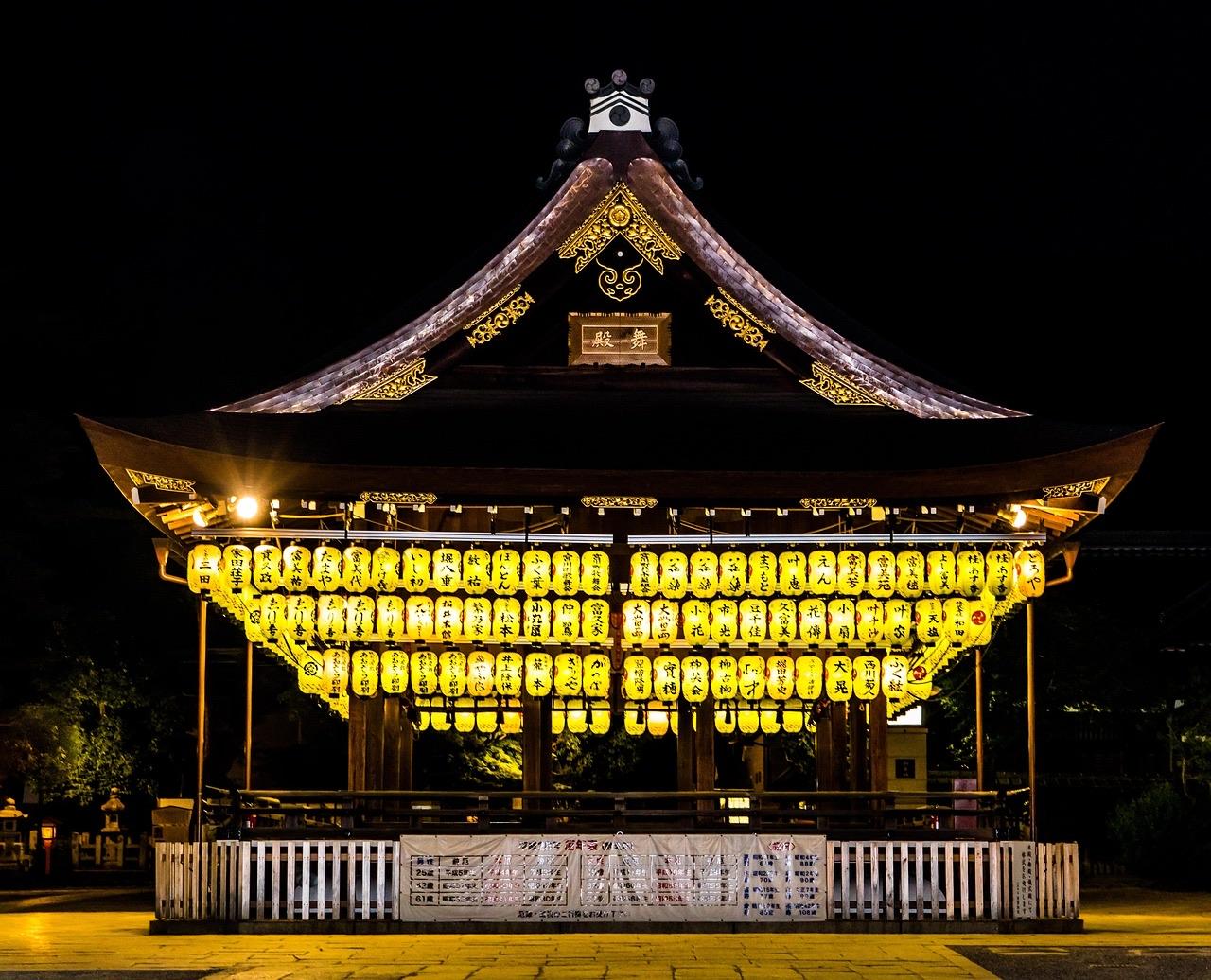
The lantern-hung dance stage of Yasaka Shrine in Gion, Kyoto, at night
The lantern-hung stage of Yasaka Shrine at night

The main entrance of Yasaka Shrine, facing Gion, is up a large flight of stairs with no wheelchair access. Wheelchair users go north through Maruyama Park to a back entrance instead, a route that is a little steep and partly on the road.

At the rear torii gate a ramp runs up the middle of the steps, but it is fairly steep, and the path to the right of the gate is smoother. Inside, flagstone paths are set in gravel and can be uneven.

The shrine has no accessible toilets, but neighbouring Maruyama Park has some. Gion Corner has an accessible entrance and an accessible toilet.

Tea houses, crowds and planning

Most traditional tea houses and restaurants in Gion have steps, and a ramp at the door does not always mean the inside is step-free, so ask before you go in.

Kyoto's tourism office asks visitors to take extra care with crowds during the cherry blossom, autumn leaf and Gion Festival seasons. If you are coming for the blossom, see Japan's cherry blossom with limited mobility.

Our private Japan tours spend time in Gion, among them Japan Classic, Japan Highlights and the Japan Grand Tour. Wheelchair users will find more on our accessible Japan holidays page. Tell us your needs and we will check the details for your dates.

Facts checked by our Japan team on 24 November 2026.

Frequently asked questions

Can you visit Gion in a wheelchair?

Yes, in part. Hanamikoji is level and wide, though busy. The Shirakawa canal lanes are large stone slabs, passable but uncomfortable. Most traditional tea houses and restaurants have steps, and Yasaka Shrine's main entrance is up a large flight of stairs.

Which station has a lift for Gion?

Gion-Shijo Station on the Keihan Line: Exit 7 has a lift.

What is the surface like on Hanamikoji Street?

It is level and wide, with no marked pavement. Different stones are laid down the middle and along the sides, and walkers are asked to keep to the side stones because traffic uses the middle.

How do I reach Yasaka Shrine in a wheelchair?

Go north through Maruyama Park to the back entrance, a route that is a little steep and partly on the road. At the rear torii gate a fairly steep ramp runs up the middle of the steps; the path to the right of the gate is smoother. Inside, flagstone paths are set in gravel and can be uneven.

Are there accessible toilets in the Gion area?

Yasaka Shrine has none, but neighbouring Maruyama Park has some. Gion Corner has an accessible entrance and an accessible toilet.

When is Gion most crowded?

Kyoto's tourism office asks visitors to take extra care with crowds during the cherry blossom, autumn leaf and Gion Festival seasons. The Shirakawa area is usually quieter than Hanamikoji Street.

Start your accessible holiday

Tell us your dates and any access needs

No obligation and no pressure. Share as much or as little as you like about how you travel — we will come back with honest, specific answers and a plan shaped around you.

Fields marked * are required. We will never share your details with third parties for marketing purposes.

Ready when you are

Related holidays

Ready to start planning?

Tell us what you have in mind and we will send a sample itinerary and a full quote — no obligation. Plan now, travel in 2027.

Gion with limited mobility: an honest guide | Holidays to Asia