The short answer
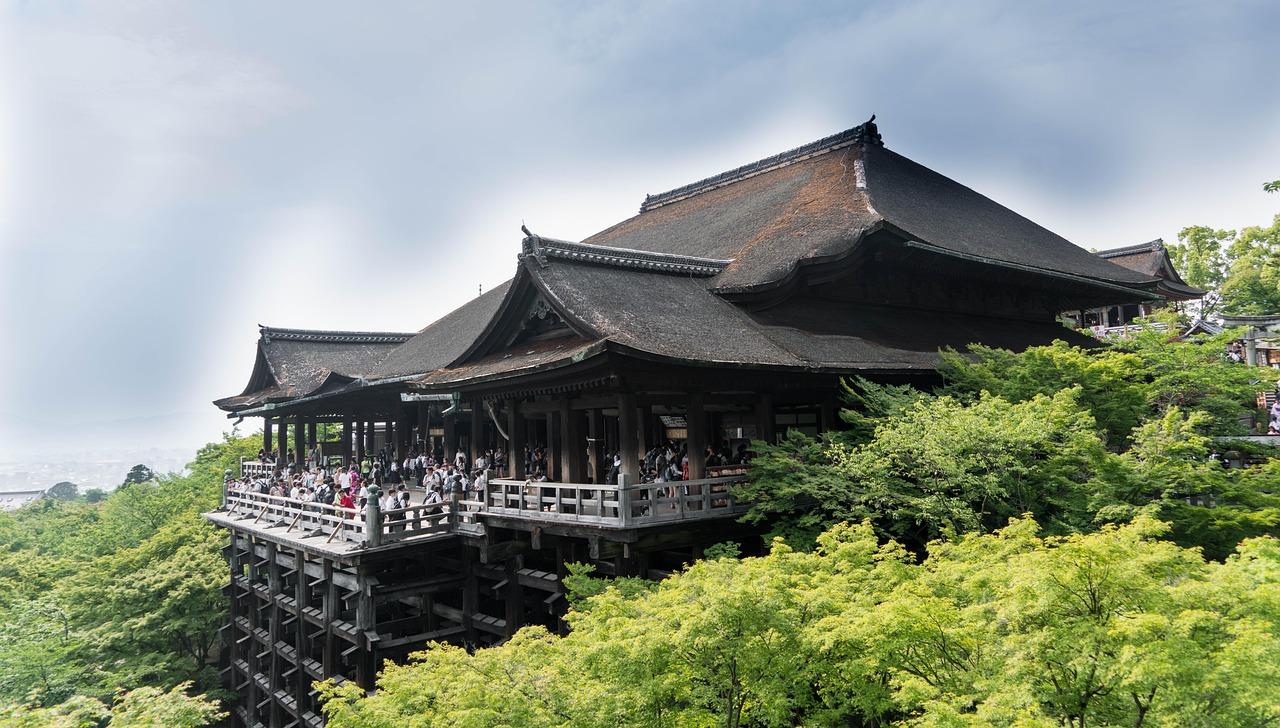
Japan suits you if you want variety and do not mind company: a great modern city, an old capital full of temples, mountain scenery and hot-spring inns, joined by the bullet train.
South Korea suits you if you would like a smaller, calmer country: royal palaces, an ancient temple town and a port city, all on one railway line, with a private car and guide.
And if you cannot choose, you do not have to. Twelve nights is enough for the main cities of both.
Size and getting around
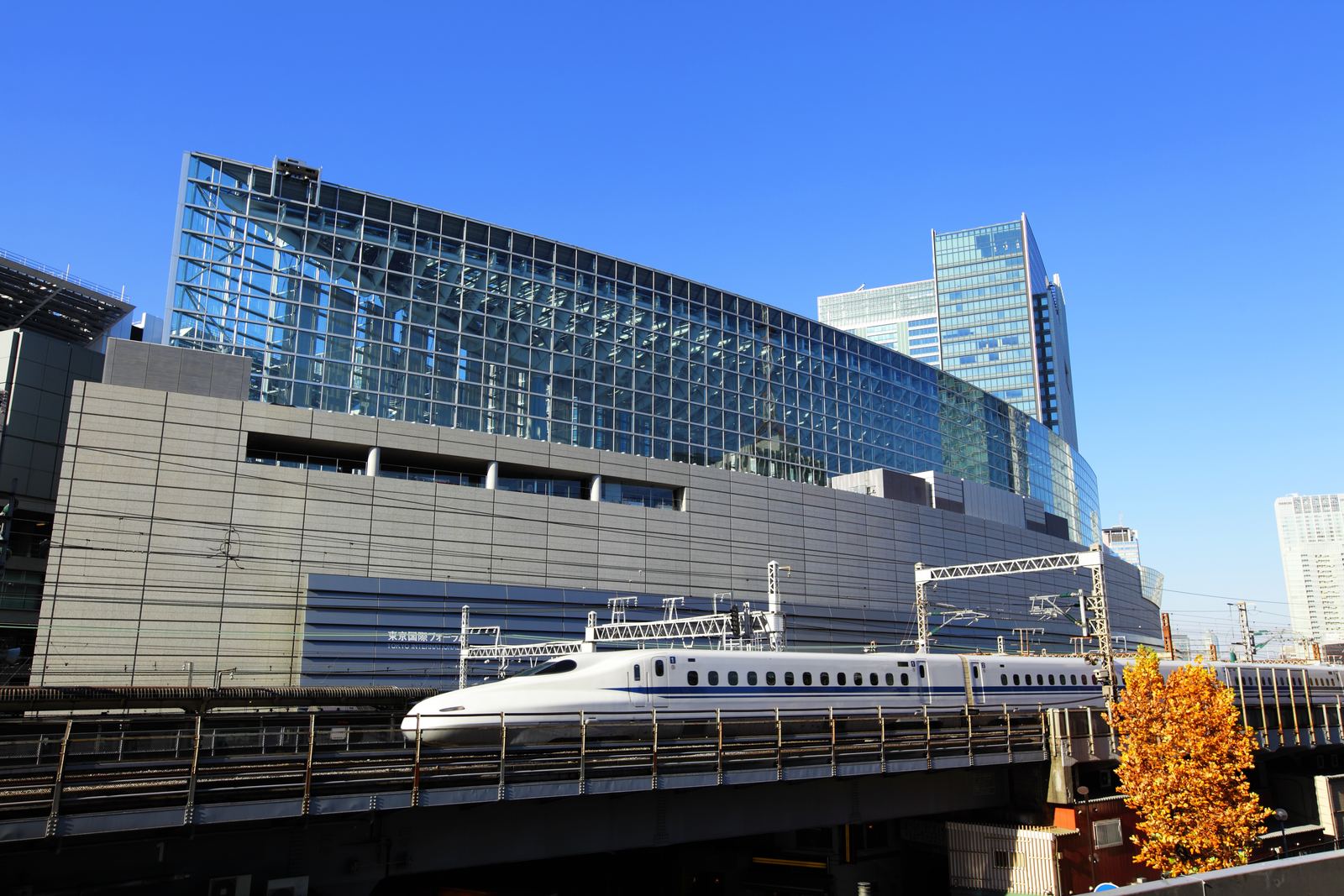
South Korea is the smaller by a long way, about a quarter of the size of Japan, and the places most visitors come for sit along one railway line. The KTX high-speed train runs from Seoul to Gyeongju in about two hours and to Busan in about three. Ten days covers the country well.
Japan is longer and its sights are more spread out, but the bullet train shrinks the distances: Kyoto to Tokyo takes a little over two hours. A first visit usually keeps to the stretch between Tokyo and Kyoto, with Hakone, Nara or Hiroshima added if there is time. Allow ten days to two weeks.
What you see
Japan has the greater range. Tokyo is one of the world's great cities. Kyoto, the capital for more than a thousand years, has the temples, gardens and wooden streets. Between them are Mount Fuji and the hot-spring inns of Hakone.
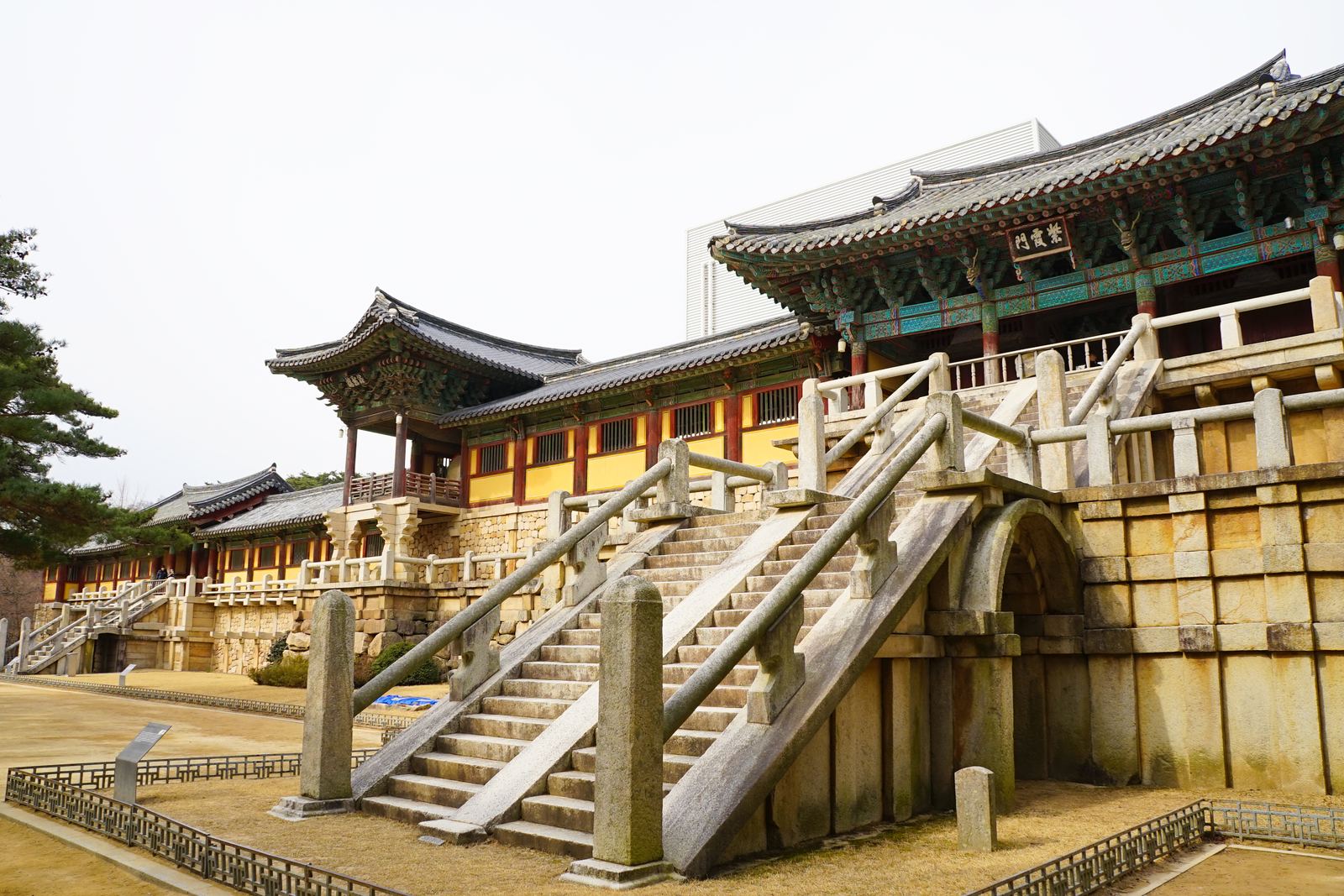
South Korea's sights are fewer and closer together: the royal palaces of Seoul, the tiled lanes of Bukchon, the eighth-century temple of Bulguksa at Gyeongju, the port of Busan and, with more time, the volcanic island of Jeju. It also has something Japan does not: the Demilitarised Zone, the border with North Korea, which can be visited on a day trip from Seoul.
Crowds
Japan is far the busier. It received about 42.7 million visitors from abroad in 2025, on Japan National Tourism Organization figures, against about 18.9 million for South Korea. In Kyoto, in the cherry blossom and autumn colour weeks, the best-known temples are crowded by the middle of the morning, and an early start makes a real difference.
With fewer than half the visitors, South Korea's palaces and temples are generally calmer, though April and October are busy there too.
How the days run
On our holidays the two countries work a little differently. In South Korea you have a private car and your own guide on the sightseeing days, so the walking can be kept short. In Japan you travel between cities by bullet train, your main suitcases are sent ahead to the next hotel, and your own guide is with you on the sightseeing days.
Both suit travellers in their sixties and seventies. If you walk but not far, we would look at South Korea first, because the car is with you more of the time: see South Korea for the over-70s and Japan at an easy pace.
Weather and when to go
There is little to choose between them here. Both are best in April, May, October and November, and both are hot and wet from late June to August. South Korea is the colder in winter: Seoul averages about minus 2°C in January, Tokyo about 5°C.
The cherry blossom comes to Tokyo and Kyoto about a week before Seoul, and the autumn colour comes to Seoul about a month before Kyoto. Our guide to the best time to visit Japan and South Korea has the dates.
Getting there, and entry rules
There are direct flights from London to both Seoul and Tokyo, of about 13 to 14 hours on the way out.
Neither country asks British holidaymakers to buy a visa. Japan lets UK passport holders stay for up to 90 days without arranging anything in advance. South Korea allows 90 days without a visa, and UK passports are exempt from its online travel authorisation, the K-ETA, until 31 December 2026. Nothing has been confirmed for 2027 yet, so for 2027 travel we confirm what you need when you book.
Or see both
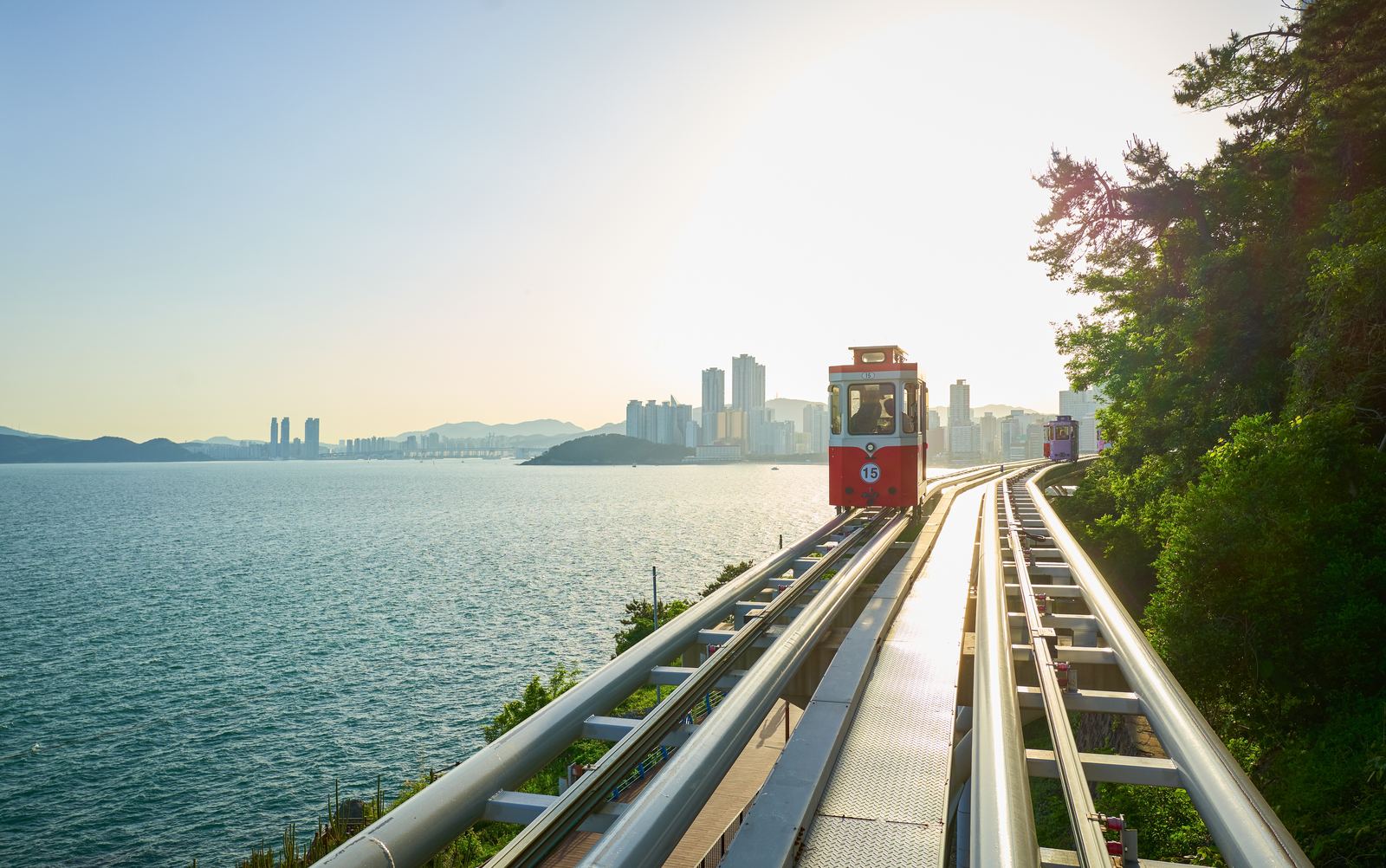
The two are closer than most people think. Busan to Osaka is about an hour and a half by air, so the crossing takes up part of one day in the middle of the holiday.
With twelve nights you can see Seoul, Busan, Kyoto and Tokyo. With sixteen you add Gyeongju and a slower pace. We plan it as one private holiday, from £3,760 per person with return flights from London: see Japan and South Korea in one holiday, or the two-week itinerary day by day.
If one country is enough this time, see our South Korea tours and our Japan holidays.
Facts checked by our Japan and South Korea team on 27 November 2026.

