The challenge: floor seating and step-in baths
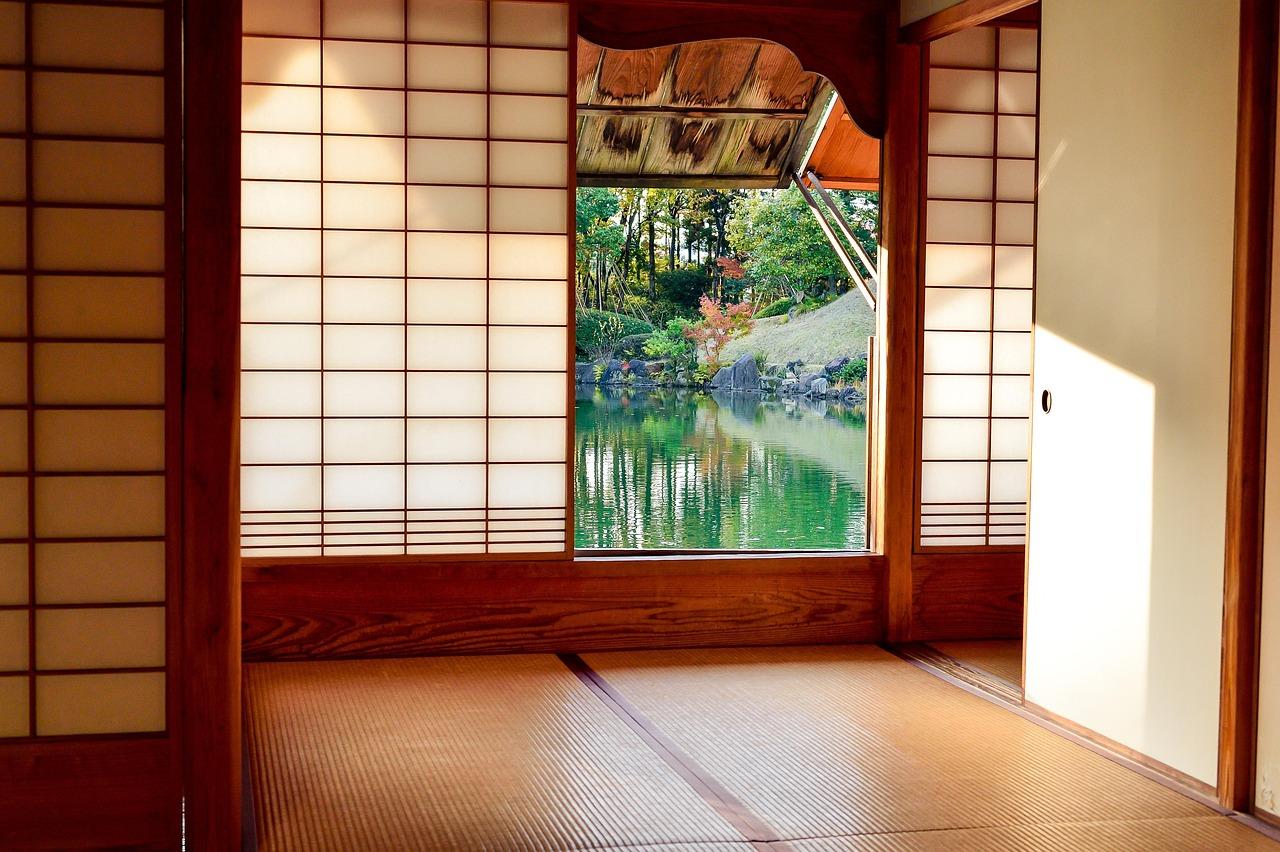
A traditional ryokan room has tatami-mat flooring, a futon laid on the floor for sleeping, and low tables where meals are served sitting on cushions at floor level. For anyone with bad knees or a bad back, sitting cross-legged on the floor and rising from it repeatedly is tiring and sometimes painful.
The communal hot-spring bath (onsen) typically involves stepping over a high lip into the tub, and the bathing area itself may have wet, uneven surfaces. Some older ryokan have only stairs to reach the bath floor.
None of this means you should skip the ryokan experience — it means you should ask the right questions before you book. Our specialists advise asking early, as adapted rooms are limited. Tell us your dates and we will price it for you.
Rooms with beds and chairs: how to request them
More ryokan now offer rooms with beds, including Japanese-style rooms with Western beds and fully Western rooms. The Japan Tourism Agency advises simply asking, and notes that some ryokan can supply Western tables and chairs for dining too.
Some ryokan have been renovated to universal design principles, adding lifts, handrails, ramps, chairs and benches throughout. The Japan Tourism Agency advises telling the ryokan your needs beforehand, and this matters: adapted rooms are often limited to one or two per property and are booked well ahead, particularly during cherry blossom season and autumn colour.
When you enquire, ask specifically: does the room have a Western-height bed, or can one be supplied? Is there a table and chairs for meals, or only floor seating? Is there a step-free route from your room to the dining room and bathroom? Getting the answers in writing before you book removes any ambiguity on arrival.
Private hot-spring baths: the accessible option
Many onsen offer private baths, called kashikiri, that you can reserve for your own group, either in advance or at the front desk. A private bath removes the communal element entirely and means you can take as long as you need, with no one waiting.
Private baths almost always cost extra beyond the room rate, but they give you full control over the pace and the environment. For someone with limited mobility, this is usually far more comfortable than the communal bath, where the floor is wet and other guests are coming and going.
Ask the ryokan directly whether the private bath is on a level route from your room, whether there is a step into the tub, and whether a chair or bench is available beside the tub.
Japan ryokan with limited mobility: honest advice
For visitors with limited mobility, the experience of a ryokan is very much within reach, but it requires advance planning rather than improvisation. Roll-in showers are much less common in Japanese hotels and ryokan than elsewhere in the world; accessible bathrooms in Japan often have a floor drain beside the bath rather than a separate shower area, so you wash seated beside the tub. If a roll-in shower is essential for you, check the exact feature directly with the ryokan and book early — these rooms are rare and go quickly.
If you use a wheelchair, ask about the route from the car park or taxi drop-off to your room: some older ryokan have a step at the entrance, a narrow corridor, or a lift that does not reach every floor. Some have been fully renovated with ramps and wider doorways; others have not. Ask for door widths and the route from the entrance to your room before you book.
For more on accessible travel in Japan, see our accessible holidays page and our guide to Japan with bad knees. If you are travelling by wheelchair and want to know about the bullet train journey between cities, the Japan bullet train with a wheelchair guide covers reserved spaces and boarding help in full.
Floor seating at meals: what to ask for
Traditional Japanese meals at a ryokan are often served in your room or in a dining room, at a low table with floor cushions. If sitting at floor level is painful for your knees or back, ask for a table-and-chair arrangement when you book. Many ryokan can accommodate this, particularly in Western-style rooms. Some have a horigotatsu — a table with a sunken floor below it, so your legs hang down rather than folding beneath you — which is easier on the knees than a fully floor-level seat.
Getting this confirmed in writing before arrival means the ryokan staff can arrange the right setup in your room, rather than having to improvise on the evening you arrive. Our specialists advise building this into the booking request rather than leaving it to the check-in desk.
Luggage is another practical point: carrying a heavy suitcase into a tatami room and then onto the floor to unpack it is awkward. Japan's takkyubin luggage-forwarding service lets you send your main bag ahead from the previous hotel, arriving the following day, so you check in with only a small overnight bag. Hotels arrange the service at the front desk. This is particularly useful if you have a bad back.
Which Japan tours include a ryokan night
A ryokan night is one of the most memorable parts of a Japan holiday, and several of our itineraries include one. The Japan Classic: Tokyo, Kyoto & Beyond moves through Japan's great cities and includes a traditional inn stay in the mountains. The Japan Grand Tour: The Complete Journey gives the most time at each stop and suits those who want a slower, more considered pace. The Japan Cherry Blossom: The Ultimate Sakura Journey times the ryokan stay around the spring season.
If you would rather stay in a Western hotel at the same stop, or if you want a ryokan that has confirmed its adapted room for your dates, let your specialist know and they will plan it that way. Tell us your dates and we will price it for you.
Video
Short videos to watch
Facts checked by our Japan team on 19 November 2026.
