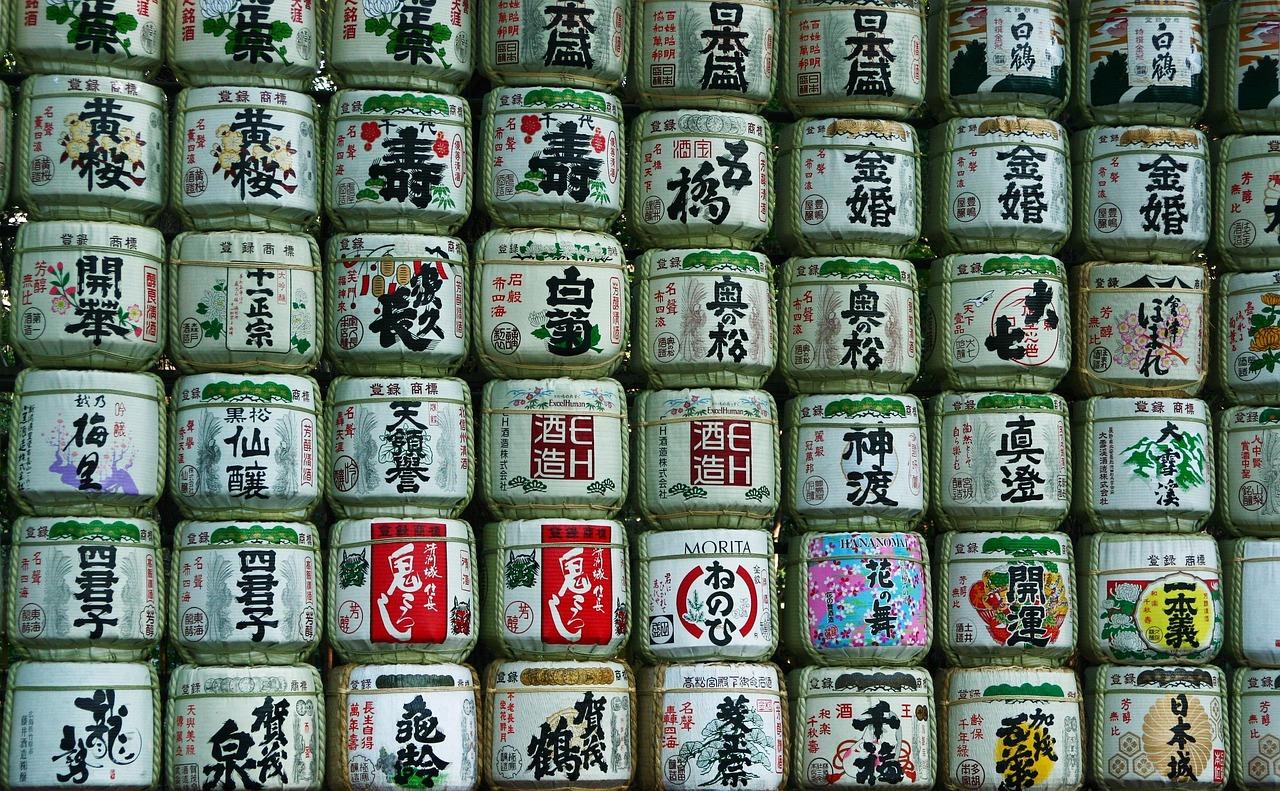
The approach path: what the ground is actually like
The approach to Meiji Jingu is a 700 m path of fine gravel, with paved strips running along either side. For most visitors with limited mobility — including wheelchair users — the paved strips make the route workable, though fine gravel does take more effort to push a manual wheelchair through than a smooth pavement would.
The path runs through tall, forested grounds and is essentially flat. There are no significant gradients along the main approach, so the challenge is distance rather than slope. At a comfortable, unhurried pace, the walk from the main entrance to the shrine building takes around 15 to 20 minutes.
Both the gate (the large torii) and the shrine building itself have ramps, so the central route avoids steps. Our specialists advise planning your Tokyo days around how far you walk comfortably.
Ramps, steps and what you can reach
The main gate and the shrine building at Meiji Jingu both have ramps beside any steps, which means the central part of the visit — arriving at the main hall — does not require you to manage steps at all.
The inner garden (Gyoen) is a separate, ticketed area of the grounds. It contains narrower paths and some uneven ground; if your energy is limited, our specialists advise focusing on the main shrine approach rather than adding the garden. One visit is a full half-day at a gentle pace.
There is seating at some points along the approach and near the shrine building, though benches are not frequent. If you need to rest regularly, plan to take your time and treat any available seating as a natural pause rather than something you can count on being there every few minutes.
Meiji Jingu with limited mobility
For visitors with limited mobility, Meiji Jingu is one of the more manageable Tokyo shrines because the main approach is essentially level and both the gate and shrine building have ramps. The key practical fact is the surface: fine gravel with paved strips. A wheelchair user on the paved strip will find the route navigable; someone with a walking frame, bad knees or a bad back should allow more time than they would on a smooth pavement, and wear supportive shoes with a firm sole.
If you use a wheelchair, gravel paths take more effort than firm ground. Manual wheelchair users may find it tiring over 700 m; if you have a travelling companion, agree in advance that they will help push on the gravel sections. Electric wheelchairs handle loose surfaces better, but check the width at the gate before you travel.
Public toilets are available inside the grounds, including multipurpose toilets. Tokyo's Universal Design taxis can drop you at the main entrance on Omotesando; allow an extra 10 to 15 minutes for the ramp to be set up when you book. For more on getting around Tokyo with limited mobility, see our guide to Tokyo with limited mobility, and visit our accessible holidays page if you would like us to plan the route around your needs.
Getting there and back
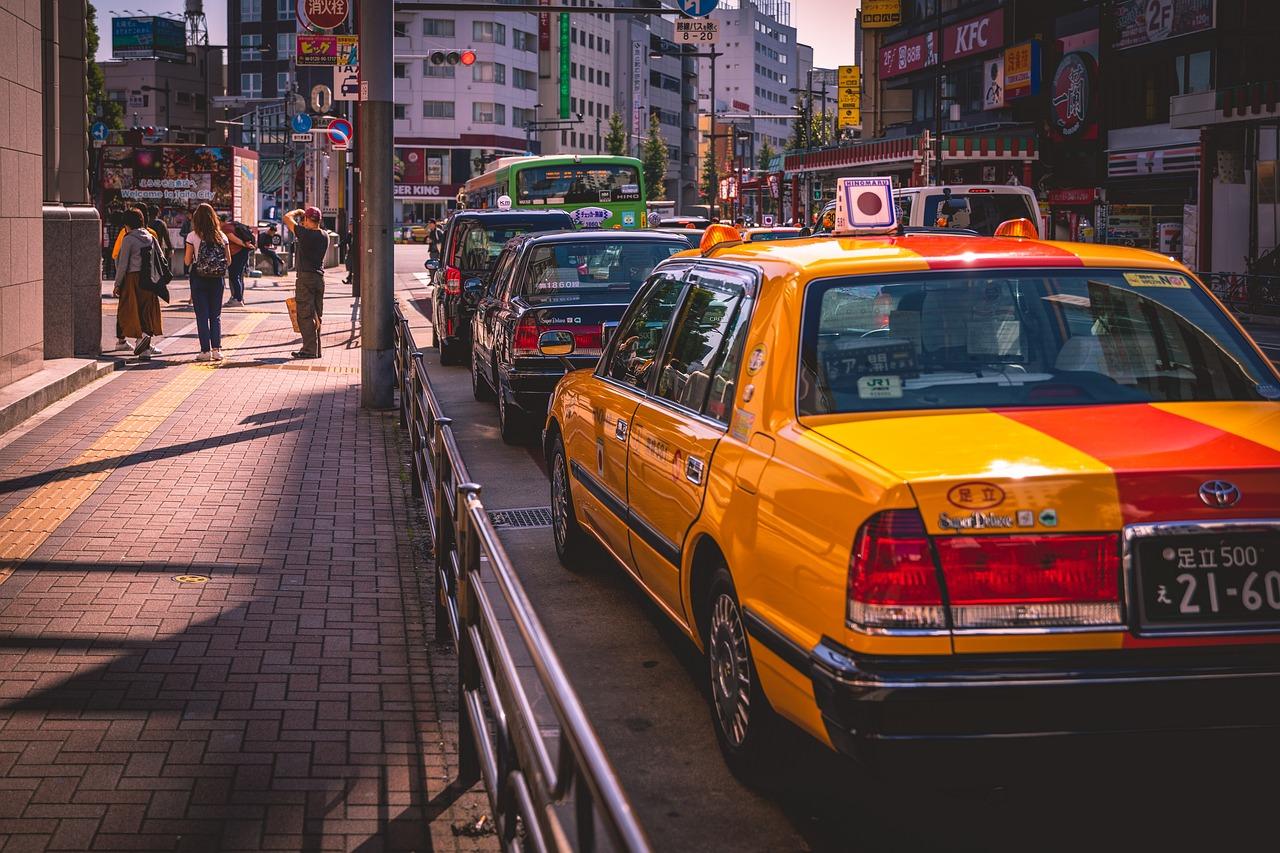
Meiji Jingu sits between Harajuku station (JR Yamanote Line) and Meijijingumae station (Tokyo Metro Chiyoda and Fukutoshin lines). Both stations have lift routes, though at some exits the lift may be a walk from the main exit — check the station map or the Tokyo Metro app before you travel.
For visitors who find station platforms difficult or who use a wheelchair, a Universal Design (UD) taxi from your hotel to the main entrance removes the station entirely. UD taxis have higher roofs, ramps, handrails and sliding doors, and charge the same fares as ordinary taxis. In Tokyo's 23 wards you can book one through Uber Assist; wheelchairs must be within 120 cm long, 130 cm high and 70 cm wide. Allow an extra 10 to 15 minutes for the ramp to be set up.
Our guide to accessible taxis in Japan has the full detail on booking, sizing and what to expect at the door. For the bullet train between Tokyo and other cities, the Japan bullet train with a wheelchair guide covers reserved spaces and boarding help.
When to go and how to plan your day
Meiji Jingu is open every day. The grounds open at sunrise and close at sunset; the exact times change monthly, so check the shrine's own timetable before you travel. Early mornings on weekdays are significantly calmer than weekend afternoons. Cherry blossom season (late March to early April) and Golden Week (late April to early May) bring the largest crowds; at busy periods the approach path narrows with people, which makes it harder to use the paved strips freely.
Our specialists advise pairing Meiji Jingu with a nearby rest point rather than combining it with another major walk on the same day. The Yoyogi Park grounds that border the shrine are mostly flat and grassy, with benches, and make a natural place to sit before or after the visit.
Japan's Japan Classic: Tokyo, Kyoto & Beyond includes Tokyo days that your own English-speaking local guide can pace around your needs. The Japan Grand Tour: The Complete Journey gives more time in each city, which suits a slower pace particularly well. Tell us your dates and we will price it for you.
Video
Watch the short video
Facts checked by our Japan team on 19 November 2026.
