Accessible Holidays to Asia

Accessible Japan

Mount Fuji with limited mobility: views without the climb

"I'd love to see Mount Fuji, but I know I can't climb it." You don't need to. Some of the best views of the mountain come from a lake or a ropeway, and those are the parts that can work with limited mobility.

Mount Fuji with limited mobility is about choosing the right base, the right season and the right time of day, because cloud hides the summit more often than not. This guide covers the options honestly, including the famous viewpoints that involve a lot of steps.

The short answer

Mount Fuji with limited mobility means seeing it, not climbing it. Wheelchair users can ride the Hakone Ropeway and board the Lake Ashi sightseeing ships in their own chair, and Fuji can be seen from both on clear days. At Lake Kawaguchi, the Appare boat has a wheelchair slope. Cloud hides the summit more often than not, and winter is usually clearer than summer.

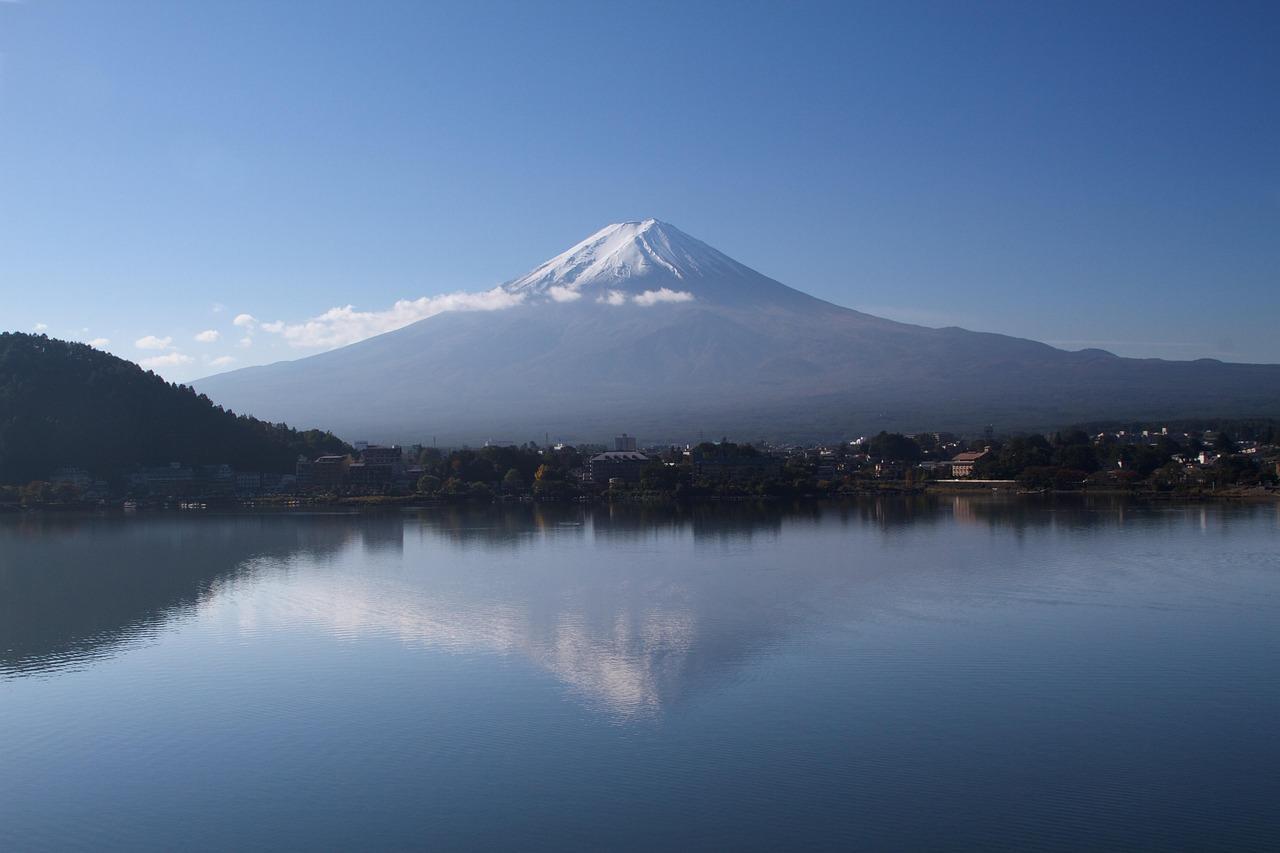
Mount Fuji reflected in Lake Kawaguchi on a clear morning
Mount Fuji from Lake Kawaguchi on a clear morning

Written & verified by

Anna Louise · Japan Travel Specialist

When Fuji is visible: choosing your season

Japan Guide says cloud hides Fuji's summit more often than not, that the colder winter months are usually clearer than summer, and that early mornings and late afternoons give the best chance of a view.

Cherry blossom season is a beautiful time, but Accessible Japan says it is one of Japan's busiest, with popular viewing spots crowded at weekends; early mornings and weekdays are calmer. See Japan cherry blossom with limited mobility.

Fuji's summit trails open only in summer, roughly early July to early September. You do not need them to see the mountain.

The Hakone Ropeway and Lake Ashi cruise
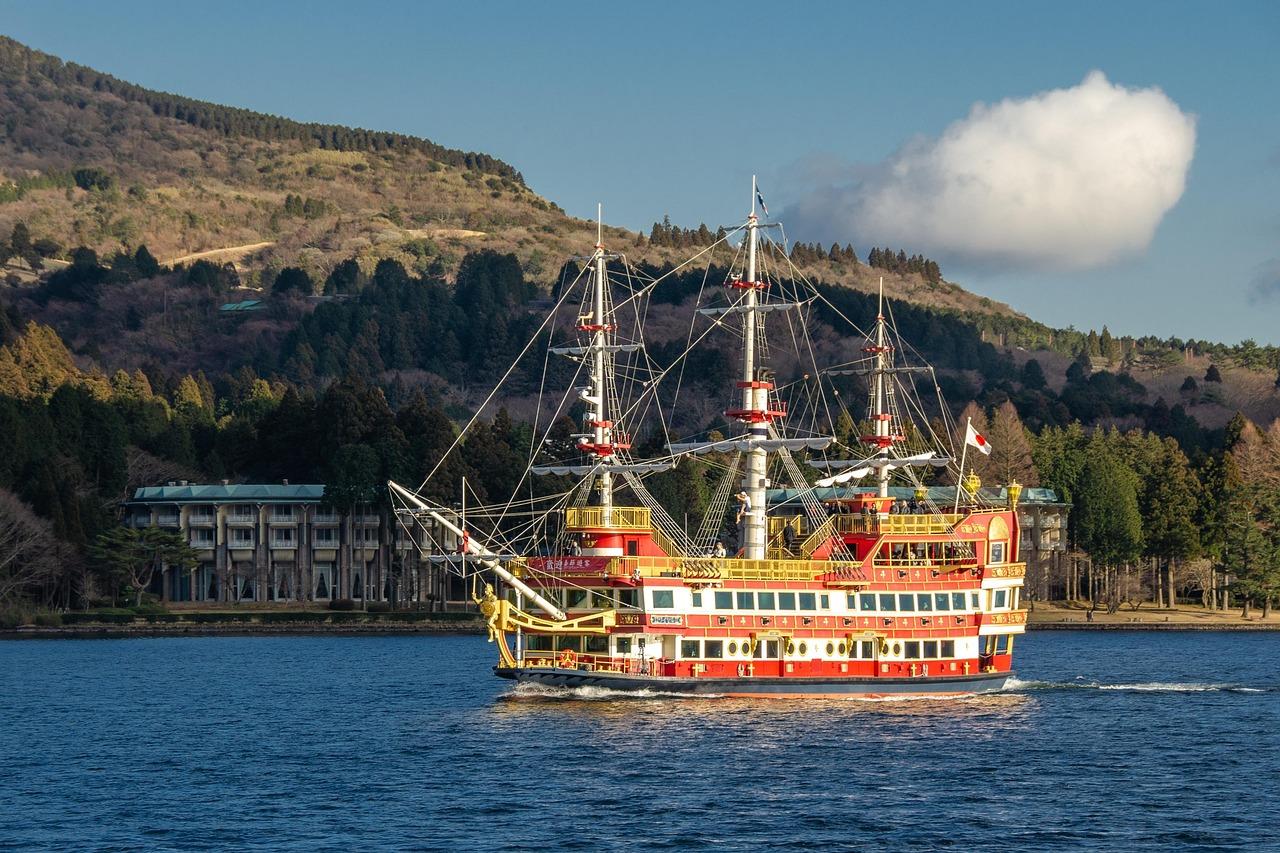
A sightseeing ship crossing Lake Ashi in Hakone
Lake Ashi sightseeing ships: wheelchair users can board in their own chair

Hakone is a popular base for seeing Fuji. Hakone Navi says wheelchair users can ride the Hakone Ropeway in their own wheelchair and each station lends wheelchairs free, and that on clear days Fuji can be seen from the ropeway and from Owakudani, one of its stations. The ropeway can be suspended for bad weather, strong winds or maintenance, so have a back-up plan.

Wheelchair users can also board all three Lake Ashi sightseeing ships in their wheelchair. Every ship has accessible toilets, and each port lends one wheelchair free.

One honest note: Accessible Japan says many roads around Hakone are very steep, so straying from the usual round course of train, cable car, ropeway and boat can be hard going. See Hakone with limited mobility for more.

Lake Kawaguchi: the boat, not the ropeway

At Lake Kawaguchi (Kawaguchiko), Yamanashi's official tourism site says the Appare sightseeing boat has a wheelchair slope and wheelchairs to borrow, and that older visitors and wheelchair users can ride with confidence.

The Mt Fuji Panoramic (Kachi Kachi) Ropeway at the same lake is harder: it says it has stairs, including 64 steps at the lakeside station, and that getting around in a wheelchair is difficult.

Kawaguchiko Station has an accessible toilet outside the ticket gates (none inside) and a gentle slope of about 4 m between the gates and the platform; tell staff in advance. Fujikyu says wheelchairs on its highway buses from Tokyo must be folded into the luggage hold, so if you need to stay in your chair, ask about other ways to get there.

The 5th Station and the Chureito Pagoda

Japan Guide says the Fuji Subaru Line 5th Station sits at about 2,300 m and is the only 5th station with a daily bus for most of the year. Private cars are barred for most of the summer climbing season, when shuttle buses run, and heavy snow can close the road in winter. Visitors who stay at a 5th station and do not head for the summit are exempt from the climbing rules, and there are public toilets at each 5th station trailhead.

The Chureito Pagoda, the classic photograph of Fuji behind a red pagoda, is not one for limited mobility: Fujiyoshida's tourism site says its observation deck is reached by 398 steps, about 25 minutes' walk from Shimoyoshida Station.

Mount Fuji with limited mobility: planning the day

Pick one base rather than trying to see Fuji from everywhere: Hakone's ropeway and lake ships, or Lake Kawaguchi's Appare boat. Go early, check the weather the evening before, and keep a plan B for a cloudy day or a stopped ropeway.

Our Japan Classic 14-day, Japan Highlights 9-day and Japan cherry blossom 12-day tours include Hakone. Tell us your needs and we will check the details for your dates. Send your case ahead with Japan luggage forwarding, and see our accessible holidays to Japan page and the Japan over-70s accessibility guide.

Facts checked by our Japan team on 20 November 2026.

Frequently asked questions

Can I see Mount Fuji with limited mobility without climbing it?

Yes. Wheelchair users can ride the Hakone Ropeway and board the Lake Ashi ships in their own chair, and Fuji can be seen from the ropeway and Owakudani on clear days. At Lake Kawaguchi, the Appare boat has a wheelchair slope. Winter mornings give the best chance of a clear view.

Is the Hakone Ropeway accessible for wheelchair users?

Hakone Navi says wheelchair users can ride the ropeway in their own wheelchair and each station lends wheelchairs free. It can be suspended for bad weather, strong winds or maintenance, so have a back-up plan.

What is the best time of year to see Mount Fuji clearly?

Japan Guide says the colder winter months are usually clearer than summer, and early mornings and late afternoons give the best chance of a view. Cloud hides the summit more often than not.

Is the Chureito Pagoda manageable with limited mobility?

No. Fujiyoshida's tourism site says the observation deck is reached by 398 steps, about 25 minutes' walk from Shimoyoshida Station. The Lake Ashi ships or the Appare boat on Lake Kawaguchi are better choices.

Can I visit the Fuji 5th Station without climbing?

Yes. The official climbing site says visitors who stay at a 5th station and do not head for the summit are exempt from the climbing rules, and there are public toilets at each 5th station trailhead. Japan Guide says the Fuji Subaru Line 5th Station has a daily bus for most of the year, and snow can close the road in winter.

Is the Kachi Kachi Ropeway at Lake Kawaguchi wheelchair friendly?

Not really. The ropeway says it has stairs, including 64 steps at the lakeside station, and that getting around in a wheelchair is difficult. The Appare sightseeing boat on the same lake has a wheelchair slope and wheelchairs to borrow.

Start your accessible holiday

Tell us your dates and any access needs

No obligation and no pressure. Share as much or as little as you like about how you travel — we will come back with honest, specific answers and a plan shaped around you.

Fields marked * are required. We will never share your details with third parties for marketing purposes.

Ready when you are

Related holidays

Ready to start planning?

Tell us what you have in mind and we will send a sample itinerary and a full quote — no obligation. Plan now, travel in 2027.

Mount Fuji with limited mobility: views without the climb | Holidays to Asia