Accessible Holidays to Asia

Accessible Japan

Nikko with limited mobility: an honest guide

Nikko is one of Japan's most atmospheric places — gilded shrine gates, ancient cedar avenues, a great waterfall above Lake Chuzenji — but if you have limited mobility or are thinking twice about all those steps, you need an honest account before you go.

Nikko with limited mobility requires careful planning. Some of the main sights are genuinely hard going: the approach to Toshogu alone involves a fairly steep road and then a long uphill gravel path before you even reach the gates. This guide tells you what is manageable, what is not, and how to make the most of a Nikko day without exhausting yourself.

The short answer

Nikko with limited mobility is challenging but partially manageable: Toshogu has a side entrance with a steep ramp, and ticket staff can guide wheelchair users there, though steps throughout limit how much of the shrine is reachable. Kegon Falls has a lift descending 100 metres to the viewing deck. Accessible Japan points wheelchair users to Tobu Nikko Station rather than JR Nikko. Plan carefully and expect effort.

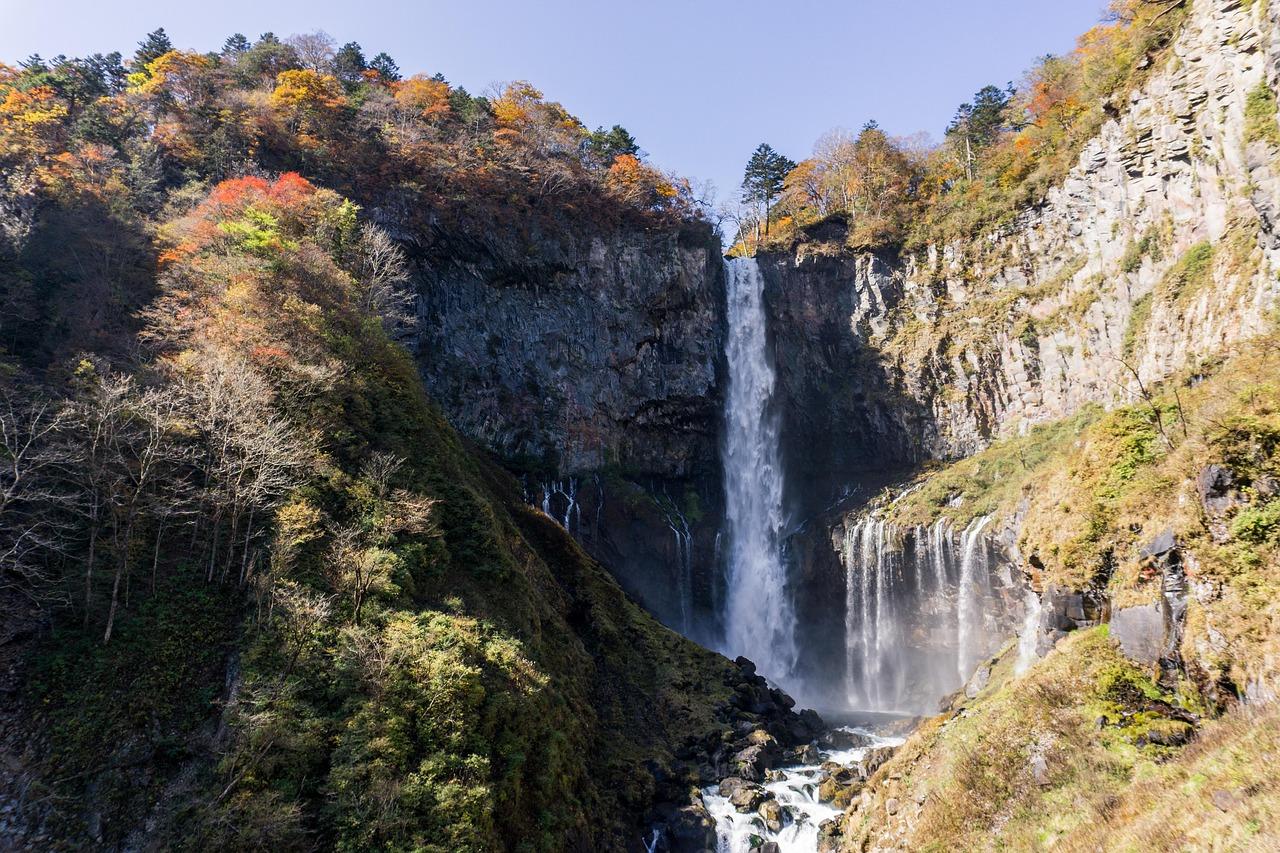
Kegon Falls dropping between cliffs and autumn trees near Lake Chuzenji, Nikko
Kegon Falls in autumn: a lift takes you down to a viewing deck near its base

Written & verified by

Anna Louise · Japan Travel Specialist

Getting to Nikko: which station to use

If you use a wheelchair, Accessible Japan points you to Tobu Nikko Station rather than JR Nikko Station. Not every Tobu Spacia train has a wheelchair space, so check current access with the railway before you travel.

From the station, the route to the shrine area involves a fairly steep road and then a long uphill path of thick gravel — a challenge for many visitors with mobility difficulties even before the shrines themselves begin. If walking any distance uphill on uneven ground is difficult for you, plan on a taxi rather than walking from the station, and expect some gravel and slope even then.

Our Japan holidays page shows the tours that take in Nikko.

Toshogu shrine: the side entrance and its limits
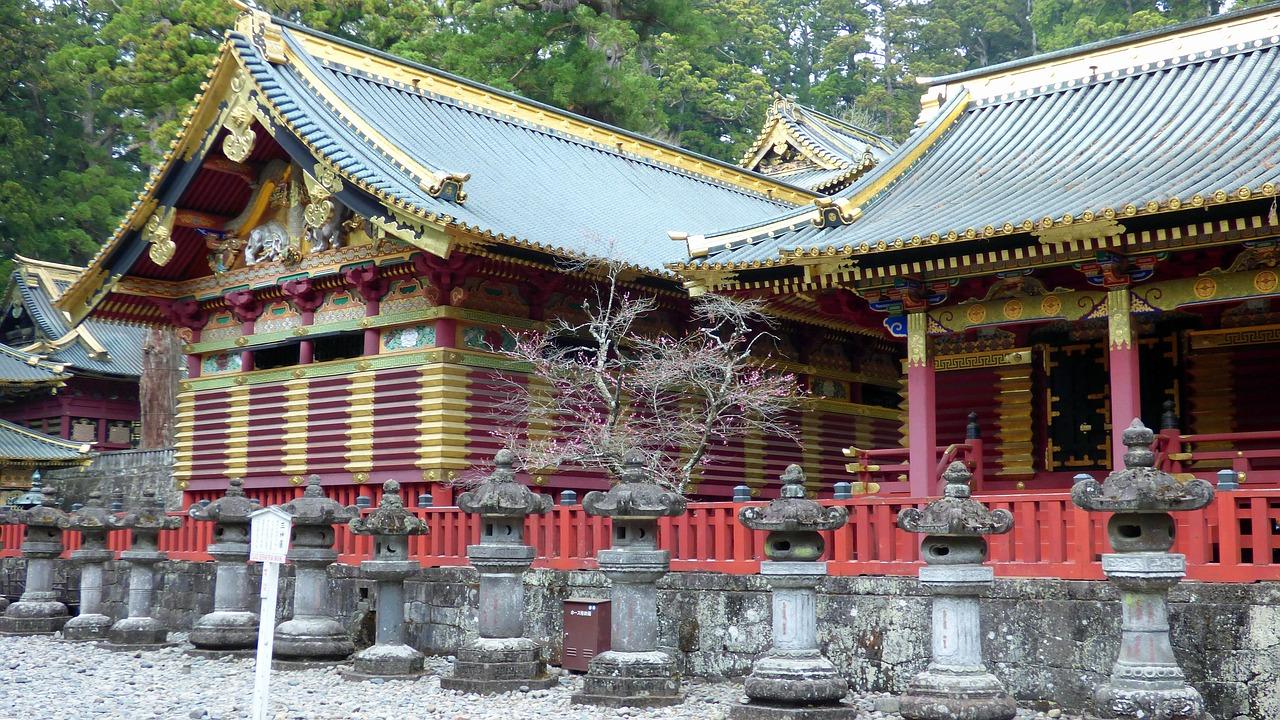
Stone lanterns on the gravel in front of a gilded hall at Toshogu, Nikko
Toshogu: much of the shrine is reached over gravel and steps

Toshogu is Nikko's centrepiece — an extraordinary complex of carved, lacquered buildings — but the access picture is an honest mixed one. At the ticket office, staff can guide wheelchair users to a side entrance. The ramp there is very steep and uneven, and once inside, the steep stairs to the main shrine have no handrails. Accessible Japan estimates that under half of the shrine can be seen by wheelchair.

Nikko City's own access survey found the area around Toshogu, Futarasan and Rinnoji is mostly slopes, with mostly gravel approaches and many steps of varying heights. The road just past Shinkyo Bridge is narrow with no pavement and you need to watch for cars.

One accessible highlight within the complex: Toshogu's newer treasure museum is wheelchair accessible with its own accessible toilet. There is also one accessible toilet near the path to the side entrance. If Toshogu's historic carvings are what you have come for, the museum is a worthwhile addition and can be reached by wheelchair.

Rinnoji and Futarasan

If you want to see more of the shrine complex beyond Toshogu, Rinnoji's museum can be reached by wheelchair, though only the first area of its garden is accessible. Futarasan Shrine's grounds are mostly manageable for wheelchair users, but the buildings themselves are not.

The path to Ieyasu's tomb — the Okumiya — at Toshogu is a long flight of stone stairs climbing through woods from Sakashitamon gate. This is not manageable with a wheelchair and is very demanding on anyone with limited mobility; it is worth leaving this out of the plan rather than attempting it and finding the steps too difficult partway up.

Kegon Falls: the lift is the highlight

Kegon Falls is the most rewarding part of a Nikko day for anyone with limited mobility. A lift descends 100 metres through the rock in about a minute, emerging on a viewing deck almost level with the pool at the base of the falls. The scale is extraordinary from down there. Allow for the walk between the bus stop or car park and the lift building when you plan the day.

To reach Kegon Falls from Nikko you travel up to Lake Chuzenji via the Irohazaka road, which has 48 hairpin bends. In autumn, traffic on this road can cause serious delays. Japan Guide advises avoiding weekends and public holidays and going early in the day if the autumn colour season is your reason for visiting.

For more on getting around Japan with limited mobility, see our guide to Japan with bad knees and our accessible holidays to Japan page.

Nikko with limited mobility: pacing the day

The honest advice is to pick two things and do them well, rather than attempting the full shrine circuit. The treasure museum at Toshogu and Kegon Falls together make a genuinely satisfying day: the museum can be reached by wheelchair, and the Falls viewing deck is reached by lift.

If you walk but find steep gravel and steps difficult, Futarasan's grounds, which Accessible Japan describes as mostly manageable, are worth seeing, but keep your energy for the Falls. The area around the shrines is mostly slopes and gravel, so wear shoes with a firm sole and allow more time than you think you need.

Tell us your needs and we will check the details for your dates. Our Japan Highlights and Japan in autumn tours both include a day in Nikko.

Facts checked by our Japan team on 20 November 2026.

Frequently asked questions

Is Nikko manageable with limited mobility?

Partly. Kegon Falls is the highlight for anyone with limited mobility: a lift descends 100 metres through the rock to a viewing deck near the base of the falls. Toshogu shrine is harder: the approach is steep gravel, the ramp to the side entrance is very steep and uneven, and stairs throughout limit how much is reachable. The shrine's newer treasure museum is wheelchair accessible and has its own accessible toilet — a worthwhile focus. Accessible Japan says Rinnoji's museum can be reached by wheelchair and Futarasan's grounds are mostly manageable, though Futarasan's buildings are not.

Which station should I use for Nikko with a wheelchair?

Accessible Japan points wheelchair users to Tobu Nikko Station rather than JR Nikko Station. Not every Tobu Spacia train has a wheelchair space, so check current access with the railway before you travel. If walking from the station to the shrine area is too much — the route involves a steep road and long gravel path — a taxi is a better plan than walking, though expect some gravel and slope even then.

Can I see Toshogu's carvings with limited mobility?

You can see part of the complex. Ticket staff can guide wheelchair users to a side entrance, though the ramp is very steep and uneven. The steep stairs to the main shrine have no handrails, and much of the shrine involves steps. The newer treasure museum at Toshogu is wheelchair accessible with its own accessible toilet and is a good way to engage with the history and artistry without the most difficult terrain. There is also one accessible toilet near the side-entrance path.

How does the Kegon Falls lift work?

A lift descends about 100 metres through the cliff in roughly a minute, bringing you to a viewing deck almost level with the pool at the base of the falls. The operator describes the descent as taking about a minute. It is one of the most rewarding moments in Nikko for anyone who finds walking hard. The falls are reached from Lake Chuzenji, which is up the Irohazaka road from Nikko — allow extra time in autumn when traffic on this road can be heavy.

Is the route to Ieyasu's tomb manageable?

No — not for anyone with limited mobility. The Okumiya (Ieyasu's tomb) is reached by a long flight of stone stairs climbing through forest from Sakashitamon gate. It is not reachable by wheelchair and is very demanding on anyone who finds steps difficult. We would suggest leaving this off the plan and spending that time at Kegon Falls or the Toshogu treasure museum instead.

What is the Irohazaka road like, and when should I avoid it?

The Irohazaka road up to Lake Chuzenji has 48 hairpin bends. In autumn, when the maple colour draws large crowds, traffic on this road can cause serious delays to cars and buses. Japan Guide advises avoiding weekends and public holidays during the autumn season and going early in the day.

Start your accessible holiday

Tell us your dates and any access needs

No obligation and no pressure. Share as much or as little as you like about how you travel — we will come back with honest, specific answers and a plan shaped around you.

Fields marked * are required. We will never share your details with third parties for marketing purposes.

Ready when you are

Related holidays

Ready to start planning?

Tell us what you have in mind and we will send a sample itinerary and a full quote — no obligation. Plan now, travel in 2027.

Nikko with limited mobility: an honest guide | Holidays to Asia