Osaka Metro: lifts at every station
Osaka Metro states that all 133 of its Metro and New Tram stations have at least one lift route from street to platform. Every station also carries folding boarding ramps, and one ticket gate at each station is wider. This is notably comprehensive: in practice it means that wherever you want to go on the Metro network, there is a lift route available, though you may need to check the station map to find the right exit.
If you are travelling with a wheelchair or find stairs difficult, our specialists advise downloading the Osaka Metro map before you travel and checking which exit has the lift for your destination. Station staff are generally helpful if you need guidance at the gates.
Getting around Osaka: taxis and walking
For days when the Metro feels like too much, Universal Design (UD) taxis are available in Osaka. These have ramps, handrails, higher roofs and sliding doors, and charge the same fares as ordinary taxis. Allow an extra 10 to 15 minutes for the ramp to be set up. Standard Japanese taxis generally cannot carry electric wheelchairs, so a UD taxi or specialist vehicle is needed if you use a power chair.
Dotonbori, Osaka's famous canal district, is largely flat and walkable, though it can be very busy in the evenings. Namba and Shinsaibashi, the main shopping areas, are also mostly level. The older Shinsekai district has more uneven pavements in places. If walking tires you, Osaka's covered shopping arcades — called shōtengai — are air-conditioned and have plenty of places to sit inside cafés and shops.
For anyone with a bad back or who finds carrying luggage difficult, Japan's takkyubin luggage forwarding service sends bags ahead from hotel to hotel, usually next-day — useful if you are continuing from Osaka to Kyoto or Hiroshima. Hotels arrange this at the front desk. See our guide to Japan with bad knees for more on this service.
Osaka's sights: what to expect on the ground
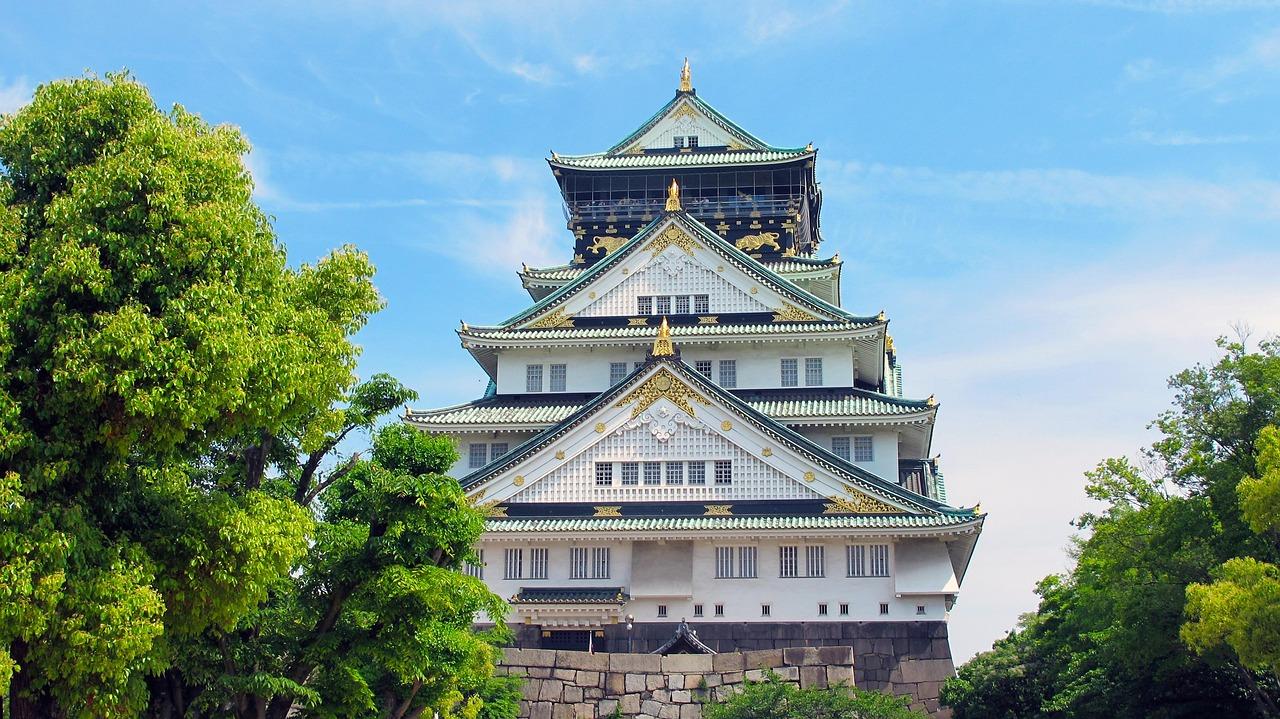
Osaka Castle sits on a slight rise, and the main keep involves lifts inside the building, but reaching the castle from the park gate involves a gradual slope and some stone-paved areas. The castle park itself is largely flat and pleasant to walk through at a gentle pace. Our specialists advise checking the specific access route with the castle before you travel.
Dotonbori canal-side is flat and easy. The famous Glico Running Man sign and the canal are best seen in the evening when the neon comes on; the area is accessible by Metro (Namba station, with a lift route) or by taxi. Avoid the busiest weekend evenings if large crowds make movement difficult.
Sumiyoshi Taisha, Osaka's oldest shrine, has some steps at its distinctive arched bridge — a steep climb that is optional, as the shrine grounds can be enjoyed without crossing it. The main approach is paved and largely level.
Osaka with limited mobility: the gentle way round
Osaka suits a gentle pace well. The Metro's universal lift access means you are not forced to walk long distances between sights, and the city's flat canal districts give you something to explore at your own speed. For visitors who can walk but tire easily, one or two sights a day with rests in between is entirely comfortable.
Multipurpose accessible toilets — with space, handrails and no cistern to lean on, so bring your own support if needed — are found at Metro stations, tourist sights and department stores throughout the city. Avoid the peak morning rush (around 07:30 to 09:30) and evening rush (17:00 to 19:30) on the Metro if crowded lifts are difficult.
For anyone considering Osaka as part of a wider Japan itinerary, it pairs naturally with Kyoto — 15 minutes by Shinkansen — and Hiroshima, two hours away. Our guide to Kyoto in a wheelchair and Hiroshima and Miyajima in a wheelchair cover the access detail for both. See our accessible holidays in Japan page for the wider picture.
Osaka and the Japan tours we sell
Osaka features in several of our Japan itineraries. The Japan Grand Tour 18-day gives the most time across Japan's key cities, including Osaka. The Japan Classic 14-day covers Tokyo, Kyoto and beyond, with flexibility to include Osaka days. If you are specifically focused on the Kansai region — Osaka, Kyoto and Nara — the Japan Highlights 9-day is a focused option.
Every holiday is private and tailor-made, so if you need a slower day in Osaka, or want to plan around specific access requirements, say so when you enquire. Tell us your dates and we will price it for you.
Facts checked by our Japan team on 19 November 2026.
