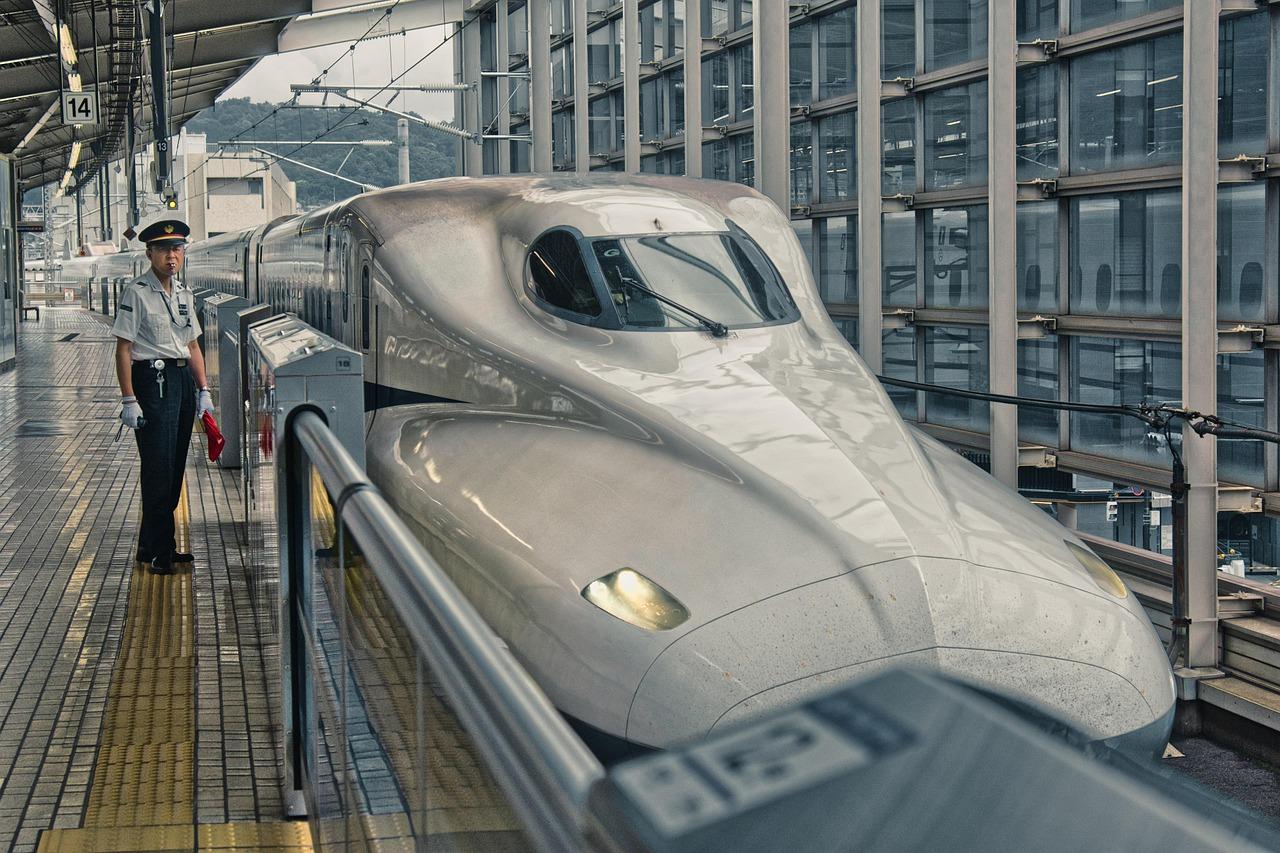
Power wheelchairs on Japan's bullet trains
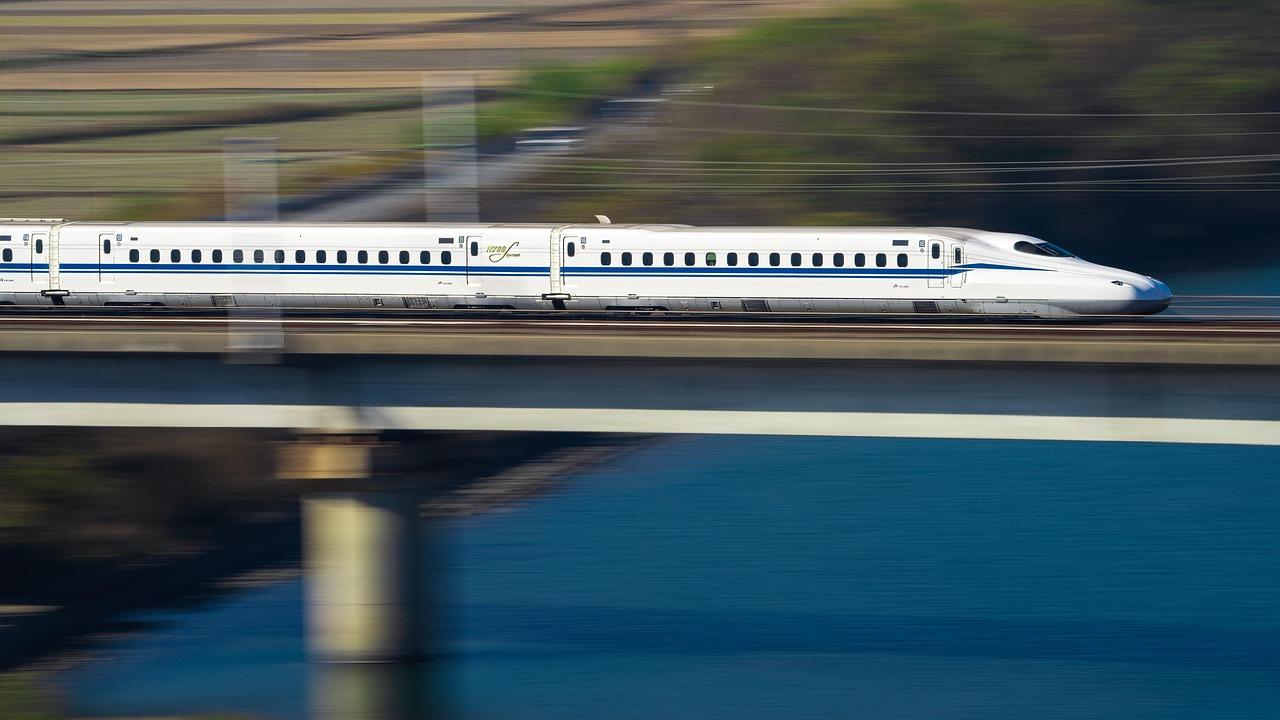
Japan's Shinkansen is the most practical way to travel between cities, and wheelchair spaces can be booked, but the size rules matter. JR West accepts wheelchairs on its trains when they are no more than 120 cm long or high and no more than 70 cm wide, so check your chair's exact dimensions before you plan the route.
On Tokaido, Sanyo and Kyushu Shinkansen trains, wheelchair spaces and companion seats can be booked through the Smart EX online system, with sales opening at 10:00 one month before travel. JR West station staff can escort wheelchair users to the platform and lay a boarding plate across the gap; this needs arranging with the station in advance. It is also worth asking staff at your destination station to be ready when you arrive, so help is waiting at both ends.
JR West warns that boarding may have to wait when trains are crowded or services are disrupted, and asks wheelchair users to leave plenty of time on the day of travel.
Taxis and transfers with a power wheelchair
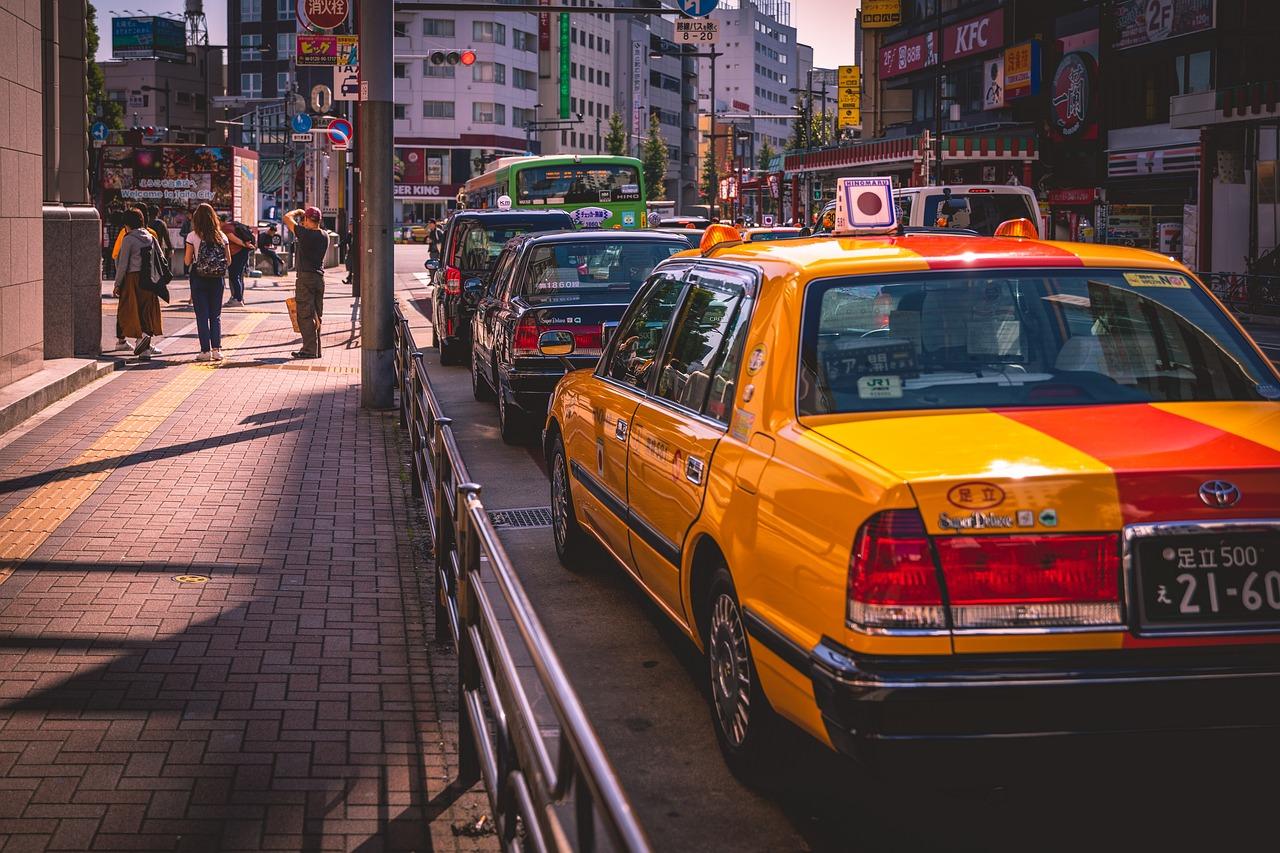
This is the most significant practical challenge for power wheelchair users in Japan. Most standard Japanese taxis cannot carry passengers who use electric wheelchairs, so a Universal Design (UD) taxi or specialist vehicle is needed instead. UD taxis have higher roofs, ramps, handrails and sliding doors, and charge the same fares as ordinary taxis.
In Tokyo's 23 wards, Musashino and Mitaka, Uber Assist books Universal Design taxis; wheelchairs must be within 120 cm long, 130 cm high and 70 cm wide. Allow an extra 10 to 15 minutes for the ramp to be set up. Uber Assist covers only those areas, so elsewhere ask your hotel to arrange a suitable taxi in advance.
Within cities, the subways have lifts: Osaka Metro says all 133 of its Metro and New Tram stations have at least one lift route from street to platform, and every Kyoto City Subway station has lifts. Kyoto's newest city buses are low-floor, but some routes still run high-floor buses, so check before relying on them.
Ferries and island access
Where the Japan Grand Tour visits Naoshima art island, the ferry arrangements are encouraging. The operator Shikoku Kisen says wheelchair users can board all its boats, and the car ferries have a lift between decks, though it cannot be used while sailing; every car ferry also has a multi-purpose accessible toilet. Ferries cannot be booked in advance, so boarding is first come, first served.
For Miyajima near Hiroshima, the JR ferry route is the right choice for wheelchair users: from JR Miyajimaguchi station there is a route avoiding stairs, using a slope and a lift to an underpass, with staff available to help wheelchair users board. The boat from Hiroshima Peace Memorial Park to Miyajima is not suitable for wheelchair users because of steps at the dock, so the Miyajimaguchi ferry is the alternative.
On Miyajima, 15 free wheelchairs are lent at the ferry terminal information centre, ramps link the areas of Itsukushima Shrine, and the street from the ferry to the shrine is gravel.
Airports: wheelchair assistance and loans
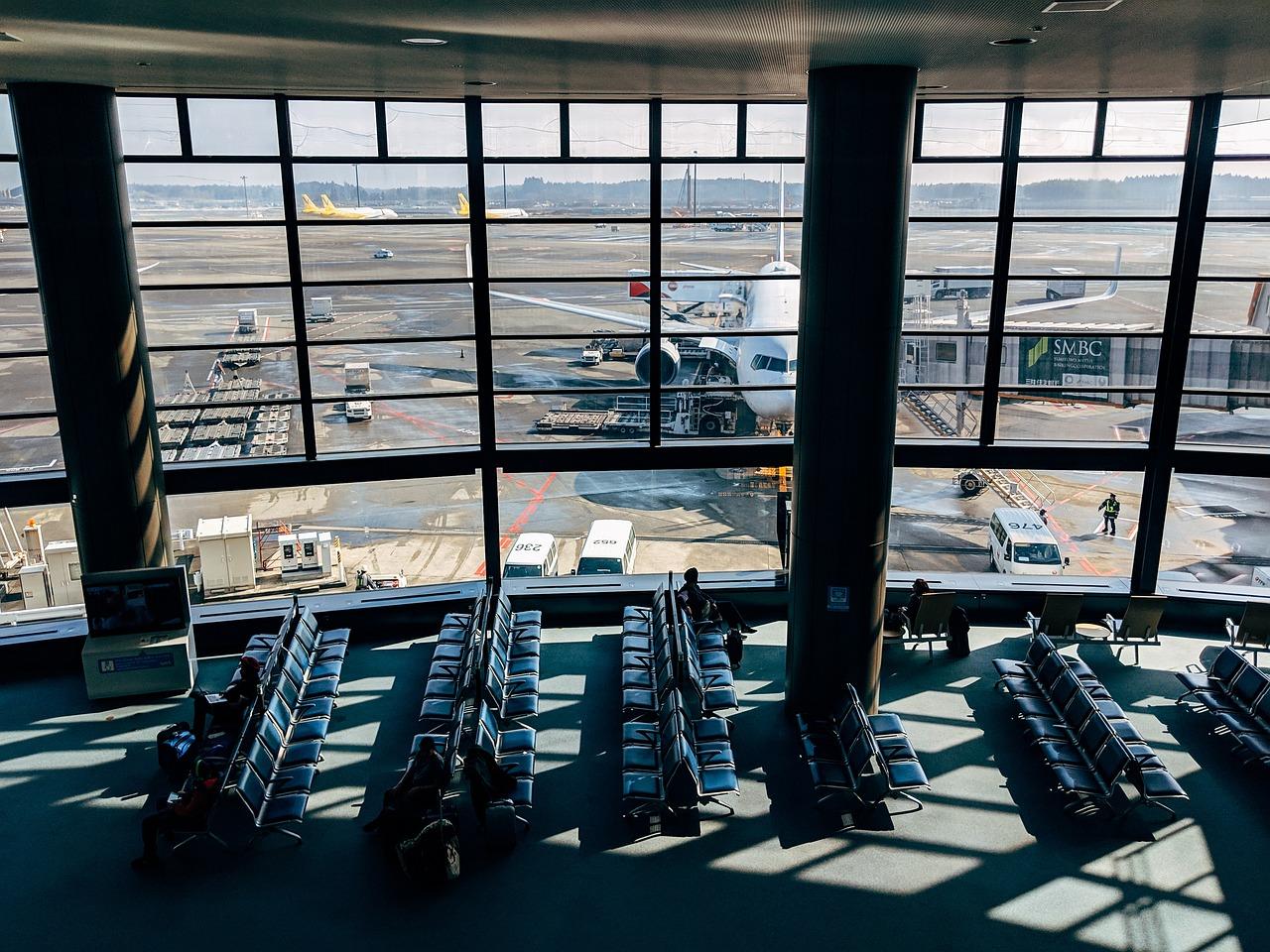
Japan's main international airports handle wheelchairs differently. Narita Airport lends wheelchairs free at any information counter in its passenger terminals, and arriving passengers can borrow one once through passport control and customs. Haneda Airport's information counters rent wheelchairs that can be used right up to your seat on the plane, and staff can bring one to a chosen point in the terminal.
Since August 2024, Kansai Airports has run a wheelchair assistance service for flights using Terminal 1, requested through your airline or its ground handler. At UK airports, assistance is free; ask your airline about 48 hours ahead.
For your own power wheelchair, check your airline's rules on the chair and its battery well before you book, as they decide whether the chair can travel.
Sights: where power chairs can go and where they cannot
The honest picture is that Japan's most visited sights vary enormously. At Todai-ji in Nara, wheelchair users enter the Great Buddha Hall by a slope to the left of the front entrance, and the security office lends manual wheelchairs. At Senso-ji in Tokyo, the main hall has a lift on its left side, with a ramp, though some smaller halls have stairs only; the Nakamise shopping street leading up is narrow and slow with crowds.
At Nijo Castle in Kyoto, most paths are gravel — hard for a manual chair and occasionally a problem for power chairs that can get stuck. The castle lends power-assisted wheelchairs, but these are not the same as a full electric power chair and work only when a companion pushes. Wheelchair users can visit the Ninomaru Palace by ramp, but must transfer into the castle's indoor wheelchair; staff may not allow entry to anyone who cannot make that transfer. The same honest note applies at Himeji Castle: the outer grounds are flat as far as the ticket gate, but beyond that paths become steeper and uneven, and you cannot take a wheelchair of any kind into the castle buildings.
Fushimi Inari's lower shrine has fairly steep ramps beside its stairs, and a lift behind the main shrine reaches the start of the torii tunnel during limited daytime hours. The walk to the summit takes two to three hours and is not a wheelchair route. At Kinkaku-ji, a gently sloping road leads in and the path to the pavilion is gravel over firm ground; wheelchair users can view the pavilion and the rear garden, but steps block much of the garden. The key principle throughout Japan is to know exactly which parts of a sight are accessible before you go, rather than assuming a general access rating covers your chair.
Rest, toilets and hiring a chair
Power wheelchair users who also have limited upper-body strength or reduced stamina face an additional layer of planning. The Tokaido and Sanyo Shinkansen trains have a multipurpose room, and JR West says passengers with disabilities should be given priority to use it — useful for a rest or for personal care on longer journeys. The Tokyo Help Mark, a red tag available from Toei Subway station offices, signals that the wearer may need help even when it is not obvious; it is worth carrying one.
Public benches are uncommon in Tokyo, so cafés and convenience stores are the usual places to sit and rest between sights. Multipurpose toilets are found in most stations and at tourist sights, public buildings, department stores and larger supermarkets; many have no cistern or backrest to lean on, which can be relevant for people who need support when transferring.
Wheelchair hire in Japan must be booked in advance, with some suppliers asking for up to two weeks' notice, and manual wheelchairs are the most widely available. If your own chair is too large for some trains, a hired manual chair for those journeys is one practical answer. See our accessible Japan holidays page and our guide to wheelchair hire in Japan.
Tell us your needs and we will check the details for your dates.
Facts checked by our Japan team on 23 November 2026.
