Booking a hire wheelchair before you travel
Wheelchair and hoist rental in Japan must be booked in advance, with some suppliers asking for up to two weeks' notice; manual wheelchairs are the most widely available. If you use a power chair at home, start looking early.
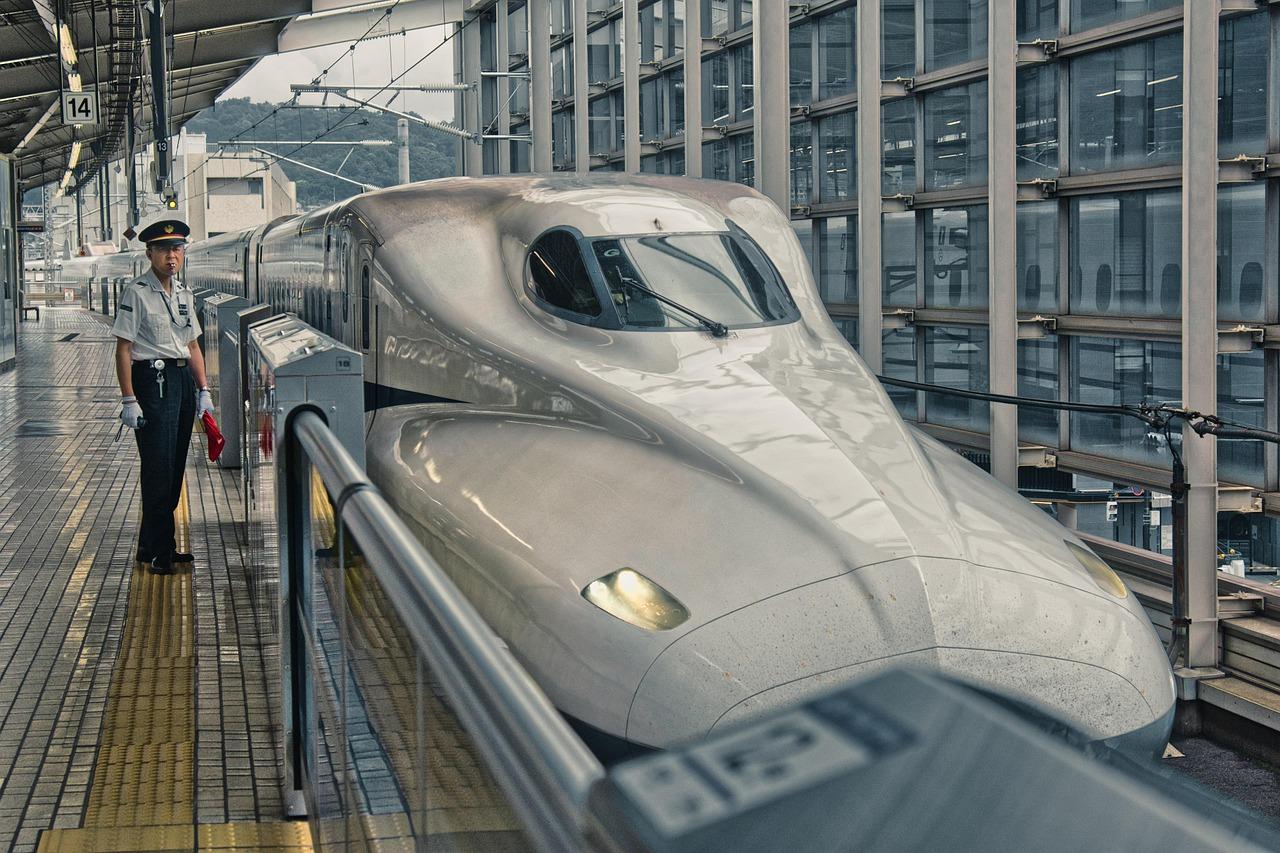
Whatever chair you use, check its size before you travel: JR West accepts wheelchairs on its trains when they are no more than 120 cm long or high and no more than 70 cm wide. You can ride the Hakone Ropeway in your own wheelchair, and the JR ferry to Miyajima has wheelchair areas on its first deck. If you use an electric wheelchair, note that most standard Japanese taxis cannot carry you: a Universal Design (UD) taxi or specialist vehicle is needed instead.
Free wheelchair loans at airports
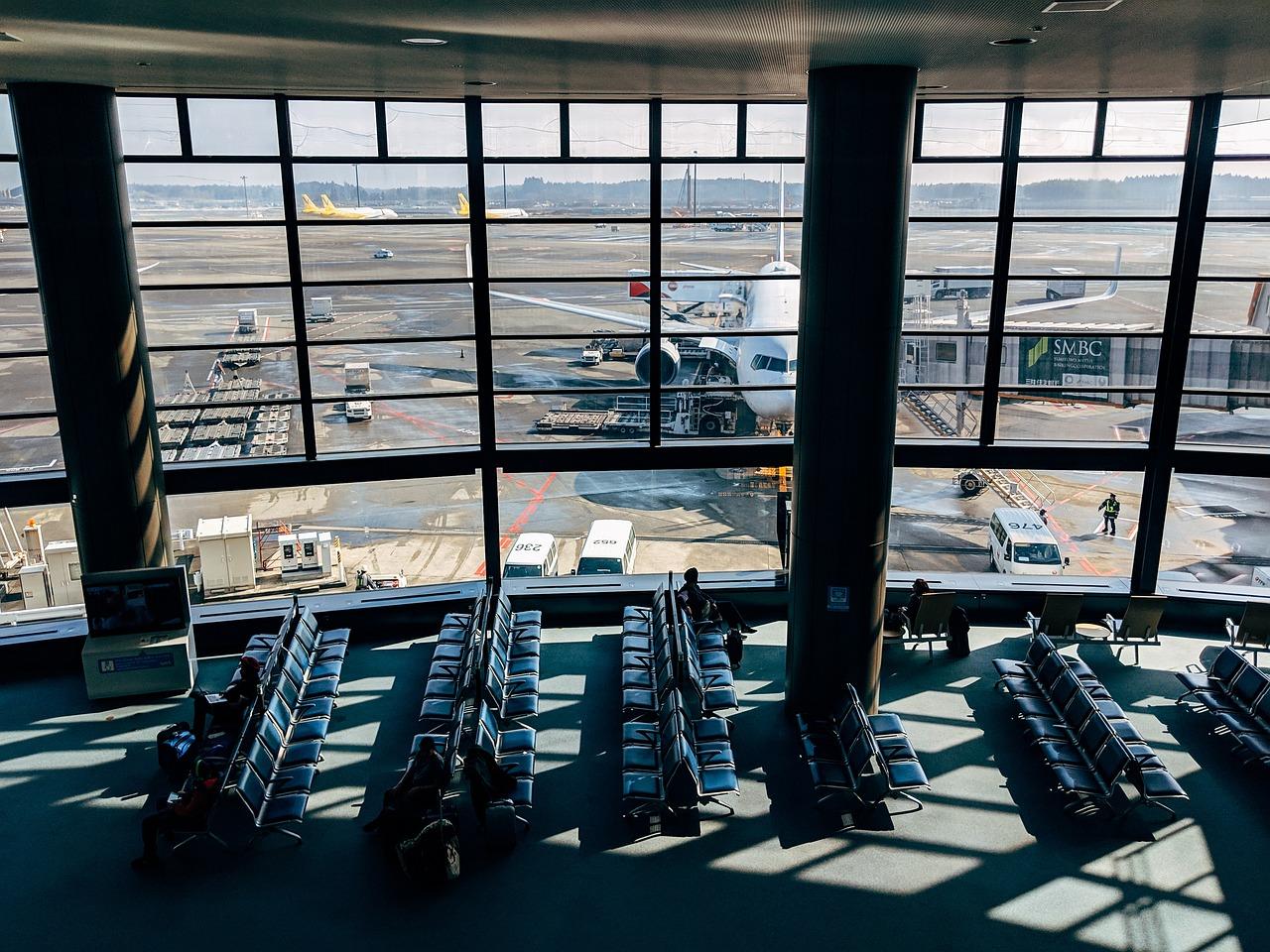
If you need a chair only for the airport, Japan's main international airports can help. Narita Airport lends wheelchairs free at any information counter in its passenger terminals, and arriving passengers can borrow one once through passport control and customs. Haneda Airport's information counters rent wheelchairs that can be used right up to your seat on the plane, and staff can bring one to a chosen point in the terminal.
Since August 2024, Kansai International Airport has run a wheelchair assistance service for flights using Terminal 1, requested through your airline or its ground handler. At UK airports, assistance is free; ask your airline about 48 hours before you fly.
See our guide to Japan airport assistance for the full picture on requesting help at each terminal.
Free loans at the sights
Many of Japan's most visited sights lend wheelchairs free on arrival, though numbers are always limited and you cannot reserve them. It is worth knowing what is available so you can plan which days to bring your own hired chair and which days to rely on a loan.
At temples, gardens and museums: Todai-ji in Nara lends wheelchairs from the security office in front of the central gate. Kenrokuen garden in Kanazawa lends wheelchairs and mobility aids, including electric wheelchairs, at four of its gates. The 21st Century Museum of Contemporary Art in Kanazawa has wheelchairs at three points in the building. On Koyasan, loan wheelchairs are kept at Okunoin (7), Kongobuji (6) and Danjo Garan (3), mainly for indoor use.
At castles: Osaka Castle's keep lends five wheelchairs for use inside, first come first served, and Osaka Castle Park Center lends wheelchairs for the park. Kanazawa Castle Park lends free chairs at three points, returnable at any of them. Nijo Castle in Kyoto lends power-assisted wheelchairs from its General Information Desk; numbers are limited and you cannot reserve one.
On the water and in the mountains: all three Hakone sightseeing ships on Lake Ashi lend one wheelchair free at each port. Each station on the Hakone Ropeway also lends wheelchairs free. On Miyajima island, 15 free wheelchairs are available at the ferry terminal information centre.
Getting around in a hired wheelchair
Once you have a chair, Japan's transport network is more manageable than many people expect. Osaka Metro says all 133 of its Metro and New Tram stations have at least one lift route from street to platform. Every Kyoto City Subway station has lifts. Tokyo's subway has a lift route at effectively every station, though the lift can be a walk from your exit — check the station map.
On the bullet train, wheelchair spaces and companion seats can be booked online through Smart EX on Tokaido, Sanyo and Kyushu Shinkansen services, with sales opening one month ahead. JR West station staff can escort wheelchair users to the platform and lay a boarding plate across the gap; arrange this with the station in advance. JR West asks wheelchair users to leave plenty of time and warns that boarding may have to wait when trains are crowded. If you tell staff your destination, someone at the other end can be ready to help you off.
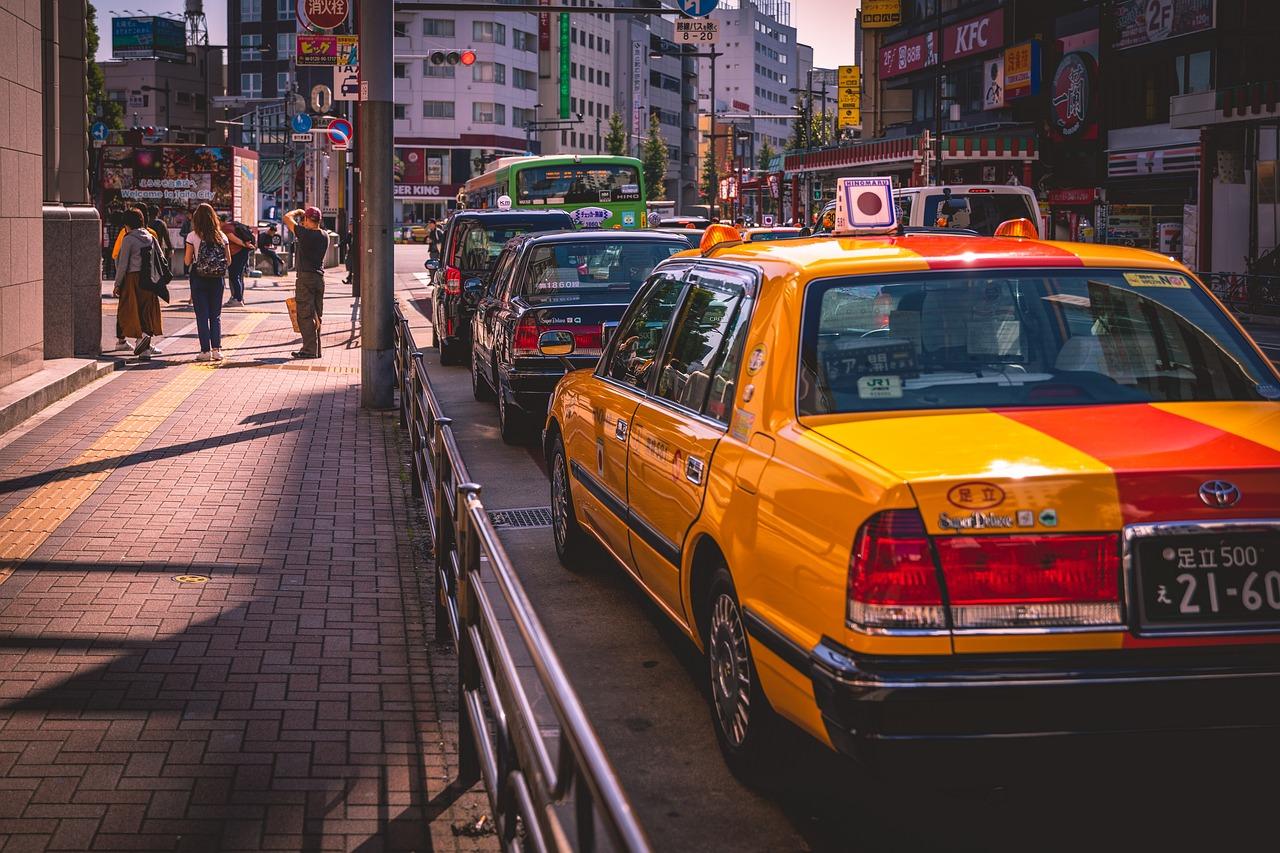
For taxis between sights, Tokyo's Universal Design (UD) taxis have higher roofs, ramps, handrails and sliding doors, and charge the same fares as ordinary taxis; allow an extra 10 to 15 minutes for the ramp to be set up. Uber Assist books UD taxis in Tokyo's 23 wards, Musashino and Mitaka; wheelchairs must be within 120 cm long, 130 cm high and 70 cm wide. See our guide to accessible taxis in Japan.
For more on getting around Japan's cities from a wheelchair, see our guides to Tokyo with limited mobility, Kyoto in a wheelchair and Osaka with limited mobility, and our accessible Japan holidays page.
Tell us your needs and we will check the details for your dates.
Facts checked by our Japan team on 22 November 2026.
