Accessible Holidays to Asia

Japan with limited mobility

Japanese tea ceremony with bad knees: what to ask for

A tea ceremony is one of the quietest pleasures of a visit to Japan, and the worry is usually the floor: guests ideally kneel, and that is hard on bad knees.

This guide to a Japanese tea ceremony with bad knees explains the chair style, which venues are listed as having chairs, how long sessions last and what to ask before you book.

The short answer

You can enjoy a Japanese tea ceremony with bad knees by choosing one with chairs. Traditionally guests kneel on a tatami floor, which is hard on the knees, but the ryurei style uses chairs and tables. Japan's tourism board lists Tokyo venues with chair seating, and visitor sessions there run from about 20 to 90 minutes. Ask for a chair before you book.

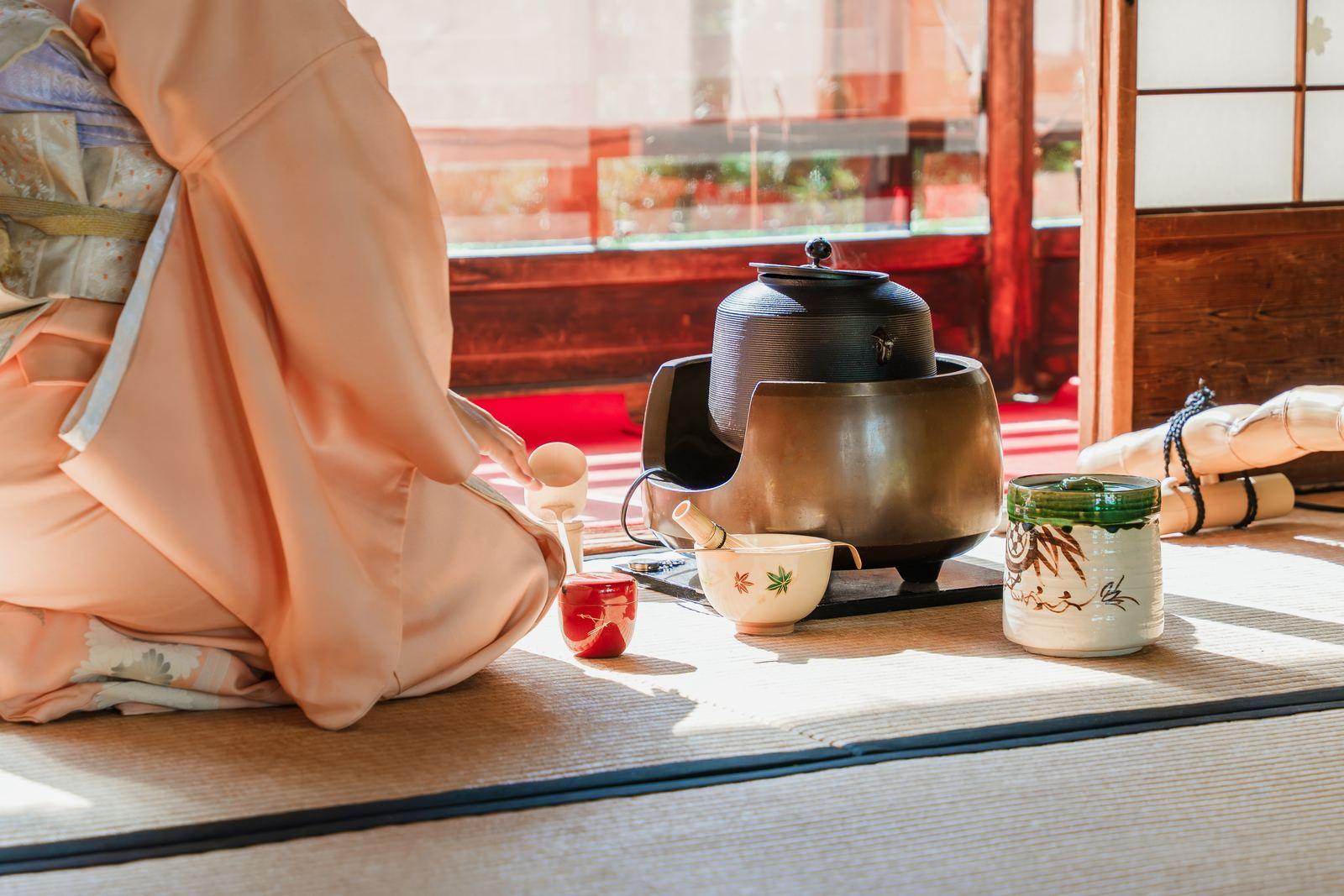
A tea ceremony being prepared on the tatami of a traditional Japanese room
A tea ceremony being prepared on tatami

Written & verified by

Anna Louise · Japan Travel Specialist

Why kneeling is the usual way

In a traditional tea ceremony, guests ideally kneel in the seiza position on a tatami mat floor, which is hard on bad knees.

A full formal ceremony starts with a kaiseki meal and lasts several hours. Most ceremonies today, and those put on for visitors, are much shorter versions.

Ryurei: the tea ceremony with chairs
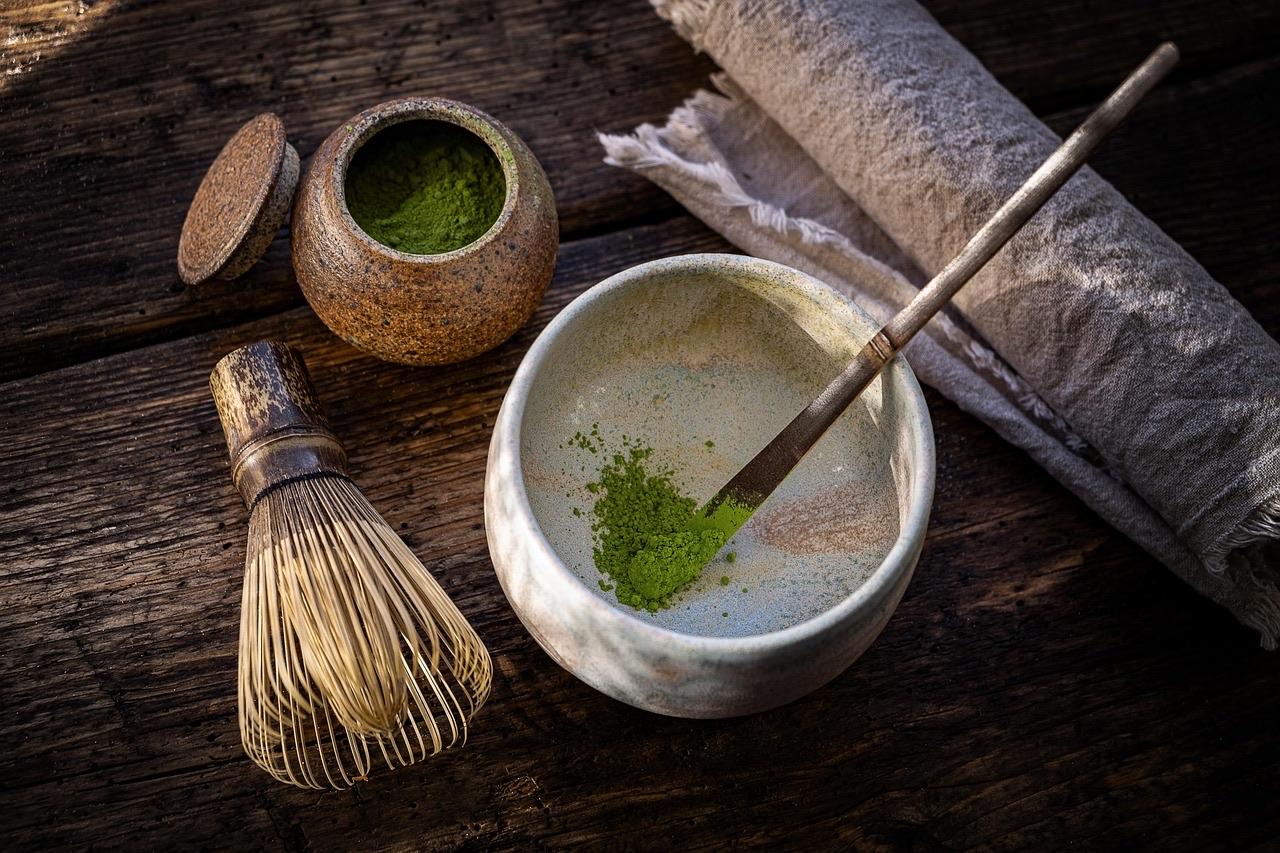
A tea bowl of matcha with a bamboo whisk, as used in a Japanese tea ceremony
Matcha and the bamboo whisk used to make it

Ryurei is a style of tea ceremony done with chairs and tables, so guests sit on chairs and do not kneel on the floor. It is the word to use when you ask.

In Kyoto, the Urasenke Chado Research Center serves ryurei-style tea in sessions of 30 minutes, for exhibition visitors only.

For Tokyo, the Japan National Tourism Organization's list (February 2024) includes two with chairs: at the Suntory Museum of Art's Gencho-an you can sit on a chair or on tatami (about 20 minutes), and Happo-en's Mu-an has a formal ceremony on chairs (about 30 minutes). Check with the venue before you go, as sessions change.

How long it takes

Visitor sessions on the same Tokyo list run from about 20 minutes to 90 minutes. For example, the Imperial Hotel's formal ceremony takes about 30 minutes, and its lecture where you make tea in a tatami room takes 60 to 90 minutes.

If sitting for long is hard for you, start with one of the shorter sessions, and ask how much of it is on the floor.

If you use a wheelchair

The tourism organization's list gives the tea experience at Asakusa Jidaiya in Tokyo, about 45 minutes, as being in a room accessible to wheelchair users.

Some tea houses will not work. At Hamarikyu in Tokyo, wheelchair users cannot get inside the tea house on the pond and can only view it from outside; see Hamarikyu Gardens with limited mobility. In Kyoto, most traditional tea houses and restaurants in Gion have steps; see Gion with limited mobility.

What to ask before you book

Is there chair seating, or is everything on tatami? How long does it last? Are there steps at the door or inside? Is there somewhere to sit while you take your shoes off, if you need to?

A tea ceremony is part of three of our private Japan tours: Japan Classic, Japan Highlights and the Japan Grand Tour. If you cannot kneel, say so when you enquire.

For more on sore knees see Japan with bad knees; wheelchair users will find more on our accessible Japan holidays page. Tell us your needs and we will check the details for your dates.

Facts checked by our Japan team on 24 November 2026.

Frequently asked questions

Can I do a Japanese tea ceremony if I cannot kneel?

Yes, if you choose a ceremony with chairs. The ryurei style is done with chairs and tables, so guests do not kneel on the floor.

How long is a tea ceremony for visitors?

On the Japan National Tourism Organization's Tokyo list (February 2024), visitor sessions run from about 20 minutes to 90 minutes. A full formal ceremony starts with a kaiseki meal and lasts several hours.

Is there a tea ceremony for wheelchair users?

The same list gives the tea experience at Asakusa Jidaiya in Tokyo as being in a room accessible to wheelchair users. Check with the venue before you go. Some tea houses, such as the one at Hamarikyu, cannot be entered in a wheelchair.

Where in Tokyo can I sit on a chair for a tea ceremony?

The tourism organization's list (February 2024) includes the Suntory Museum of Art's Gencho-an, where you can sit on a chair or on tatami, and Happo-en's Mu-an, which has a formal ceremony on chairs.

Where in Kyoto can I sit on a chair for a tea ceremony?

The Urasenke Chado Research Center serves ryurei-style tea, with chairs and tables, in sessions of 30 minutes. It is for exhibition visitors only.

What is ryurei?

A style of tea ceremony done with chairs and tables, so guests sit on chairs and do not kneel on the floor.

Start your accessible holiday

Tell us your dates and any access needs

No obligation and no pressure. Share as much or as little as you like about how you travel — we will come back with honest, specific answers and a plan shaped around you.

Fields marked * are required. We will never share your details with third parties for marketing purposes.

Ready when you are

Related holidays

Ready to start planning?

Tell us what you have in mind and we will send a sample itinerary and a full quote — no obligation. Plan now, travel in 2027.

Japanese tea ceremony with bad knees: what to ask for | Holidays to Asia