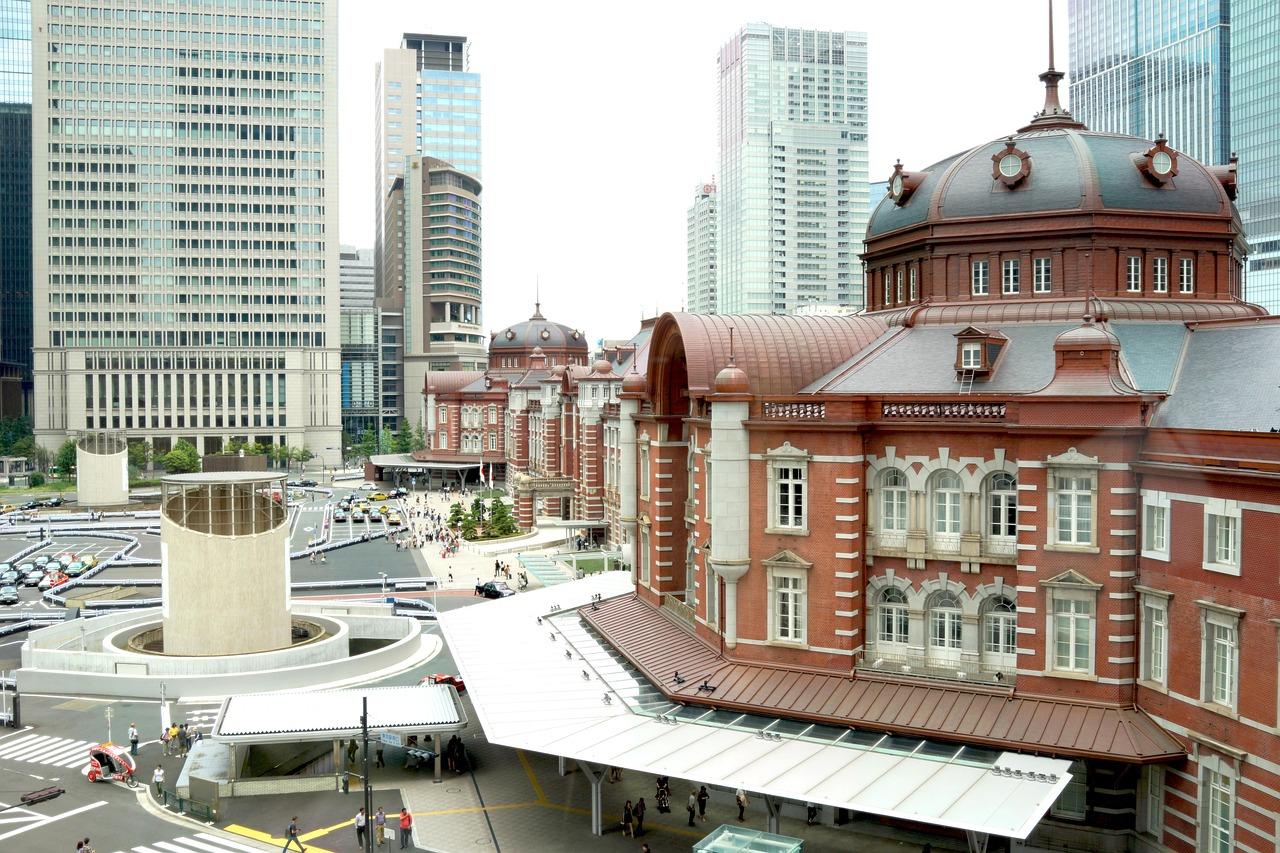
Lifts on the Tokyo subway network
There is a lift route to the platform at effectively every Tokyo subway station, but the lift is sometimes a walk from the exit you want, which can mean a longer route at street level or through the station. Before each journey, check the station map, on the operator websites or in an app, and work out which exit has the lift.
At Asakusa station on the Ginza Line, for example, the platform lift is on one side only, so wheelchair users may need to switch direction at another station. It is worth looking this up for each journey the day before.
Tokyo is on our Japan Classic and Japan Grand Tour holidays, among others.
Station staff and rush hours
Wheelchair users can ask station staff for help boarding a train. If you tell them your destination, staff there can be ready to help you off when you arrive, which takes much of the worry out of travelling on your own.
Avoid the morning and evening rush hours, roughly 07:30 to 09:30 and 17:00 to 19:30, when trains are very crowded. Mid-morning and mid-afternoon are calmer.
If you use a power wheelchair, check your chair's size against each operator's published limits before you travel. As an example of the kind of limit you will meet, JR West accepts wheelchairs on its trains when they are no more than 120 cm long or high and no more than 70 cm wide.
Accessible toilets and places to rest
Multipurpose toilets, called tamokuteki toire, are found in most stations and at tourist sights, public buildings, department stores and larger supermarkets. Many have no cistern or backrest to lean on.
Public benches are uncommon in Tokyo, so cafés and convenience stores are the usual places to sit down and rest between sights.
Our guide to Tokyo with limited mobility covers the main sights in more detail, and our guide to accessible hotels in Japan covers what to ask when booking your room.
When the subway is not the easiest option
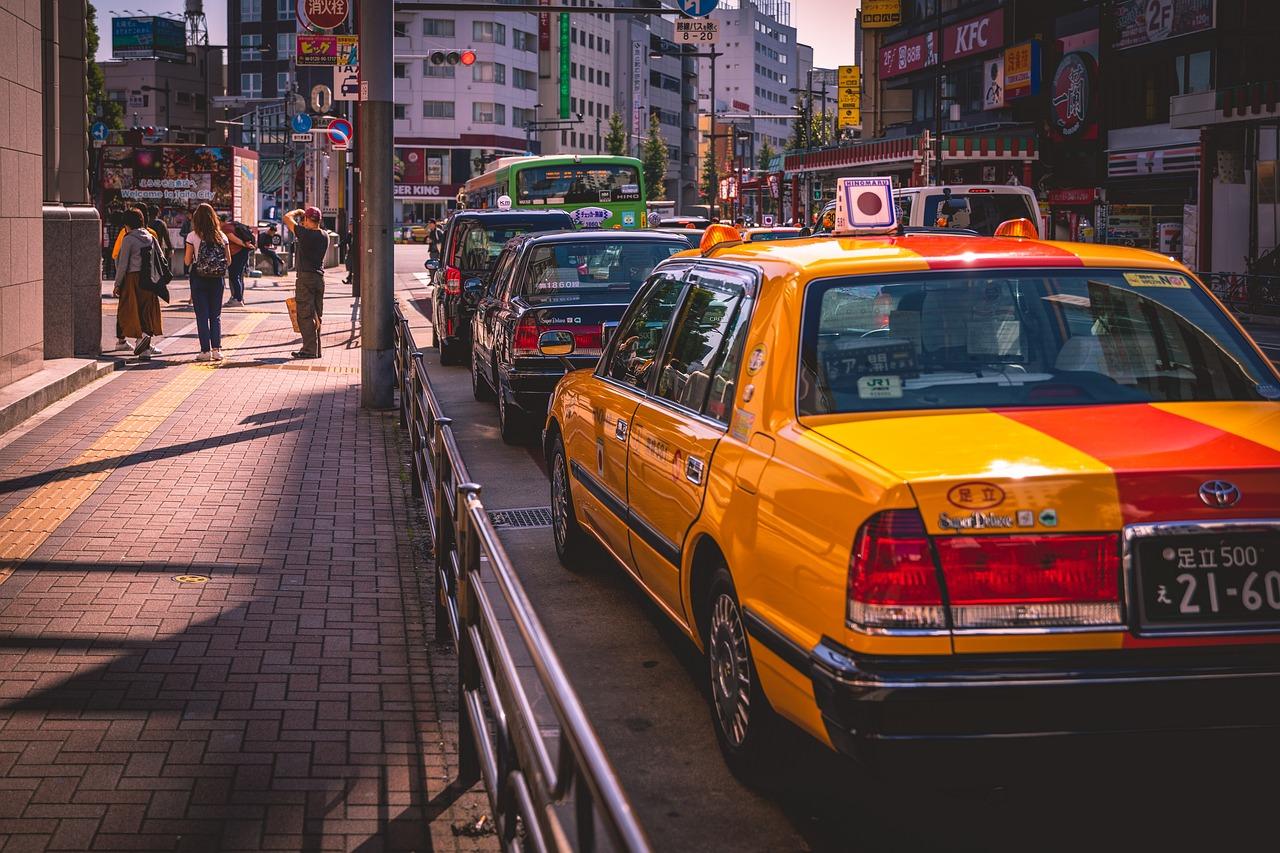
For some journeys — especially across unfamiliar areas, or when you are tired — a Universal Design (UD) taxi is a better choice than the subway. UD taxis have higher roofs, ramps, handrails and sliding doors, and charge the same fares as ordinary taxis. In Tokyo's 23 wards, Musashino and Mitaka, you can book one through the Uber Assist app; wheelchairs must be within 120 cm long, 130 cm high and 70 cm wide. Allow an extra 10 to 15 minutes for the ramp to be set up. Standard taxis generally cannot carry passengers who use electric wheelchairs, so a UD taxi or specialist vehicle is needed for those.
Narita Airport lends wheelchairs free at any information counter in its passenger terminals, and Haneda Airport's information counters rent wheelchairs that can be used right up to your seat. For full details on arriving and departing, see our Japan airport assistance guide.
For wheelchair hire during your stay, see our guide to wheelchair hire in Japan, which covers advance booking and what is available on the day at the main sights.
Practical tips before you travel
A few habits make a big difference on the Tokyo subway with a wheelchair. Before you fly, look up the lift routes for the stations on your plan, and save the station maps you will use most so you have them offline. Tokyo's red Help Mark tag signals that the wearer may need help even if it is not visible; it is available from Toei Subway station offices, among other places.
For more on travelling in Japan with a wheelchair, see our accessible Japan holidays page, and our Japan over-70s accessibility guide if your main concern is pace rather than wheelchair access.
Tell us your needs and we will check the details for your dates.
Facts checked by our Japan team on 23 November 2026.
