Tokyo: temples, shrines and when to go
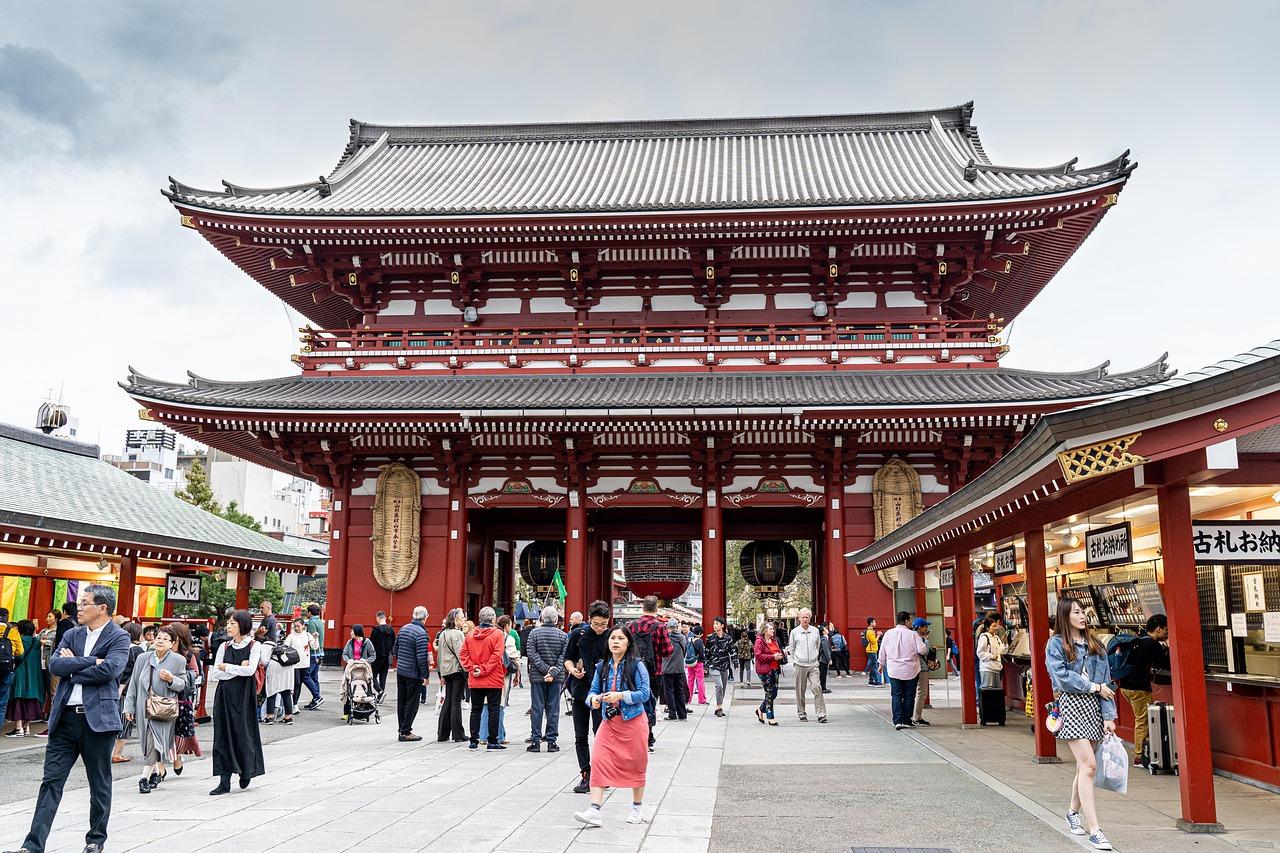
In Tokyo, the walking depends on which sights you choose and when you go. Senso-ji's main hall has a lift built into its left side, signposted with the wheelchair symbol, plus a ramp, though some smaller halls have stairs only. Nakamise-dori, the shopping street leading to the temple, is narrow and slow-moving with crowds; weekends are busier and 1 to 15 January is the most crowded time.
Meiji Jingu's approach is a 700-metre path of fine gravel, with paved strips on either side, and the gate and shrine building both have ramps. Between sights, the Tokyo subway has a lift route at effectively every station; see our Tokyo subway with a wheelchair guide.
Public benches are uncommon in Tokyo, so cafés and convenience stores are the usual places to sit down and rest between sights.
Kyoto: how far at each sight
Kyoto is older and hillier than Tokyo. The City of Kyoto's universal tourism route describes the Arashiyama bamboo grove path as a long, gently sloping lane; our guide to Arashiyama with limited mobility has more.
Kinkaku-ji (the Golden Pavilion) has a gently sloping road leading in and a path to the pavilion over gravel on firm ground. Wheelchair users can view the pavilion and the rear garden, though steps block much of the wider garden. Kinkaku-ji with limited mobility has the full detail.
Kiyomizu-dera sits up a fairly steep hill from the bus stop, at least a ten-minute walk, but taxis can drop passengers at the top. The temple has a step-free route to the Main Hall along the left of the normal route. See Kiyomizu-dera with limited mobility.
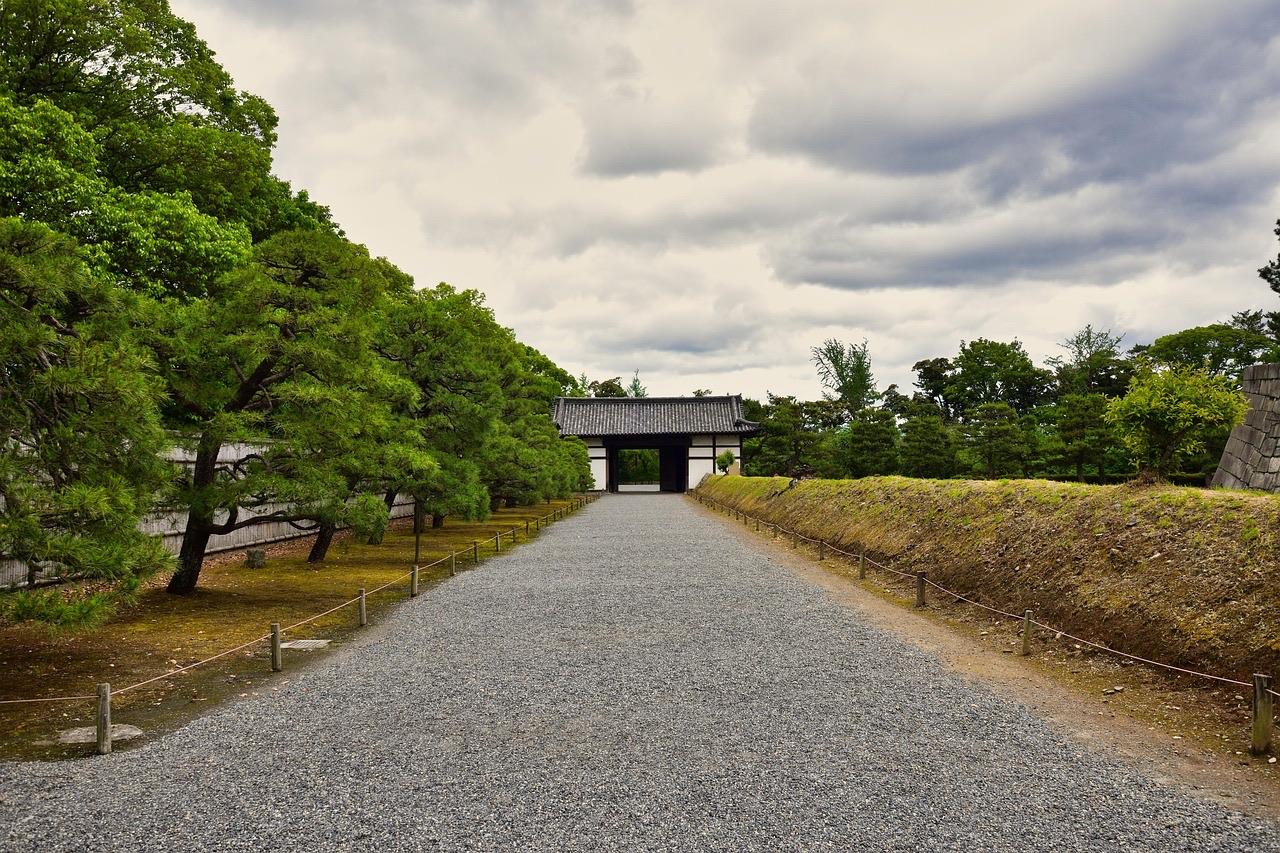
Nijo Castle's paths are mostly gravel past the main gate, which makes a manual wheelchair hard to push; the castle lends power-assisted wheelchairs free at its General Information Desk. The Ninomaru Palace and garden take 1 to 1.5 hours, and adding the Honmaru area makes it 2.5 to 3 hours. See Nijo Castle with limited mobility.
Hakone, Nara and beyond
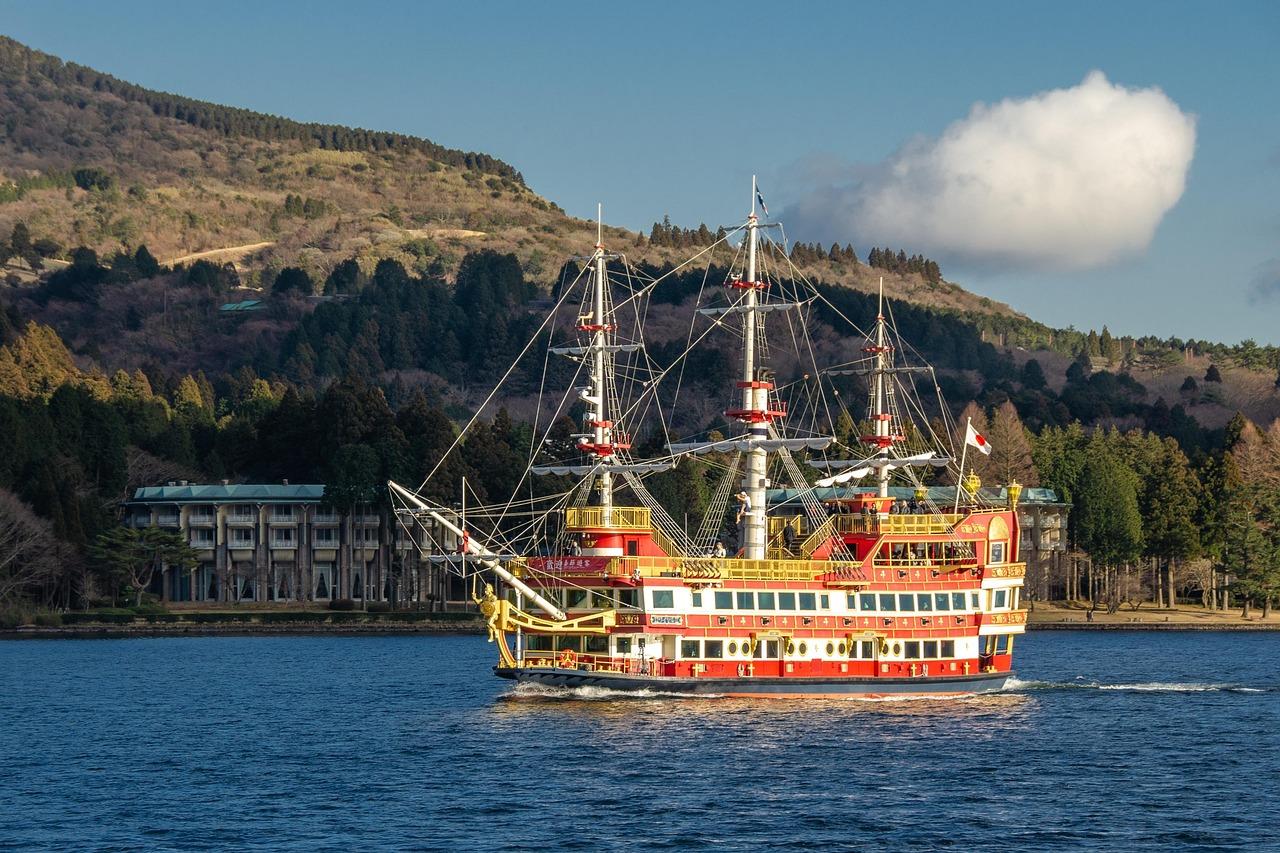
Hakone is usually seen on a round course of train, cable car, ropeway and boat rather than on foot. Wheelchair users can ride the Hakone Ropeway in their own wheelchair and board all three Lake Ashi sightseeing ships, which have accessible toilets, and each port lends one wheelchair free. Many roads around Hakone are very steep, so straying from the round course can be hard going. See Hakone with limited mobility.
In Nara, wheelchair users enter Todai-ji's Great Buddha Hall by a slope to the left of the front entrance, and wheelchairs can be borrowed from the security office in front of the central gate. See Nara with limited mobility.
Shirakawa-go, the World Heritage village on our Japan Grand Tour, is explored on foot, as there is no sightseeing bus in the village. From the bus terminal, Wada House is about three minutes' walk and the Heritage Museum about fifteen. Free loan wheelchairs are kept at the bus terminal and the Seseragi car park, though the service is suspended in winter, and a shuttle bus to the viewpoint saves the 15 to 20-minute trail.
Planning a day around your walking limit
A simple rule is one main sight per half-day, with a rest before the next. Luggage forwarding (takkyubin) means you travel between cities with just a small bag: your case goes ahead, usually arriving the next day, and you can send it from hotel reception, most convenience stores and luggage counters at major stations. See our guide to luggage forwarding in Japan.
Where the classic approach is long there is often a shorter one. The traditional approach to Okunoin at Koyasan runs almost 2 kilometres from Ichinohashi Bridge, but most visitors use the route from Okunoin-mae bus stop, which is just under 1 kilometre, with two or three buses an hour.
For wheelchair users, our accessible Japan holidays page sets out the wider picture. For people who walk but more slowly, our Japan over-70s accessibility guide covers pacing and rest.
The gentler routes, sight by sight
A quick reference for the most-visited stops. Senso-ji main hall: lift and ramp. Meiji Jingu approach: 700 m of fine gravel with paved strips. Kinkaku-ji: gently sloping road in, gravel over firm ground to the pavilion, steps beyond. Kiyomizu-dera: taxi to the top of the hill, then a step-free route to the Main Hall. Arashiyama bamboo grove: a long, gently sloping lane. Fushimi Inari: ramps beside the lower shrine's stairs and a lift behind the main shrine to the start of the torii tunnel during limited daytime hours; the walk to the top and back takes two to three hours, and you can turn back at any point. Nijo Castle: gravel paths, power-assisted wheelchair loans, 1 to 3 hours depending on how much you see. Todai-ji: slope entrance and loan wheelchairs. Hakone: ropeway and sightseeing ships that take wheelchairs. Shirakawa-go: explored on foot, loan wheelchairs outside winter, shuttle bus to the viewpoint.
Our Japan Highlights and Japan Cherry Blossom holidays include several of these stops.
Tell us your needs and we will check the details for your dates.
Facts checked by our Japan team on 23 November 2026.
